Alabama Squirrel Harvest Numbers
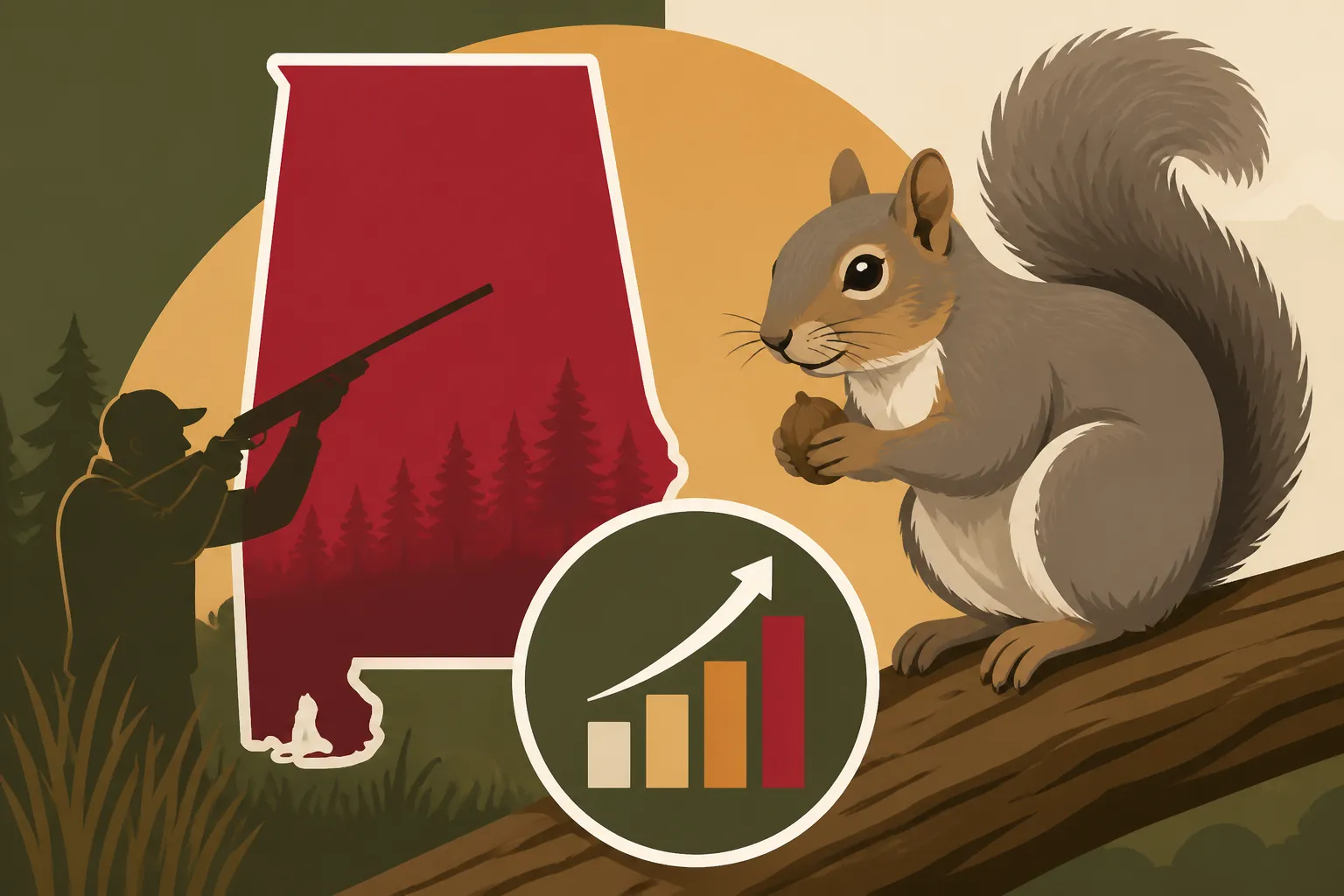
It’s easy to get caught up in the pursuit of Alabama’s bigger game, but anyone who’s spent a crisp fall morning chasing bushy-tails knows the pure joy and challenge that squirrel hunting offers. However, understanding the bigger picture—like how many squirrels are actually harvested each year—can feel a bit opaque. This guide is all about pulling back the curtain on Alabama’s squirrel harvest numbers, helping you understand what they mean for the overall health of our squirrel populations and how that knowledge can make you a more successful, and responsible, small game hunter.
Understanding Alabama's Squirrel Population and Harvest Dynamics
Squirrel hunting holds a special place in the hearts of many Alabamians, often being the first hunting experience for young folks. It's an accessible, fun, and delicious way to get outdoors. But beyond the individual hunt, there's a larger ecosystem at play, and understanding the state's squirrel harvest numbers gives us a peek into that world. These figures aren't just statistics; they're indicators of population health, habitat quality, and even hunting pressure.
When we talk about harvest dynamics, we're looking at more than just how many squirrels ended up in the pot. We're considering the factors that influence those numbers year to year, like weather patterns, mast crop availability, and even broader ecological shifts. For the average hunter, this might seem like big-picture stuff, but knowing these trends can actually inform your scouting and help you find more success in the woods. After all, if the harvest numbers are down in a particular region, it might signal a lean year for acorns, pushing squirrels to different food sources.
Why Harvest Numbers Matter for Hunters
For a dedicated small game hunter, looking at statewide or regional harvest numbers isn't just an academic exercise; it's a practical tool. These numbers can serve as a pulse check on the local squirrel population. If the numbers show a consistent decline over several years in a specific area, it might be a sign of reduced habitat, increased predation, or perhaps even overhunting in localized spots. Conversely, steady or increasing numbers can indicate a healthy, robust population. This insight is invaluable, especially for those who primarily hunt public lands, where conditions can vary widely.
Think about it this way: if you’ve had a few tough seasons in your favorite woodlot, checking the general harvest trends could offer some context. Is it just your luck, or is the overall population experiencing a dip? This information can help you decide whether to adjust your tactics, scout new areas, or simply temper your expectations for the season. It fosters a more informed approach to hunting, moving beyond just guesswork and tapping into a broader understanding of wildlife management. It's about being a more effective hunter, yes, but also a more responsible steward of the resource.
How Alabama Collects Harvest Data
The Alabama Department of Conservation and Natural Resources (ADCNR) employs various methods to gather data on game species, including small game like squirrels. Unlike deer or turkey, which often have mandatory check-in systems (like Alabama's Game Check for deer), squirrel harvest data is typically collected through hunter surveys. This involves surveying a sample of licensed hunters to get estimates on their hunting activity and success rates for various species throughout the season. These surveys are crucial because they provide broad insights into hunter effort, species encountered, and animals harvested.
These methods, while not as precise as individual animal reporting, give wildlife biologists the necessary data to gauge population health, assess the impact of hunting, and make informed management decisions. It’s a huge undertaking, trying to get a snapshot of what millions of squirrels are doing across diverse habitats like Squirrel Hunting Alabama Bottomland Hardwoods or the drier Squirrel Hunting Alabama Hickory Groves. While you might use a tool like GoHunt to track your own individual hunts and scouting efforts, the state is looking at the aggregate, combining thousands of individual experiences into a comprehensive picture of the state's small game resources.
Analyzing Recent Alabama Squirrel Harvest Trends
Squirrel populations in Alabama are generally quite robust, but like any wildlife population, they experience fluctuations. These ups and downs are perfectly normal and are often driven by a variety of environmental factors. For hunters, understanding these trends can be the difference between a successful outing and a quiet day in the woods. It's not about predicting the exact number of squirrels you'll see, but rather about recognizing the patterns that influence their abundance and behavior.
For instance, a year with a bumper crop of acorns in the fall might lead to a higher squirrel population going into winter, as they have abundant food to sustain them and reproduce. Conversely, a poor mast year, especially combined with harsh winter weather, could put a dent in the numbers. These are the kinds of influences reflected in harvest data, even if it's an estimation. By paying attention to these broader trends, hunters can better prepare for the season, perhaps focusing their scouting efforts more intently on areas known for alternative food sources if the primary mast crop has failed.
Factors Influencing Annual Harvests
Several key factors heavily influence the annual squirrel harvest numbers in Alabama. One of the most significant is the availability of mast crops – acorns, hickory nuts, pecans, and other hard fruits that squirrels depend on. A boom-and-bust cycle in mast production is common; a great year for acorns means plenty of food, healthier squirrels, and often higher survival rates for young squirrels, leading to a larger population. A poor mast year, however, means squirrels have to work harder for food, might be less healthy, and fewer young may survive, translating into fewer squirrels available for harvest.
Weather patterns also play a critical role. Mild winters can lead to higher overwinter survival rates, while severe cold snaps can reduce populations, especially if food is scarce. Droughts can impact mast production, and excessive rainfall can hinder nesting success. Beyond environmental factors, hunting pressure itself, while typically not a major concern for squirrel populations due to their high reproductive rates, can influence local numbers, especially on easily accessible public lands. Hunters using tools like GoHunt to scout and locate less-pressured areas might find more success regardless of the broader trends. Understanding these dynamics can guide your scouting efforts, helping you decide where to focus your time based on the preceding year’s conditions and the current mast report. For instance, if you're out Scouting Alabama Public Land Before Season, look for signs of heavy mast production from the previous year.
Interpreting the Data for Your Hunt
So, how do you take these broad harvest numbers and make them work for your individual hunts? First, consider the scale. Statewide numbers are useful for understanding general trends, but regional data, if available, can be even more impactful. If you hunt in North Alabama, for example, look for data specific to that area. The numbers might indicate a generally good or bad year. If it’s a good year, you might expect more abundant squirrels and possibly less pressure from other hunters who aren’t finding success elsewhere.
Second, connect the data to environmental observations. Did we have a good acorn crop last fall? Was it a mild or harsh winter? These observations, combined with harvest data, can help you predict squirrel behavior. In years following a poor mast crop, squirrels might be more concentrated around specific, reliable food sources that did produce, or they might be more nomadic, forcing you to cover more ground. This means techniques like How Early Season Squirrels Give Themselves Away become even more critical, as you need to be observant of subtle signs of activity. The table below illustrates how different factors can influence your hunting strategy:
| Factor | Likely Effect on Squirrel Population | Implication for Hunter Strategy |
|---|---|---|
| Abundant Mast Crop | Higher survival, robust population | Squirrels more dispersed, focus on diverse food sources, less competition |
| Poor Mast Crop | Lower survival, concentrated food | Squirrels concentrated around specific food, active scouting for scarce resources |
| Mild Winter | Higher overwinter survival | Generally good population, potential for early breeding |
| Harsh Winter | Lower overwinter survival | Reduced population, focus on prime habitat for survivors |
| High Hunting Pressure | Localized declines, wary squirrels | Seek out less-pressured areas, early morning hunts, patient stalking |
| Low Hunting Pressure | More active, less wary squirrels | More visible squirrels, easier to locate and harvest |
Ultimately, while statistics provide a baseline, successful hunting still relies on keen observation and adaptability in the field. Tools like GoHunt can help you mark these observations and track your success over time, building your own localized data set.
Regional Differences and Long-Term Outlook for Alabama Squirrel Hunting
Alabama is a wonderfully diverse state, and its diverse ecosystems mean that squirrel populations and hunting experiences can vary quite a bit from one region to another. What holds true for the piney woods of South Alabama might not be the case for the hardwood bottoms of North Alabama. This regional nuance is crucial for hunters who want to maximize their time afield and understand the specific challenges and opportunities in their chosen hunting grounds.
For example, the deep river bottoms, like those found in areas similar to Squirrel Hunting Alabama Bottomland Hardwoods, often provide different food sources and habitat structures than the mixed pine-hardwood ridges of the Piedmont. These differences directly impact squirrel density and behavior. Similarly, habitat management practices, such as prescribed burns or timber harvests, can create specific conditions that either benefit or temporarily displace squirrel populations. This regional variability means that a "one-size-fits-all" approach to squirrel hunting or interpreting harvest data often falls short.
Geographic Variations in Harvest
When we dig into harvest data, we often see that certain regions consistently report higher numbers or different success rates. The rich, diverse hardwood forests of North Alabama, with their abundant mast production from oak and hickory trees, can often support denser squirrel populations compared to some of the more intensely managed pine plantations found in other parts of the state. These differences are reflected in hunter success. A hunter exploring the extensive public lands in regions like the William B. Bankhead National Forest might find a different squirrel population dynamic than someone hunting closer to the Tennessee River.
Conversely, some areas might have lower overall squirrel densities but offer higher-quality hunting due to less pressure or more focused habitat management. For instance, private lands managed for timber, if they include mature hardwoods or specific food plots, can also be squirrel havens. Understanding these geographic variations means doing a little homework on the specific area you plan to hunt, whether it's by scouting in person or using detailed mapping apps like GoHunt to analyze forest types and potential food sources. Recognizing these differences helps hunters set realistic expectations and adapt their tactics to the local environment.
Conservation and Future of Squirrel Hunting
The future of squirrel hunting in Alabama looks bright, largely due to the species' adaptability, high reproductive rate, and the robust efforts of wildlife management. Squirrels are generally not considered a species of concern in the same way as, say, Why Black Bear Is a Species of Highest Concern in Alabama, but sustained conservation efforts are still vital. These efforts focus heavily on habitat preservation and management, ensuring there are ample hardwood forests and diverse food sources for squirrels to thrive. This includes promoting healthy forest ecosystems, which benefits not only squirrels but a host of other wildlife.
For hunters, being part of this conservation picture means adhering to regulations like Alabama Squirrel Daily Bag Limit and season dates, and practicing ethical hunting. It also means appreciating the role of diverse habitat types, from the expansive river swamps of the Mobile-Tensaw Delta to the mature timber on the ridges. By understanding that our actions today impact tomorrow's populations, we ensure that future generations will also have the opportunity to enjoy the timeless tradition of squirrel hunting in Alabama. It's about ensuring a sustainable yield, allowing populations to rebound and flourish year after year.
Alabama’s squirrel harvest numbers, though often estimated through surveys, offer a valuable snapshot into the health and trends of our cherished bushy-tail populations. They provide context for your own experiences in the field, guiding your scouting, tactics, and overall approach to small game hunting. By understanding these broader patterns and connecting them with local conditions and observations—perhaps even noting them on your GoHunt app—you can become a more effective and responsible hunter. Ultimately, a keen awareness of these numbers underscores the importance of habitat, responsible hunting practices, and the rich tradition of chasing squirrels in the Yellowhammer State. From Alabama Squirrel Season Opening Day all the way through the later months, every outing is a chance to connect with nature and become a more knowledgeable outdoors person.
Disclaimer
This article is for general informational purposes only and does not constitute professional advice. Laws, prices and regulations vary by location and change over time. Consult a qualified professional for guidance on your specific situation.