How Many Deer Have Tested CWD-Positive Since 2022
The arrival of Chronic Wasting Disease (CWD) in Alabama has been a real gut punch for hunters across the state, bringing with it a wave of uncertainty and frustration. We're all left wondering just how widespread this disease truly is and what it means for the future of our deer hunting traditions. This guide aims to shed light on the CWD cases detected in Alabama since 2022, helping you understand the numbers, the impact, and what you can do as a responsible hunter.
Understanding CWD and Its Arrival in Alabama
When we talk about CWD, it’s not just some abstract scientific term; it’s a real threat that has changed how many of us approach deer hunting. For years, we heard about it in other states, hoping it would never reach our rich Alabama deer herds. But now it's here, and understanding it is the first step to facing it.
What is Chronic Wasting Disease?
Chronic Wasting Disease is a nasty neurological disease that affects cervids – that's deer, elk, and moose. It's caused by abnormal proteins called prions, which slowly attack the animal's brain. Imagine a deer slowly losing its ability to function, becoming emaciated, disoriented, and eventually dying. It’s often called "zombie deer disease" because of the vacant stare and abnormal behavior it can cause in the final stages. There’s no vaccine, no cure, and it’s always fatal. The prions are incredibly resilient and can persist in the environment for years, making eradication incredibly difficult.
The way CWD spreads is particularly concerning. It can be transmitted directly from animal to animal through contact with saliva, urine, and feces. But here's the kicker: it can also spread indirectly through contaminated soil and plants. If an infected deer walks through an area, dropping bodily fluids, those prions can stick around, potentially infecting other deer that browse or graze there. This environmental persistence means even if all infected deer were somehow removed, the ground could remain a source of infection for new deer moving into the area. This is why it’s not just about managing individual sick animals; it’s about managing the entire landscape and the long-term health of the herd. The prospect of CWD impacting the overall health and population numbers of our beloved white-tailed deer is a heavy burden on the minds of every Alabama hunter.
How CWD Reached Northwest Alabama
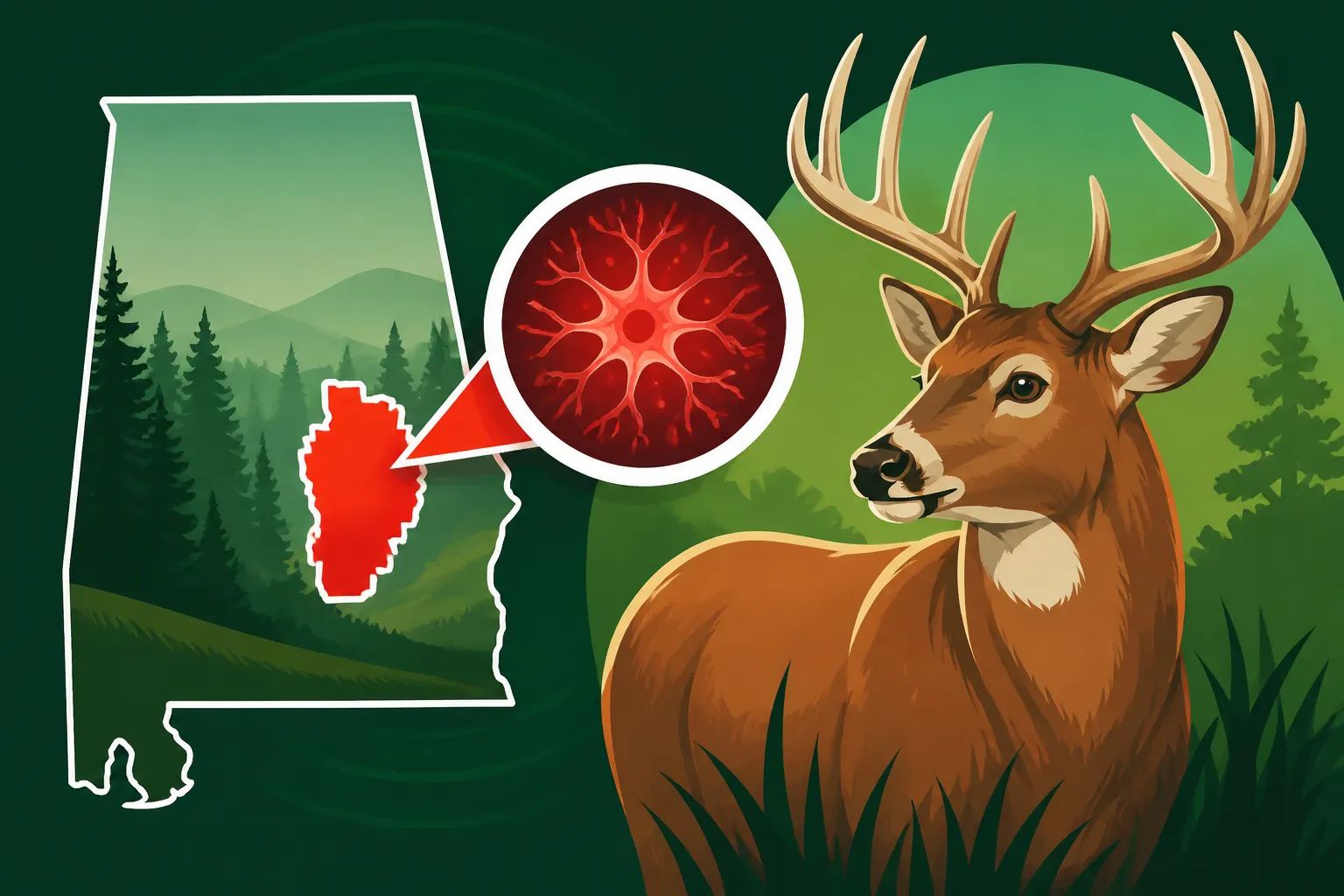
The initial discovery of CWD in Alabama was a moment many of us dreaded. The first confirmed case was detected in Lauderdale County, specifically near the Tennessee border. This isn't surprising when you consider how diseases can spread across state lines. Deer don't recognize our invisible borders, and if CWD is present in a neighboring state's deer population, there's always a risk of it eventually making its way to us. For Alabama, that risk became a reality. The most likely pathway for its introduction was the natural movement of deer from an infected area in Tennessee, directly into our northern counties.
The initial cases quickly established a Chronic Wasting Disease Management Zone (CMZ) in northwest Alabama, encompassing Lauderdale and parts of Colbert and Franklin counties. This region, with its mix of rolling hills, agricultural fields, and river bottoms, provides ample habitat for deer, allowing them to move freely. Unfortunately, this also makes it prime territory for disease transmission once CWD has a foothold. The concern immediately became about how quickly it might spread from this initial cluster, and what steps could be taken to contain it. The geographic characteristics of the area, combined with the normal movements of deer, presented a significant challenge for wildlife managers trying to prevent wider dissemination.
Alabama's CWD Case Count Since 2022: The Stark Reality
When the first CWD case was confirmed in Alabama, it was a wake-up call. But the real challenge has been dealing with the aftermath and understanding the ongoing spread. Since 2022, we've seen a steady, albeit disheartening, increase in confirmed positive cases within the designated CWD Management Zone.
Tracking the Numbers: A County-by-County Breakdown
Since 2022, Alabama's CWD case count has unfortunately climbed from a handful of initial detections to a more significant, and worrying, number. The vast majority of these cases have been concentrated in Lauderdale County, which sits right on the state line and was the site of the first confirmed positive. Initially, there might have been just one or two deer, but over time, through intensified surveillance and mandatory testing weekends, that number has grown. It’s not about an explosion of cases overnight, but a concerning pattern of new positives emerging each season, indicating the disease is established and present within the local herd.
While Lauderdale County remains the epicenter, cases have also been detected in adjacent counties like Colbert and Franklin, albeit in smaller numbers. These counties are part of the larger CWD Management Zone (CMZ), and finding positives here confirms what biologists feared: the disease is spreading, even if slowly, beyond the immediate point of origin. The Alabama Department of Conservation and Natural Resources (ADCNR) has implemented mandatory testing weekends within the CMZ, particularly in the High-Risk Zone inside the CMZ, where hunters are required to submit their harvested deer for testing. This intensive surveillance is how new positives are identified, giving us a clearer picture of the disease's prevalence. This approach is critical, as it provides the data necessary to monitor the spread and adapt management strategies. Every time a new positive is found, it reinforces the need for continued vigilance and hunter cooperation.
Why the Newest CWD Cases Worry Biologists
The ongoing detection of new CWD cases, even if incremental, continues to be a major concern for Alabama's wildlife biologists. It's not just the sheer number of positives, but what those numbers represent about the disease's entrenchment. When new cases are found in areas adjacent to the initial detection site, it indicates a slow but persistent geographic spread. Even more concerning is when higher prevalence rates are found within the core High-Risk Zone, suggesting the disease is becoming more established within the local deer population, rather than being an isolated incident. This makes containment exponentially more difficult.
Biologists worry that as the prevalence of CWD increases, it could begin to have noticeable impacts on deer herd health and population dynamics. While Alabama's deer herd has been robust for decades, a widespread, chronic disease could weaken the herd over time, potentially leading to fewer deer, reduced antler quality, and a general decline in the overall health of the animals. Furthermore, the resilience of the CWD prions in the environment means that even if aggressive management strategies are implemented, reversing the trend is a long and arduous process, potentially spanning decades. The long-term outlook for deer management in these affected areas becomes incredibly challenging, requiring ongoing commitment from both wildlife agencies and the hunting community to mitigate its effects.
Navigating Hunting in the CWD Management Zone
Hunting in the CWD Management Zone (CMZ) is different from hunting anywhere else in Alabama. The rules are stricter, and for good reason: everything is geared towards containing the spread of this devastating disease. It’s a learning curve for all of us, but our cooperation is essential.
Mandatory Testing and Carcass Movement Restrictions
If you plan to hunt within the CWD Management Zone, especially in the High-Risk Zone within the CMZ, you need to be acutely aware of the specific regulations. One of the most important aspects is the mandatory testing weekends. During these periods, all harvested deer must be submitted for CWD sampling at designated drop-off locations. This isn't optional; it's a critical tool for monitoring the disease's prevalence and spread. Hunters are literally on the front lines, helping biologists gather the data they need to understand the scope of the problem. You can find information about specific testing dates and locations on the Outdoor Alabama app or website.
Equally important are the carcass movement restrictions. You absolutely cannot move whole deer carcasses out of the CWD Management Zone. This rule is in place to prevent the physical transport of infected prions to new areas. What does that mean for you? If you harvest a deer in the CMZ, you need to process it within the zone. Only boned-out meat, cleaned skull plates with no brain matter attached, capes, and clean antlers are allowed to leave the zone. This might require some adjustments to your hunting routine, perhaps bringing portable processing equipment or making arrangements with a local processor within the CMZ. These rules are stringent, but they are our best defense against further spread, and understanding them is crucial for every hunter.
Hunter Responsibilities and Best Practices
As hunters, we have a vital role to play in managing CWD, especially those of us who hunt in or near the affected zones. Beyond following the mandatory rules, there are several best practices that can help. First and foremost, always stay informed about the latest regulations and CWD status for your specific hunting area. The situation can evolve, and what was true last season might be different this season. Keep an eye on ADCNR announcements.
When handling any harvested deer, always wear gloves and exercise caution. While there's no evidence of CWD transmission to humans through consumption of venison, health agencies recommend against eating meat from CWD-positive animals. Proper disposal of deer waste is also critical. If you're field dressing a deer in the CMZ, ensure that all parts not taken with you (guts, bones, etc.) remain within the zone. Do not dispose of them in landfills outside the CMZ. Consider using a mapping tool like GoHunt to clearly identify the boundaries of the CMZ and High-Risk Zone on your phone, ensuring you’re always aware of where you are and what regulations apply. This kind of technology can be a real game-changer for staying compliant and making informed decisions in the field.
Protecting Alabama's Deer Herd: What Hunters Can Do
It’s easy to feel helpless in the face of a disease like CWD, but as hunters, we are perhaps the most important allies in the fight to protect Alabama's deer herd. Our actions, both individually and collectively, can make a real difference in preventing further spread and supporting the health of our wildlife.
Preventing the Spread: Simple Steps for Every Hunter
Even if you don't hunt directly in the CWD Management Zone, you have a crucial role in preventing its spread. One of the most impactful things you can do is to avoid baiting and supplemental feeding of deer. While many of us have used feeders for years, congregation of deer at bait sites can significantly increase the chances of CWD transmission between animals, and from the environment, should the disease eventually arrive in your area. This is a tough pill to swallow for some, as it's been a long-standing tradition, but it's a recognized risk factor.
Another key step is to never transport deer carcasses from areas with CWD into unaffected areas. This includes even small parts of a carcass like a skull plate or hide that might still have residual tissue. If you hunt out of state, be absolutely sure you understand and comply with those state’s CWD regulations and any restrictions on bringing deer parts back into Alabama. Clean your hunting equipment, including boots, vehicles, and processing tools, thoroughly after hunting in any potentially affected area. Prions are tough, and even microscopic particles could theoretically hitch a ride. By taking these simple, proactive steps, every hunter becomes a part of the solution, not just a bystander.
Staying Informed and Supporting Research
The CWD situation is dynamic, meaning it’s constantly evolving. The best thing any hunter can do is commit to staying informed. Regularly check the Alabama Department of Conservation and Natural Resources (ADCNR) website and their Outdoor Alabama resources for the latest updates on CWD. They publish maps, regulation changes, and specific testing requirements that are crucial for hunters to know. You can often find press releases and informational videos that break down the science and the state's management strategies.
Beyond just staying informed, supporting CWD research and management efforts is vital. This might mean participating in voluntary sample collection if you hunt outside the mandatory testing zones, or simply making donations to conservation organizations that fund CWD research. These efforts help biologists better understand the disease, develop more effective testing methods, and refine management strategies. Utilizing tools like GoHunt can also help you stay current, as many advanced hunting apps integrate regulatory updates and CWD zone information directly into their mapping layers, making it easier than ever to hunt responsibly. Our collective commitment to vigilance and proactive measures is the strongest defense we have for the future of deer hunting in Alabama.
CWD Regulations for Hunters in Alabama
To help clarify the necessary steps and restrictions, particularly for those hunting within the CWD Management Zone (CMZ), here’s a summary of key regulations:
| Regulation Aspect | Within CWD Management Zone (CMZ) | Outside CWD Management Zone (CMZ) |
|---|---|---|
| Deer Carcass Movement | Only boned-out meat, cleaned skull plates, capes, and clean antlers can leave the zone. All other parts must remain within the CMZ. | No restrictions on carcass movement unless coming from a CWD-positive area in another state. |
| Mandatory CWD Testing | Required for all harvested deer during designated mandatory testing weekends, especially within the High-Risk Zone. | Voluntary submission encouraged, but not mandatory. |
| Baiting/Feeding Restrictions | Often subject to specific restrictions or bans to limit deer congregation and potential CWD spread. Always check current regulations. | General statewide baiting/feeding regulations apply. Check for any local ordinances. |
| Hunter Responsibility | Strict adherence to all CMZ regulations; active participation in monitoring and reporting. | Staying informed; avoiding baiting (recommended); proper carcass disposal if hunting out of state. |
| Disposal of Deer Waste | Must occur within the CMZ or at approved designated sites within the zone. | Field dressing and disposal generally permitted on private land with landowner permission. |
Please remember, these regulations can and do change. Always check the official Alabama Department of Conservation and Natural Resources (ADCNR) website or the Outdoor Alabama app for the most current information before you head into the field.
Disclaimer
This article is for general informational purposes only and does not constitute professional advice. Laws, prices and regulations vary by location and change over time. Consult a qualified professional for guidance on your specific situation.