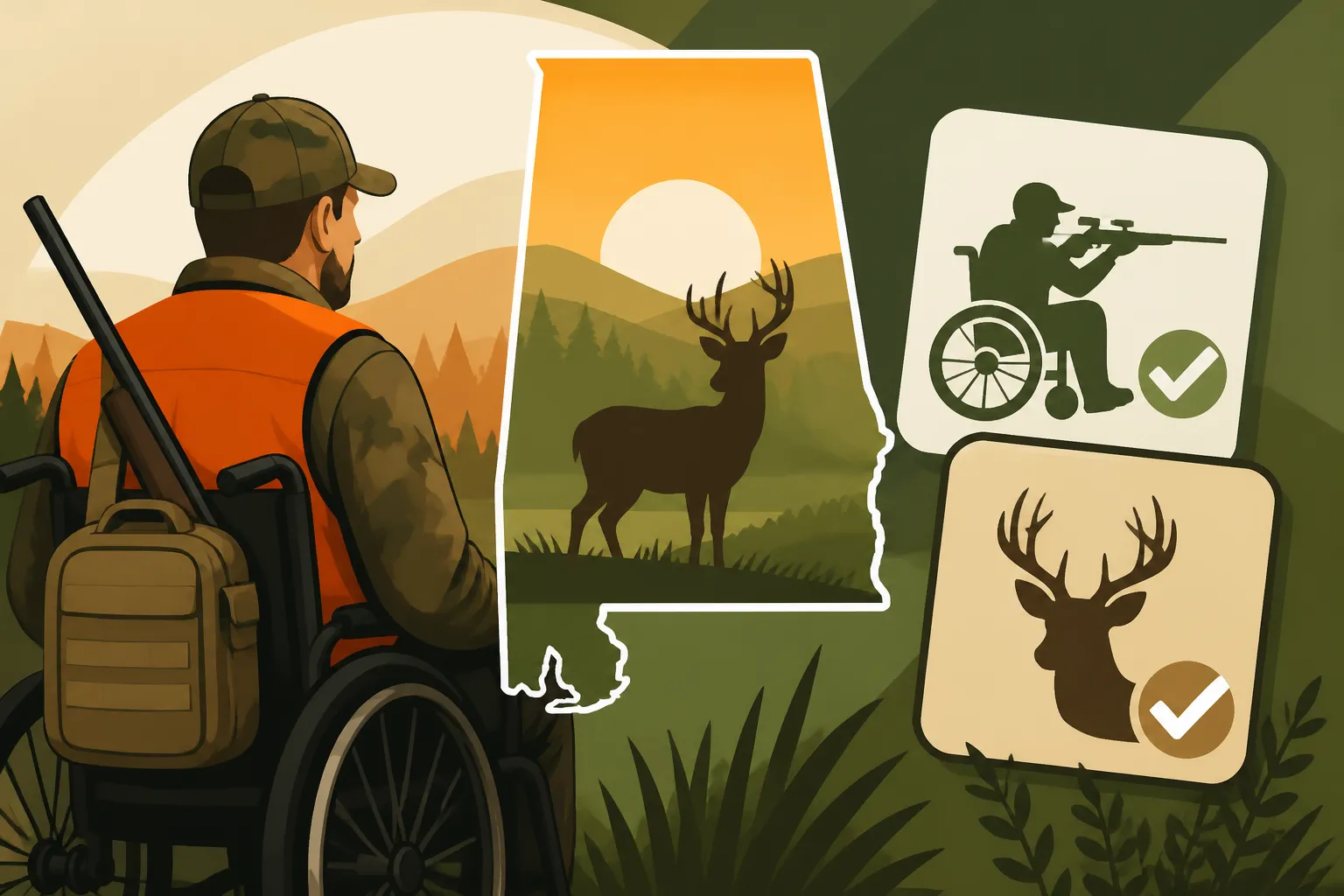
Alabama Disabled Hunter Permit Options
It can be incredibly frustrating when your love for the outdoors and the pursuit of game is met with physical limitations or accessibility challenges. Many dedicated hunters in Alabama face these hurdles, wondering if they can still enjoy the woods and fields they cherish. This guide is here to walk you through the various disabled hunter permit options available in Alabama, ensuring you have the information you need to keep your hunting passion alive and thriving.
Understanding Alabama's Commitment to Accessible Hunting
For many of us, hunting isn't just a hobby; it's a way of life, a connection to nature, and a cherished tradition. When physical disabilities enter the picture, it can feel like that connection is threatened. Alabama understands this deeply. The state's wildlife agencies are actively working to ensure that hunting remains accessible to everyone who wants to participate, recognizing the invaluable contributions disabled hunters make to conservation and the hunting community.
Why Disabled Hunter Permits Matter
The reality for hunters with mobility impairments, vision issues, or other significant disabilities is that traditional hunting methods and access points can be incredibly difficult, if not impossible. Imagine trying to navigate rugged terrain on foot with limited mobility, or hauling gear deep into the woods if you can't carry heavy loads. These permits aren't just bureaucratic checkboxes; they are vital tools that level the playing field, providing necessary accommodations that allow individuals to overcome these physical barriers. They represent a commitment to inclusivity, acknowledging that the passion for hunting transcends physical ability. Without these specific provisions, many would be left on the sidelines, missing out on a deeply fulfilling part of their lives.
The Role of Alabama Wildlife and Freshwater Fisheries
The Alabama Department of Conservation and Natural Resources (ADCNR), specifically the Wildlife and Freshwater Fisheries Division, is the driving force behind these accessibility initiatives. Their job isn't just to manage game; it's also to manage opportunity. They work diligently to identify the specific needs of disabled hunters and to craft regulations and permit structures that address those needs responsibly, while still upholding sound wildlife management principles. This involves constant evaluation, feedback from the community, and sometimes, adjusting rules to make public lands more inclusive. They're the ones who oversee the application process, review medical documentation, and ultimately issue the permits that grant these crucial accommodations, ensuring fairness and proper verification.
Key Disabled Hunter Permit Options in Alabama
Alabama offers several specific permit and license options designed to assist hunters with disabilities. Navigating these can sometimes feel like a puzzle, but understanding each one's purpose and requirements is the first step toward reclaiming your hunting freedom.
Special Permit for Mobility-Impaired Hunters Class 257
This is one of the most significant permits for those facing mobility challenges. The Class 257 Special Permit for Mobility-Impaired Hunters allows individuals to hunt from a standing vehicle, or a non-moving vehicle, or use an all-terrain vehicle (ATV) or other off-road vehicle on designated public hunting areas where such use would otherwise be prohibited. This is huge for hunters who can't walk long distances or traverse difficult terrain. Imagine being able to access a secluded food plot or a dense thicket simply because this permit allows you to get closer in your vehicle.
To qualify, you typically need to demonstrate a permanent physical disability that severely impairs your mobility. This isn't just for temporary injuries; it's for long-term conditions. It means you can't move through typical hunting environments without substantial difficulty, even with assistive devices. The permit provides critical flexibility, enabling you to participate in hunts that would otherwise be out of reach. For specific details on where these permits are valid on public lands, you might check resources like the Outdoor Alabama app or specialized hunting platforms such as GoHunt, which often have detailed mapping overlays indicating accessible areas or vehicle regulations.
All-Terrain Vehicle ATV Use Permits on Public Lands
Beyond the general Class 257 permit, there are specific considerations for ATV use. While the Class 257 generally authorizes ATV use on designated areas for mobility-impaired hunters, it's important to understand the nuances. Not all public lands are created equal, and even with a permit, there might be specific trails or sections where ATV use is still restricted due to environmental concerns, sensitive habitats, or sheer logistics.
The ADCNR carefully designates certain roads and trails on Wildlife Management Areas (WMAs) and National Forests as accessible for permit holders. These routes are usually marked, and it's your responsibility to know where you can and cannot go. Misuse can lead to fines and permit revocation, which is the last thing anyone wants. Always consult the specific WMA regulations or National Forest rules before heading out, even with your permit in hand. Information about specific ATV rules on Alabama forest roads can be found on the ADCNR website or WMA kiosks. Knowing these local rules is paramount for a legal and enjoyable hunt.
Permanently Disabled Hunting and Fishing Licenses
Separate from the special permits for mobility, Alabama also offers discounted or specific licenses for residents with a permanent disability. These licenses simplify the overall process by providing a combined hunting and fishing privilege at a reduced cost. It's not about specific hunting methods like vehicle use, but rather about acknowledging the general financial and practical burden that permanent disabilities can impose.
Eligibility for these licenses typically requires proof of 100% permanent disability or similar criteria as defined by state law, often involving documentation from the Social Security Administration or the Veterans Administration. These are typically resident-only licenses. They streamline the process, so you're not having to purchase multiple tags or worry about various fee structures. It's a way of saying, "You're a lifelong member of our outdoor community, and we want to make it easier for you to participate." For detailed information on these, including costs and specific eligibility, you'll want to refer to the official Alabama hunting licenses and what they cost section on the Outdoor Alabama website, or explore your Alabama resident hunting license options.
Navigating the Application Process for Disabled Hunter Permits
Applying for any permit can feel like a maze of paperwork, but with disabled hunter permits, it’s even more critical to get it right. These aren't just forms; they're your gateway to the woods.
Gathering Necessary Documentation
The key to a smooth application process is having all your ducks in a row. For the Class 257 mobility-impaired permit, you'll definitely need a completed application form, usually available on the Outdoor Alabama website. Crucially, you’ll need medical certification from a licensed physician. This isn't a casual note; it's a detailed statement from your doctor describing your permanent physical disability and how it specifically impairs your mobility to the extent that it would prohibit you from participating in traditional hunting methods without the accommodations provided by the permit.
You'll also need proof of Alabama residency, like a driver's license, and potentially other identification. For the permanently disabled hunting and fishing licenses, you'll need official documentation of your disability status, such as a letter from the Social Security Administration verifying 100% permanent disability or similar proof from the VA for veterans. Don't skip any steps here; incomplete applications are the most common reason for delays or rejections. Double-check everything before submission.
The Application Process: Step-by-Step
Once you have your documentation, you have a few ways to apply. The most common and often easiest method is through the Outdoor Alabama website. They typically have an online portal where you can fill out forms, upload scanned documents, and pay any associated fees. This is generally the quickest way to get things moving.
Alternatively, you can print the application forms, fill them out manually, attach copies of your supporting documents, and mail them to the ADCNR licensing division. Some regional ADCNR offices might also offer in-person assistance, which can be helpful if you have specific questions or need clarification on your medical documentation. Keep copies of everything you submit for your records. Platforms like GoHunt can be useful here too, as they often provide handy links to official state resources and regulations, streamlining your search for the correct forms and contact information.
| Permit Type | Eligibility | Key Allowances | Application Method |
|---|---|---|---|
| Class 257 Mobility-Impaired | Permanent physical disability severely impairing mobility (doctor's cert.) | Hunt from stationary/non-moving vehicle; ATV use on designated public lands. | Online via Outdoor Alabama, Mail, or (potentially) in-person at ADCNR offices. |
| Permanently Disabled License | 100% permanent disability (e.g., SSA, VA documentation) | Discounted annual hunting & fishing privileges for residents. | Online via Outdoor Alabama, Mail, Phone, or (potentially) in-person at license vendors/ADCNR offices. |
| ATV Use Permit (within Class 257) | Class 257 permit holder | Specific use of ATVs on designated routes/areas within WMAs & National Forests. | Included with Class 257 application, but always check WMA-specific rules. |
Important Considerations and Renewal
These permits and licenses aren't always a one-and-done deal. The Class 257 permit, for instance, might be issued for a specific period and require renewal, or at least periodic re-verification of your disability status. Permanently disabled hunting and fishing licenses typically need to be renewed annually, though the eligibility itself generally doesn't change once verified. Always pay attention to the expiration dates on your documents and set reminders.
The last thing you want is to be out in the field, only to realize your permit has lapsed. Staying compliant is key. Also, remember that these permits grant privileges, not carte blanche. You are still subject to all other Alabama hunting regulations, including bag limits, season dates, and legal hunting hours. Having a special permit doesn't exempt you from ethical hunting practices or adherence to the law.
Maximizing Your Hunting Experience as a Disabled Hunter in Alabama
Getting the permit is just the first step. The real goal is to get out there and enjoy the hunt. Alabama offers a wealth of opportunities, and with the right approach, your disability doesn't have to define your success.
Common Challenges and Solutions for Disabled Hunters
One of the biggest challenges for mobility-impaired hunters is simply finding suitable terrain and accessible hunting spots. While public lands may have designated trails for ATV use, scouting is still vital. Looking for areas with gentler slopes, established logging roads, or clear-cuts can make a huge difference. Consider using a ground blind on Alabama public land, especially in flatter areas or near field edges, as they provide comfortable, concealed cover without the need to climb a tree stand.
Another hurdle can be specialized equipment. Beyond ATVs, many disabled hunters benefit from adaptive gear like shooting rests, specialized seating, or even electronic game calls that can be operated remotely. The hunting community is incredibly innovative, and a quick search online can reveal a wealth of resources and products designed to assist. Don't be afraid to experiment and find what works best for you. Don't underestimate the mental game either; frustration can set in, but remember why you're out there.
Using Technology for Accessible Hunting
Technology has become an indispensable tool for all hunters, but especially for those with disabilities. Mapping applications like GoHunt offer incredibly detailed aerial imagery, topographical maps, and public land overlays. You can use these to scout from home, identifying potential access points, designating trails, and marking promising hunting spots long before you ever set foot (or tire) on the property. This kind of pre-hunt preparation is invaluable for optimizing your efforts and conserving energy.
Beyond mapping, trail cameras can provide real-time intelligence on game movement without requiring frequent trips into the woods. Rangefinders with advanced angle compensation can help ensure accurate shots from a seated position. Even simple two-way radios or satellite communicators can offer peace of mind and enhance safety when hunting alone, especially in areas with spotty cell service. Embracing these tools can truly transform your hunting experience, making it more efficient, safer, and ultimately, more successful. This includes using resources like the Scouting With the Outdoor Alabama App to learn about potential hunting areas before you even leave home. When it comes to hunting pressure on Alabama public land, these tools can also help you find ground others walk past, giving you an edge.
Frequently Asked Questions About Alabama's Disabled Hunter Permits
It's natural to have questions when navigating something as important as hunting permits, especially when specific accommodations are involved. Let's tackle some common concerns that come up for disabled hunters in Alabama.
Understanding Permit Limitations and Boundaries
While these permits open up incredible opportunities, it's vital to remember that they do come with boundaries. For example, while the Class 257 permit allows ATV use on designated public lands, it doesn't mean you can drive anywhere you please. You must adhere to marked trails and areas explicitly open to permit holders. This is critical for both safety and conservation. Driving off-trail can damage sensitive ecosystems and lead to citations, potentially jeopardizing your permit. Always check the specific WMA or National Forest rules, as these can vary. A good rule of thumb is: if it's not clearly marked as open for permit-holders, assume it's closed.
Another common question relates to hunting from a vehicle. The Class 257 permits hunting from a stationary or non-moving vehicle. This means you can drive to a spot, park, and then hunt from that position. It does not permit hunting from a moving vehicle, which is a significant distinction and a safety concern. Always ensure your vehicle is completely stopped and, ideally, out of gear with the engine off when actively hunting.
Combining Permits and Licenses
Many disabled hunters find themselves needing more than one type of license or permit. Yes, you can absolutely combine them. For instance, a resident with a 100% permanent disability would likely purchase the Permanently Disabled Hunting and Fishing License, and if they also have a severe mobility impairment, they would also apply for the Class 257 Special Permit for Mobility-Impaired Hunters. These complement each other, with one addressing general licensing and the other addressing specific method-of-take or access accommodations. It's about building a comprehensive set of legal documents that allow you to hunt safely and legally within your capabilities. Always carry all relevant licenses and permits with you while afield.
What to Do If Denied a Permit
It can be disheartening to have a permit application denied, but it's not always the end of the road. If your application for a disabled hunter permit is denied, the first step is to understand why. The ADCNR should provide a reason for the denial. Common reasons include incomplete documentation, insufficient medical evidence of a permanent disability, or an error in the application.
Once you know the reason, you can often address it. If it's a documentation issue, gather the missing information or get a more thorough medical statement from your doctor. If you believe the denial was an error, you may have grounds for an appeal. Contact the ADCNR licensing division directly to discuss the specific circumstances of your denial and inquire about their appeals process. Be polite, persistent, and prepared to provide any additional information they request. Seeking guidance from local disability advocacy groups or experienced hunting mentors might also offer valuable insights and support.
Disclaimer
The information provided in this guide is for general informational purposes only and does not constitute legal advice. Hunting regulations, permit requirements, and eligibility criteria can change. Always consult the official Alabama Department of Conservation and Natural Resources (ADCNR) website, current hunting regulations, or contact the ADCNR directly for the most accurate and up-to-date information before planning any hunting activity.