Finding Which Zone Your Alabama County Sits In
It can feel like navigating a maze trying to figure out the exact hunting regulations for your specific neck of the woods in Alabama. One of the biggest head-scratchers for hunters, especially those new to a county or just starting out, is pinpointing which of Alabama's deer zones their hunting location falls into. This guide is here to untangle that confusion, walking you through the ins and outs of Alabama’s deer zones so you can hunt with confidence and stay well within the law.
Why Understanding Alabama's Deer Zones is Crucial
Hunting in Alabama is a rich tradition, deeply tied to the land and its diverse ecosystems. But unlike some states that operate on a single, statewide calendar, Alabama has carved itself into distinct deer zones, each with its own specific rules and seasons. This isn't just about making things complicated; it's a strategic approach by the Alabama Department of Conservation and Natural Resources (ADCNR) to manage the state's white-tailed deer population effectively. Disregarding these zones can lead to anything from missed hunting opportunities to, much worse, unintended violations that carry hefty fines and even license suspension.
Each zone is designed to address local deer herd dynamics, habitat conditions, and even the timing of the rut. For example, deer in the rich agricultural areas of the Black Belt might exhibit different antler growth patterns and breeding schedules compared to those in the mountainous regions up north. Ignoring these nuances means you could be hunting outside the legal season for your area, or harvesting an antlerless deer when it's prohibited, simply because you're applying rules from a different zone. It’s not just about staying legal; it’s about being an informed, ethical hunter who respects the wildlife management efforts that keep Alabama's hunting heritage strong. Understanding these zones is the first step in ensuring a successful and responsible hunt every single time you head afield.
A Deep Dive into Alabama's Five Deer Zones
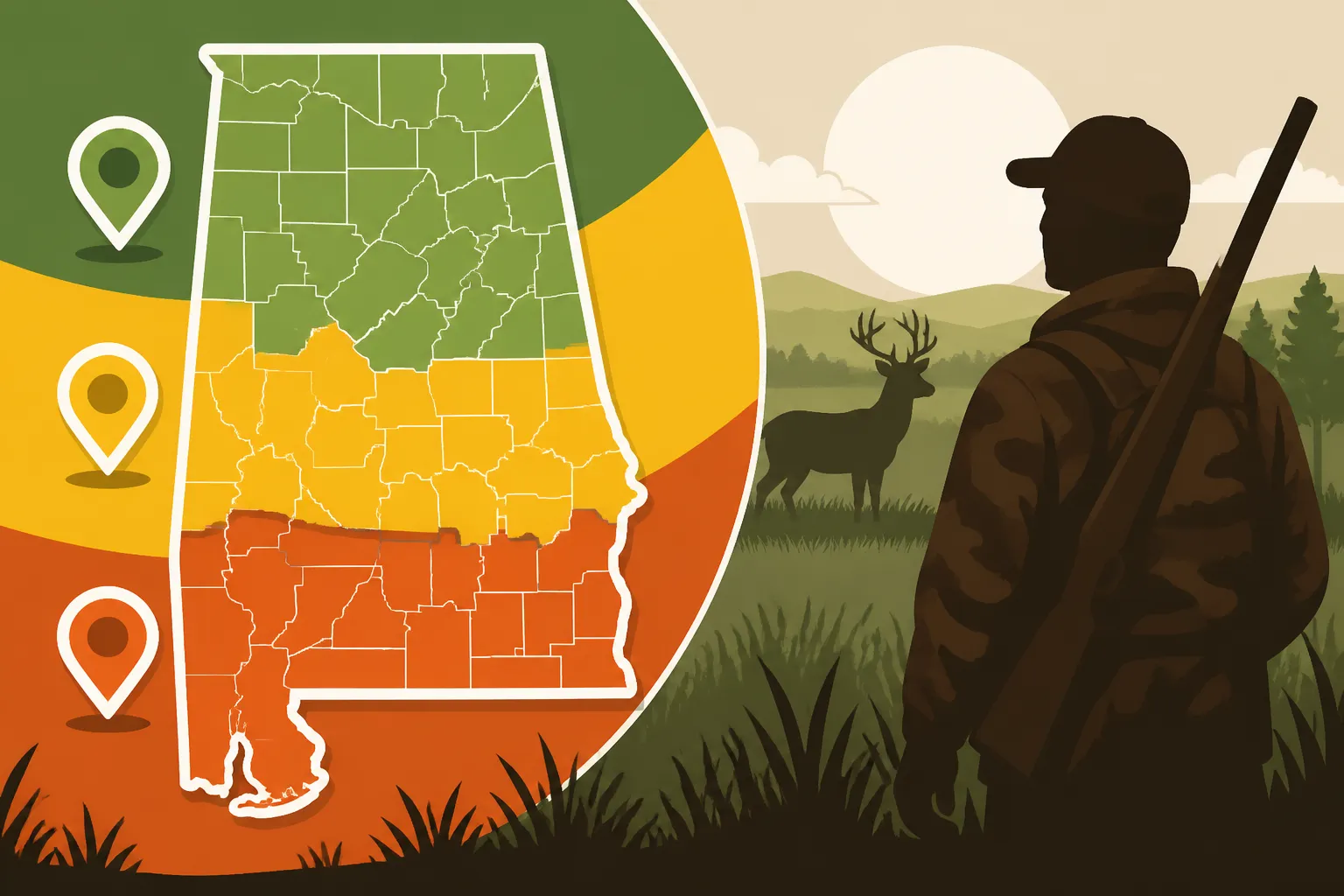
Alabama is primarily divided into five distinct deer zones, labeled A, B, C, D, and E. Each zone represents a particular geographic region with unique characteristics that influence deer management strategies, leading to different season dates and bag limits. Knowing these differences is fundamental to planning your hunt, whether you're targeting early-season bucks or late-season does.
Zone A: The Broad Stroke Across Alabama
Zone A is by far the largest of Alabama's deer zones, encompassing a vast majority of the central, southern, and western counties. This sprawling zone includes much of the famous Alabama Black Belt region, known for its fertile soils and agricultural production, which directly translates into excellent deer habitat and robust deer populations. Because of its size and ecological diversity, Zone A generally boasts a longer deer season compared to some other zones, often featuring earlier opening dates for both archery and gun seasons, and a more generous antlerless harvest structure.
Many hunters flock to areas within Zone A, particularly in counties renowned for producing quality bucks. You'll find a mix of private land, managed timberland, and some public hunting opportunities throughout this zone. The timing of the rut can vary even within Zone A, from late December in some areas to mid-January in others, making scouting critical. If you're hunting in counties like Sumter, Dallas, or Butler, you're likely in Zone A, and it's essential to familiarize yourself with the nuances of its specific season dates and regulations for both antlered and antlerless deer. This zone offers a wide array of hunting experiences, from deep swamp bottoms to open agricultural fields.
Zone B: The Central-Eastern Corridor
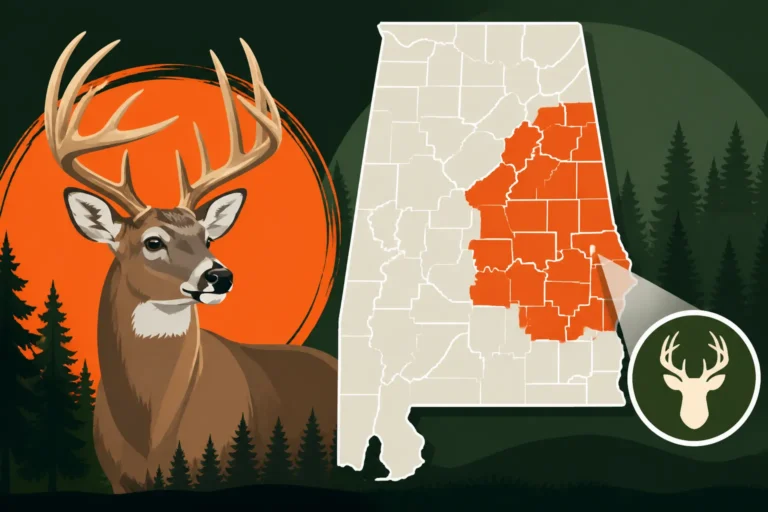
Zone B carves out a smaller, more specific region primarily in the central-eastern part of the state. This zone includes counties such as Calhoun, Cherokee, Cleburne, and St. Clair. Geographically, Zone B often features more rolling hills, mixed pine-hardwood forests, and a less intensive agricultural footprint compared to much of Zone A. The deer management objectives here might focus on slightly different population dynamics due to these habitat variations.
For hunters in Zone B, the season dates typically run slightly shorter than Zone A, especially concerning the length of the either-sex gun season. It's not uncommon for the gun season opener to be a week or two later, and the antlerless opportunities might be more restricted in duration. This difference is a direct result of the ADCNR's efforts to balance harvest pressure with the deer population's reproductive rates and overall health within these specific landscapes. If your hunting grounds are near communities like Anniston or Gadsden, chances are you're operating under Zone B rules, and a close review of the official regulations is always advised to ensure you're compliant.
Zone C: The Northern Plateau
Moving further north, Zone C encompasses a significant portion of North Alabama, including many counties that boast stunning mountain landscapes and plateaus. Counties like Marshall, Madison, Morgan, and Cullman fall within this zone. This region's terrain is often more rugged, characterized by steep ridges, deep hollows, and extensive hardwood forests. The deer herd here faces different challenges and opportunities compared to their southern counterparts, such as colder winters and varying food sources like acorns and browse.
Zone C tends to have later opening dates for both archery and gun seasons compared to Zones A and B. The rationale behind this staggered start is often linked to the later timing of the rut in northern Alabama, as well as considering the specific ecological conditions and deer population density in these more mountainous areas. While still offering excellent hunting, hunters in Zone C will notice that the antlerless limits can be more conservative, especially on public lands. Understanding the specific calendar for Zone C is paramount, particularly if you're accustomed to hunting in more southerly zones, as the season structure can feel quite different. Knowing when to hunt the rut in the Northern Zones is key to success here.
Zone D: The Isolated Pocket of Walker County
Zone D stands out as unique because, for several years, it has comprised only one county: Walker County. Located in the north-central part of the state, Walker County presents a specific deer management scenario that led the ADCNR to designate it as its own zone. This decision is often based on detailed biological data, harvest reporting trends, and localized population assessments that indicate a need for a distinct regulatory framework.
Hunting in Zone D means adhering to a season calendar and bag limits that are tailor-made for Walker County's deer population. While its regulations often align closely with adjacent zones like C, there can be subtle but important differences, particularly in antlerless days or season length. Hunters in Walker County must pay extra close attention to the specific dates published by the ADCNR for Zone D, as they might diverge from surrounding counties. This highlights the importance of not assuming anything when crossing county lines and always verifying your exact location's regulations.
Zone E: The CWD Management Zone in Lauderdale
Zone E is another distinct zone, but for a very critical reason: it is currently designated as the Chronic Wasting Disease (CWD) Management Zone. For the 2023-2024 season, Lauderdale County sits entirely within Zone E. The creation of Zone E is a direct response to the detection of CWD in deer within this area, necessitating intensified monitoring, management, and specific hunting regulations aimed at slowing the spread of this fatal neurological disease.
Hunting in Zone E comes with additional responsibilities and rules beyond standard season dates. These often include mandatory CWD testing weekends, restrictions on carcass movement out of the zone, and potentially modified bag limits to encourage harvest and sampling. The hunting season dates for Zone E might be similar to those of neighboring zones, but the CWD-related regulations are the defining characteristic. For any hunter planning to pursue deer in Lauderdale County or nearby areas, understanding the specific rules for Alabama's Chronic Wasting Disease Management Zone is not just important for compliance, but crucial for helping to protect the health of Alabama's deer herd. Always check the very latest ADCNR updates if you plan to hunt in or near any CWD zone.
Practical Methods for Pinpointing Your County's Deer Zone
Once you understand why these zones exist, the next step is reliably finding out which zone applies to your hunting location. Thankfully, the ADCNR and modern technology have made this process much more straightforward than it used to be.
Using Official Outdoor Alabama Resources
The most reliable source for zone information is, without a doubt, the official Alabama Department of Conservation and Natural Resources (ADCNR). Their website, Outdoor Alabama, is a treasure trove of information.
First, you can always consult the current year's Alabama Hunting and Fishing Digest. This free publication is available online as a PDF and often physically at local sporting goods stores, county probate offices, and ADCNR district offices. It contains maps and lists of counties within each zone.
Second, the Outdoor Alabama mobile app is an incredibly powerful tool for modern hunters. Available for both iOS and Android devices, this app allows you to:
- View Interactive Maps: The app often has layers that display deer zone boundaries directly on a map, showing your current location relative to these zones. This visual confirmation is invaluable.
- Access Regulations on the Go: You can pull up the latest regulations, including season dates and bag limits specific to each zone, right from your phone. This means no more guessing or trying to remember complicated rules when you're already in the field.
- Report Harvests: The app also facilitates the mandatory reporting of deer and turkey harvests through Alabama Deer Reporting Rules, which is another crucial aspect of ethical hunting in the state.
I highly recommend downloading and becoming familiar with the Outdoor Alabama app, as it puts a wealth of critical information right in your pocket. It's designed to make compliance easier and hunting safer.
Leveraging Digital Mapping and Scouting Tools
Beyond the official ADCNR app, many commercial hunting apps and digital mapping platforms have integrated Alabama's deer zone boundaries into their systems. These tools can offer even more detailed terrain features and land ownership information, which, when combined with zone overlays, provides a comprehensive view of your hunting area.
Platforms like GoHunt are fantastic examples. While primarily known for Western hunting, many sophisticated mapping apps provide layers for state-specific regulations, including deer zones, for various states like Alabama. By simply typing in your specific county or dropping a pin on your intended hunting spot, these apps can often tell you not only the deer zone but also display season dates and specific rules relevant to that location. They achieve this by compiling and digitizing the official ADCNR boundary data.
When using any digital mapping tool, always ensure its data is up-to-date with the current hunting season. Most reputable apps like GoHunt regularly update their regulatory layers, but it's good practice to cross-reference with the official Outdoor Alabama resources, especially if there have been recent regulation changes. These digital tools are also incredibly useful for Scouting Alabama Public Land Before Season or even when you're just looking at Reading Aerial Photos for Piedmont Deer, allowing you to see exactly where zone lines fall in relation to potential hunting hotspots.
Consulting Local Experts and Resources
Sometimes, the best information comes from local sources who live and breathe Alabama hunting. While digital tools are fantastic, human interaction can provide context and clarify specifics that maps alone might miss.
Local Game Wardens: These dedicated professionals are the ultimate authority on local regulations. If you have a specific, complex question about a county boundary or a nuance within a zone, contacting your local game warden's office can provide definitive answers. They are often happy to help educate hunters and ensure compliance.
Sporting Goods Stores and Bait Shops: These community hubs are often staffed by seasoned local hunters who are intimately familiar with the areas they serve. They can be a great source of informal information and can usually tell you which zone their county falls into without hesitation. They also often carry the physical copies of the Alabama Hunting and Fishing Digest.
Hunting Clubs and Associations: Joining a local hunting club or connecting with established hunters in your area can also be a valuable resource. Experienced members will know the specific zone rules for their county like the back of their hand and can share insights into how those regulations impact local hunting practices. This can be especially helpful if you're trying to understand the nuances of Alabama Hunting Club Territory Sizes or Alabama Deer Camp Traditions within a particular zone.
Common Misconceptions and Troubleshooting Zone Identification
Even with all the resources available, hunters can sometimes run into confusion when trying to identify their county's deer zone. It's not always as straightforward as it seems on a flat map, and other regulations can occasionally overlay or interact with these zones, leading to mistaken assumptions.
County Lines and Zone Overlaps
One common misconception is assuming that county lines perfectly delineate deer zones. While most zones are defined by groups of counties, there are instances where a specific management objective might cause a zone boundary to bisect a county. While less common for the primary deer zones (A-E), it's a possibility you should always be aware of. For instance, sometimes a major river or highway might form a boundary within a larger geographic area. However, for Alabama's primary deer zones, the ADCNR typically lists entire counties within a zone, simplifying identification. The critical takeaway is to always verify the specific regulations for the county you intend to hunt, rather than just relying on a general regional understanding. If you're hunting near a county line, ensure you know which county you're in at all times.
Distinguishing Deer Zones from CWD Zones
Another significant area of potential confusion arises with the Chronic Wasting Disease (CWD) Management Zone. As we discussed with Zone E (Lauderdale County), CWD zones are management overlays that impose additional, often stricter, rules on top of the standard deer zone regulations. It's vital to understand that a county might be in Deer Zone A, but also partially or entirely within a CWD Management Zone, or a specific High-Risk Zone within the broader CWD Management Zone.
For example, currently, Lauderdale, Colbert, and Franklin counties make up Alabama's CWD Management Zone. While Lauderdale is designated as Deer Zone E, Colbert and Franklin still fall under Deer Zone C. However, all three counties are subject to the specific CWD regulations, such as mandatory testing and carcass movement restrictions. You can learn more about Which Counties Sit in Alabama's CWD Zone to understand these overlaps. Never confuse a CWD zone with a standard deer zone; they serve different purposes and carry different sets of rules. Always consult the latest ADCNR guidelines for both.
The Importance of Double-Checking Information Annually
Hunting regulations, while generally stable, can change from year to year. The ADCNR regularly reviews population data, harvest reports, and scientific research to make adjustments to season dates, bag limits, and even zone boundaries. What was true last year might not be true this year. Relying on outdated information is a surefire way to find yourself in violation.
Therefore, the most critical troubleshooting advice is to always double-check the current year's regulations directly from Outdoor Alabama or the official app before each hunting season. Don't rely on memory, old hunting buddies' advice from years past, or general knowledge gleaned from a casual online search. Take the few minutes to review the official digest and confirm the zone for your specific hunting property or public land area. This proactive approach ensures you're always informed and compliant, helping to preserve both your hunting privileges and Alabama's deer population.
Alabama Deer Zones by County
To make things easier, here's a table listing most of Alabama's counties and their corresponding deer zone designations for the 2023-2024 season. Remember, always verify this information with the official Outdoor Alabama regulations for the current hunting year as zones can occasionally be adjusted.
| Deer Zone | Counties Included (2023-2024 Season) |
|---|---|
| Zone A | Autauga, Barbour, Bibb, Bullock, Butler, Chambers, Chilton, Choctaw, Clarke, Clay, Coffee, Conecuh, Coosa, Covington, Crenshaw, Dallas, Elmore, Escambia, Fayette, Geneva, Greene, Hale, Henry, Houston, Jefferson, Lamar, Lee, Lowndes, Macon, Marengo, Mobile, Monroe, Montgomery, Perry, Pickens, Pike, Randolph, Russell, Shelby, Sumter, Talladega, Tallapoosa, Tuscaloosa, Washington, Wilcox, Winston. |
| Zone B | Baldwin, Calhoun, Cherokee, Cleburne, Etowah, St. Clair. |
| Zone C | Blount, Colbert, Cullman, DeKalb, Franklin, Jackson, Lawrence, Limestone, Madison, Marion, Marshall, Morgan. |
| Zone D | Walker. |
| Zone E | Lauderdale (CWD Management Zone). |
This table serves as a quick reference, but I cannot stress enough the importance of checking the official ADCNR resources for the most up-to-date and legally binding information. By understanding Alabama's Five Deer Zones and using the available tools, you'll be well-equipped to enjoy a responsible and successful deer season in the great state of Alabama. Don't forget that your Alabama Hunting Licenses and What They Cost are also an annual requirement, regardless of which zone you hunt in.
Final Thoughts on Navigating Alabama's Deer Zones
Navigating Alabama's deer zones might seem a little daunting at first, with all the different dates and regulations depending on where you're hunting. But honestly, it's all about responsible wildlife management and making sure our deer herds stay healthy and abundant for generations to come. It’s also about empowering you to be a more informed and successful hunter.
Taking the time to truly understand Comparing Alabama's Five Deer Zone Calendars and which zone your hunting spot falls into is perhaps one of the most important things you can do before the season even begins. Whether you're planning on Hunting the Rut in the Southern Zones in Zone A or adhering to the specific antlerless limits in Zone C, having this foundational knowledge will save you headaches, prevent potential legal issues, and ultimately enhance your hunting experience. So, before you load up the truck or climb into your stand, make sure you know your zone – it's the bedrock of a good hunt in Alabama.
Disclaimer
The information provided in this guide is for general informational purposes only and is subject to change. While efforts have been made to ensure accuracy, hunting regulations can be complex and are regularly updated by the Alabama Department of Conservation and Natural Resources (ADCNR). It is the sole responsibility of each hunter to consult the official ADCNR hunting regulations, laws, and proclamations for the current season before engaging in any hunting activities. Failure to do so may result in legal penalties.