Jump-Shooting Alabama Beaver Ponds for Wood Ducks
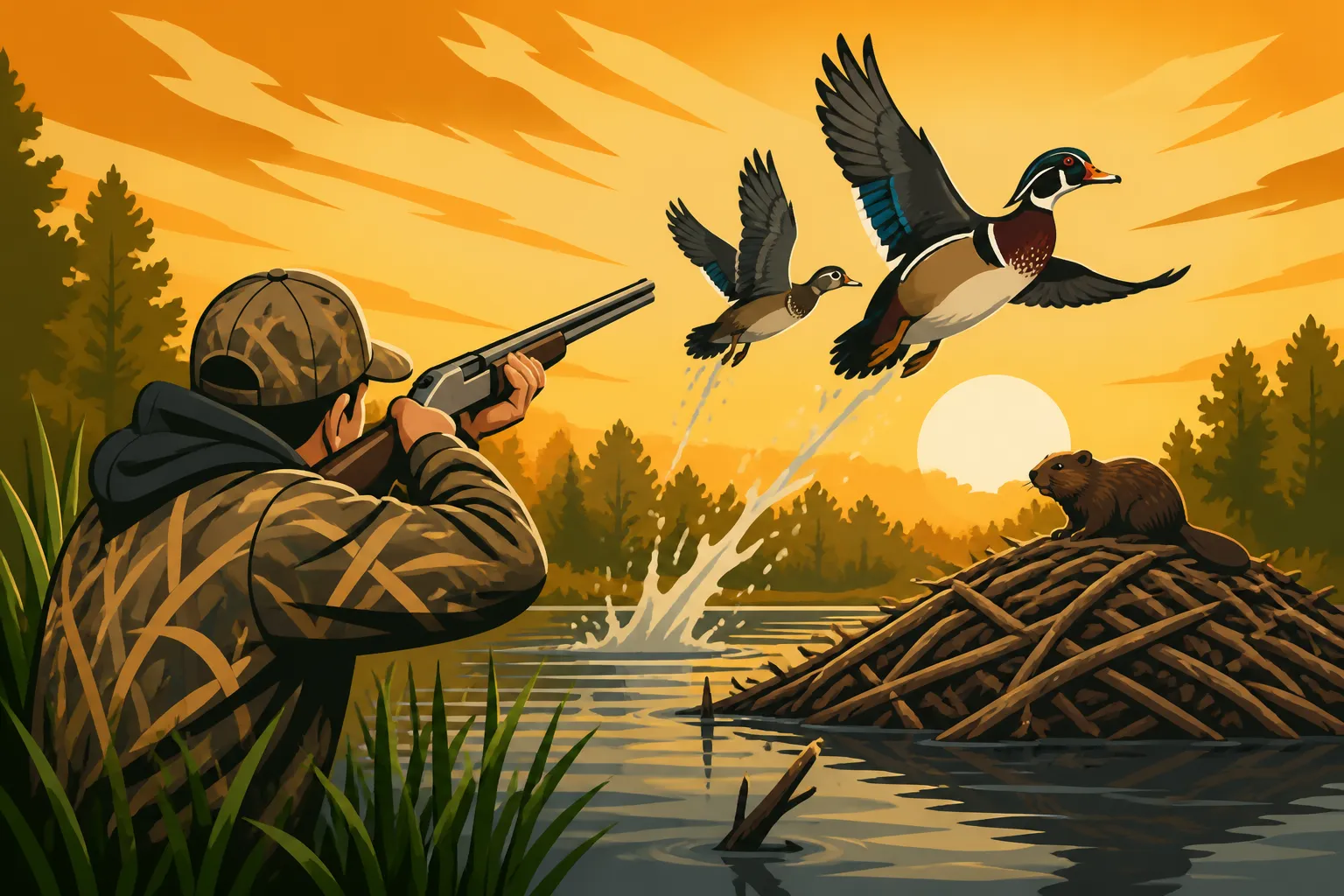
Many duck hunters find themselves drawn to the allure of large open water, with elaborate decoy spreads and static blinds, which can feel daunting or inaccessible, especially on heavily pressured public land. But for those craving fast-paced action, a more intimate connection with the marsh, and the thrill of discovery, there's a truly exciting alternative: jump-shooting wood ducks on Alabama's countless beaver ponds. This guide will walk you through everything you need to know to successfully pursue these beautiful, fast-flying birds in a way that’s both exciting, deeply rewarding, and often less crowded than traditional waterfowl spots.
Understanding the Allure of Wood Ducks and Beaver Ponds
There’s something uniquely captivating about the wood duck. Often referred to as the "Carolina duck" for its prevalence in the Southeast, this species is a jewel of the wetland, boasting iridescent plumage that shimmers with greens, purples, and blues, offset by striking white markings. Unlike many other duck species that prefer vast, open stretches of water, wood ducks thrive in the dense, flooded timber and shallow, vegetated wetlands that are so common across Alabama. They are a true forest duck, adept at navigating tight spaces and often found tucked away in overlooked pockets of habitat. For many hunters, bagging a vibrant drake wood duck is a badge of honor, representing a successful pursuit of one of nature's most stunning waterfowl. Their erratic flight patterns, coupled with their preference for tight cover, make them a challenging and exhilarating target, often requiring quick reflexes and a keen eye.
The Wood Duck's Unique Appeal in Alabama
In Alabama, wood ducks are a ubiquitous presence throughout the state's diverse aquatic ecosystems. From the cypress swamps of the Mobile-Tensaw Delta to the timbered creek bottoms of the Piedmont, these birds find ideal conditions. They're not just pretty faces; wood ducks are voracious eaters of acorns, seeds, and small invertebrates, thriving where these food sources are abundant in shallow, slow-moving water. This diet directly ties them to the forested wetlands, making them distinct from divers or puddle ducks that might frequent agricultural fields or larger rivers. During the early duck season splits, or even later into the year when colder weather pushes them into thicker cover, you'll often find wood ducks as one of the most reliable species to encounter in the small, sheltered backwaters that define much of Alabama's hunting landscape.
The beauty of hunting wood ducks in these environments is the intimacy of the experience. You're not just sitting and waiting; you're actively engaging with the habitat, pushing through cover, and reading the water. It’s an immersive form of hunting that demands stealth and an understanding of how these birds utilize their environment. Many hunters describe the sudden flush of a wood duck as a heart-stopping moment, a blur of color and speed that tests your readiness and shooting skill. If you're passionate about pursuing these incredible birds, you'll find plenty of opportunities across the state, especially if you focus on the right type of habitat.
Why Beaver Ponds are Wood Duck Magnets
When it comes to prime wood duck habitat in Alabama, beaver ponds are absolute goldmines. These natural engineers, beavers, create incredible wetlands by damming up creeks and small streams, flooding timber and creating shallow impoundments that are tailor-made for wood ducks. The flooded trees provide crucial cover from predators, perfect roosting spots, and an abundance of submerged timber that releases tannins, creating the dark, tannin-stained water that wood ducks seem to favor. Furthermore, these flooded areas often kill off trees, creating open pockets where ducks can land and feed on the seeds and invertebrates that thrive in the rich, decaying organic matter.
What makes beaver ponds so dynamic and exciting for hunters is their ever-changing nature. Beavers are constantly working, expanding, breaching, and rebuilding their dams, which means a pond that was good last year might be even better—or completely different—this year. This constant flux forces hunters to scout regularly and adapt, adding an element of exploration to every trip. These ponds also tend to be smaller, more secluded, and often overlooked by hunters who gravitate towards larger, more accessible water bodies. This means less hunting pressure and a more authentic, wilderness-like experience, whether you're on public land or a private tract.
Unlike vast marshes or open river channels that require boats, substantial decoy spreads, and often large groups of hunters, beaver ponds lend themselves perfectly to a solo hunter or a small, stealthy team. You can often access them on foot, wading through the shallows, making them a fantastic option for hunters who prefer a more minimalist approach. If you’ve spent time around Alabama's river swamps and seen how wood ducks thrive, then you understand why these smaller, sheltered beaver ponds offer such phenomenal opportunities for a close-quarters encounter.
Gear and Preparation for a Successful Jump-Shoot
Embarking on a jump-shoot in a beaver pond isn't like a typical duck hunt from a blind; it requires specific gear for mobility, stealth, and dealing with challenging terrain. You’re going to be walking, wading, and potentially pushing through thick cover, so your equipment choices need to reflect that active approach. Being prepared will not only increase your chances of success but also ensure your safety and comfort in these often-rugged environments.
Essential Equipment for Wading and Concealment
First and foremost, a good pair of chest waders is absolutely non-negotiable. You’ll be sloshing through muddy, uneven bottomland, often over downed logs and hidden stumps, so reliable, leak-proof waders are critical. Breathable waders are excellent for milder Alabama early season days, offering comfort and flexibility, while neoprene waders might be more suitable if you’re planning on hunting during the colder late-season splits. Ensure the boots are sturdy and offer good traction. Paired with your waders, a fast-handling shotgun is key. A 12 or 20-gauge pump or semi-auto, capable of quick swings and follow-up shots, is ideal. Given the close-quarters nature of jump-shooting, a shorter barrel (26 inches or less) can be a real advantage in tight timber.
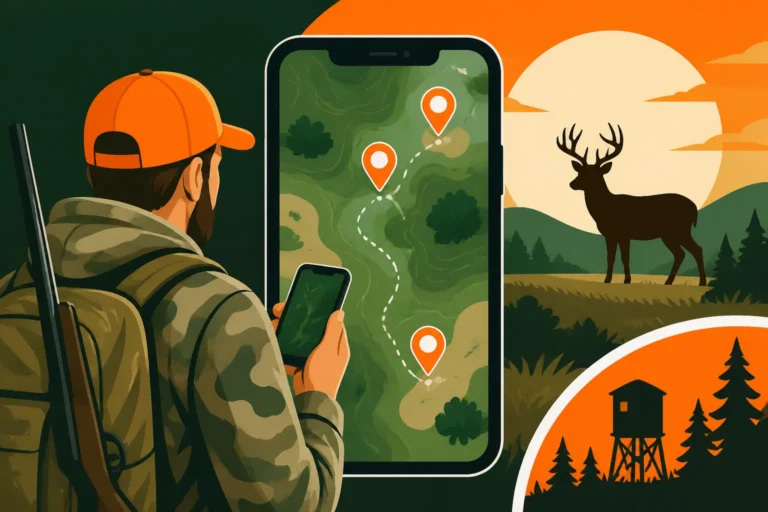
For ammunition, remember that federal law requires non-toxic shot for all waterfowl hunting. Steel shot is common and effective, with #3 or #4 shot being popular choices for wood ducks. Bismuth is another excellent, albeit pricier, non-toxic option that offers performance closer to lead. When it comes to camouflage, you'll want patterns that blend seamlessly with flooded timber and marsh vegetation. Woodland, breakup, or bottomland patterns are perfect for disappearing into the shadows and dense cover. Don't forget a headnet and gloves; your face and hands are often the first things ducks will spot. Lastly, consider a waterproof backpack for essentials like water, snacks, extra shells, and a game strap. For navigation and tracking, a robust mapping application like the one offered by GoHunt can be invaluable for pinpointing ponds, marking your path, and identifying property lines.
Scouting Smart: Finding the Right Pond at the Right Time
Success in jump-shooting beaver ponds hinges almost entirely on effective scouting. You can’t just show up to any old beaver pond and expect to find birds; you need to locate active ponds that wood ducks are currently using. This process should ideally begin before the season opens, or at the very least, during the days leading up to your hunt. Early morning or late evening scouting trips are best for observing actual bird activity. Look for fresh signs such as wood duck droppings on logs, shed feathers, fresh tracks in the mud, or, most importantly, active beaver dams and freshly chewed trees. These are all indicators of a healthy, active wetland ecosystem.
Utilizing modern mapping tools is a game-changer for this type of hunting. Applications like the Outdoor Alabama app, or premium tools from GoHunt, allow you to scan satellite imagery for low-lying areas, creek drainages, and areas with dense hardwood timber that are prone to beaver activity. Look for tell-tale signs of flooded areas, dead timber standing in water, and the distinct oval shapes of beaver ponds. By overlaying property lines, you can determine if a promising pond is on public land or if you need to seek permission from a landowner. Remember, knowing your chosen area is also crucial for things like avoiding crowded spots, which you can learn about in our guide on Hunting Pressure on Alabama Public Land.
Once you've identified potential ponds from maps, a crucial step is ground-scouting. This means quietly visiting these locations at dawn or dusk to listen for wood duck calls—their distinctive "whoo-eek" whistle or squeal is unmistakable—or to observe their fly-in and fly-out patterns. Pay attention to where they prefer to land, feed, or loaf within the pond, as this will inform your approach during the actual hunt. You’ll find that understanding Alabama Waterfowl Migration Timing can also give you an edge, as fresh birds moving through might push into these smaller, quieter havens.
Tactics for Approaching and Working a Beaver Pond
The thrill of jump-shooting is in the surprise—both for you and the ducks. This isn't a passive hunt; it demands active participation, stealth, and quick decision-making. How you approach the pond and how you systematically work through it will directly impact your success. It's a dance between being unnoticed and being ready for explosive action.
Stealthy Approaches and Reading the Water
The moment you step foot near a beaver pond, your hunt has begun, and stealth becomes your absolute priority. Move slowly, deliberately, and above all, quietly. Avoid splashing water, snapping twigs, or making any unnecessary noise. Use the natural cover around the pond – thick brush, large trees, dense cane – to conceal your approach. Instead of walking directly towards the pond, try to move perpendicular to it or along its edges, using the contours of the land and vegetation to break up your silhouette. Think like a predator, constantly assessing the landscape for cover and potential vantage points.
As you get closer, start reading the water. Look for open pockets where ducks might be feeding or loafing, often near the edges of fallen timber or areas with emergent vegetation. Keep your eyes peeled for any movement, ripples, or the subtle glint of a duck's head. Pay close attention to the wind direction; ideally, you want to approach with the wind in your face. This helps carry your scent and sound away from the ducks and can also sometimes cause flushing birds to briefly hesitate or cup their wings into the wind, giving you a slightly better shot opportunity. If you're hunting with a partner, establish clear hand signals beforehand. One hunter might push through a section while the other acts as a blocker on the opposite bank or downstream, creating a pincer movement to flush birds towards a shooting lane. This coordinated effort can significantly increase your chances, a technique that differs from typical Hunting Flooded Timber for Mallards where static blinds are common.
The Quick Shot: Making the Most of Flushing Birds
Wood ducks are renowned for their incredible speed and acrobatic flight. When they flush, it’s often an explosion of motion, straight up and then veering sharply through the timber. This means you need to be ready for an instant, snap-shooting scenario. There’s little time for deliberation. Practice should focus on quick target acquisition and a smooth, decisive swing. Often, the birds will flush vertically before committing to a direction, offering a brief window for an overhead shot before they dart into the thick cover. It's not about sustained lead; it's about being on target and pulling the trigger in a fraction of a second.
Retrieving downed birds in a beaver pond can be as challenging as shooting them. The dense vegetation, submerged timber, and often murky water make it easy for a fallen bird to disappear. As soon as you shoot, mark where the bird falls immediately – pick out a specific tree, a bent branch, anything to fix its location. A well-trained retriever is an invaluable asset for jump-shooting. A good dog can significantly improve your recovery rates, minimizing lost birds. If you don't have a dog, be prepared to wade carefully and systematically search the area. Remember your Alabama Duck Daily Bag Limit and ensure you're only shooting at birds you can confidently identify and retrieve. Ethical hunting means making every effort to recover every bird you shoot.
Safety, Regulations, and Ethical Considerations
While jump-shooting beaver ponds offers a unique and exhilarating experience, it's paramount to prioritize safety, adhere to all hunting regulations, and practice responsible outdoor ethics. These small, often secluded environments demand extra vigilance and respect for both the wildlife and the natural landscape.
Navigating Alabama's Waterfowl Regulations
Before you even think about heading out, ensure you are fully compliant with all state and federal waterfowl regulations. This means having a valid Alabama hunting license, a state duck stamp, a federal duck stamp, and being HIP (Harvest Information Program) certified. These are all mandatory for hunting migratory birds. You can often purchase and manage these licenses through the Outdoor Alabama website or a platform like GoHunt, which can help keep your certifications organized. Always double-check the current season dates and legal shooting hours for your specific zone, as well as species-specific bag limits. Alabama's waterfowl regulations can vary, so stay informed.
It's also crucial to understand land ownership. Always obtain explicit permission before hunting on private land. For public lands, such as Wildlife Management Areas (WMAs) or National Forests, be aware of any specific regulations that might apply beyond the statewide rules, such as special permit requirements or designated hunting zones. You can find detailed information on these areas, including their unique requirements, in resources like our guide on Alabama Wildlife Management Areas. Carcass transport laws are also important, especially if you plan to cross state lines with your harvest. Know what parts of the bird you can legally transport and how they must be prepared. Familiarize yourself with all rules, even seemingly minor ones, as these are critical for ethical and legal hunting.
Retriever Etiquette and Responsible Hunting
If you're fortunate enough to hunt with a retriever, their role in jump-shooting is invaluable. However, it comes with responsibility. Ensure your dog is well-trained, obedient, and stays close at heel during the approach. A dog that busts out too early can ruin a hunt by flushing birds prematurely. Only send your dog for retrieval when it’s safe to do so and you have clearly marked the fallen bird. Never allow your dog to harass other wildlife, and keep them under control at all times, especially if other hunters might be nearby.
Beyond dog etiquette, responsible hunting demands that you leave no trace. Pack out all your spent shotgun shells, any food wrappers, or trash you bring in. The beauty of these wild beaver ponds lies in their pristine nature, and it’s every hunter's duty to maintain that. Respect the efforts of the beavers that created these habitats; their work is vital to the ecosystem. Furthermore, always be aware of other potential users of the land, whether they are other hunters, hikers, or landowners. If you encounter another hunter, give them ample space and communicate respectfully. A shared resource thrives on shared respect. By adhering to these ethical considerations, you ensure that the joy of jump-shooting wood ducks in Alabama's beaver ponds remains a vibrant tradition for years to come.
| Aspect | Key Considerations for Jump-Shooting | Importance for Success & Safety |
|---|---|---|
| Waders | Chest waders (breathable or neoprene), sturdy boots. | Essential for navigating shallow water, mud, and hidden obstacles. |
| Shotgun Choice | Fast-handling 12 or 20 gauge, pump or semi-auto, shorter barrel. | Enables quick target acquisition on fast-flushing, close-range birds. |
| Ammunition | Non-toxic steel or bismuth shot, #3 or #4 size. | Federal requirement for waterfowl; effective pattern for wood ducks. |
| Camouflage Pattern | Bottomland, timber, or similar natural patterns. | Critical for stealthy approach and blending into dense vegetation. |
| Mapping App | Outdoor Alabama, GoHunt, or other GPS-enabled apps. | Identifies potential ponds, property lines, and tracks your route. |
| Scouting | Pre-season and active observation (dawn/dusk). | Locates active ponds, identifies flyways, and minimizes wasted effort. |
| Dog (Optional) | Well-trained retriever, under control at all times. | Drastically improves retrieval rates in thick cover. |
| Regulations | Valid licenses, stamps, HIP, bag limits, shooting hours. | Ensures legal hunting and avoids fines or loss of privileges. |
Disclaimer
Hunting is an inherently dangerous activity. Always prioritize safety, understand and follow all local, state, and federal regulations, and practice responsible firearm handling. This guide is for informational purposes only and does not substitute for proper hunter education or professional guidance. The author and publisher are not liable for any injuries, accidents, or legal issues that may arise from the use of this information. Always check with the Alabama Department of Conservation and Natural Resources (ADCNR) for the most current regulations and safety guidelines.