How Early Season Squirrels Give Themselves Away
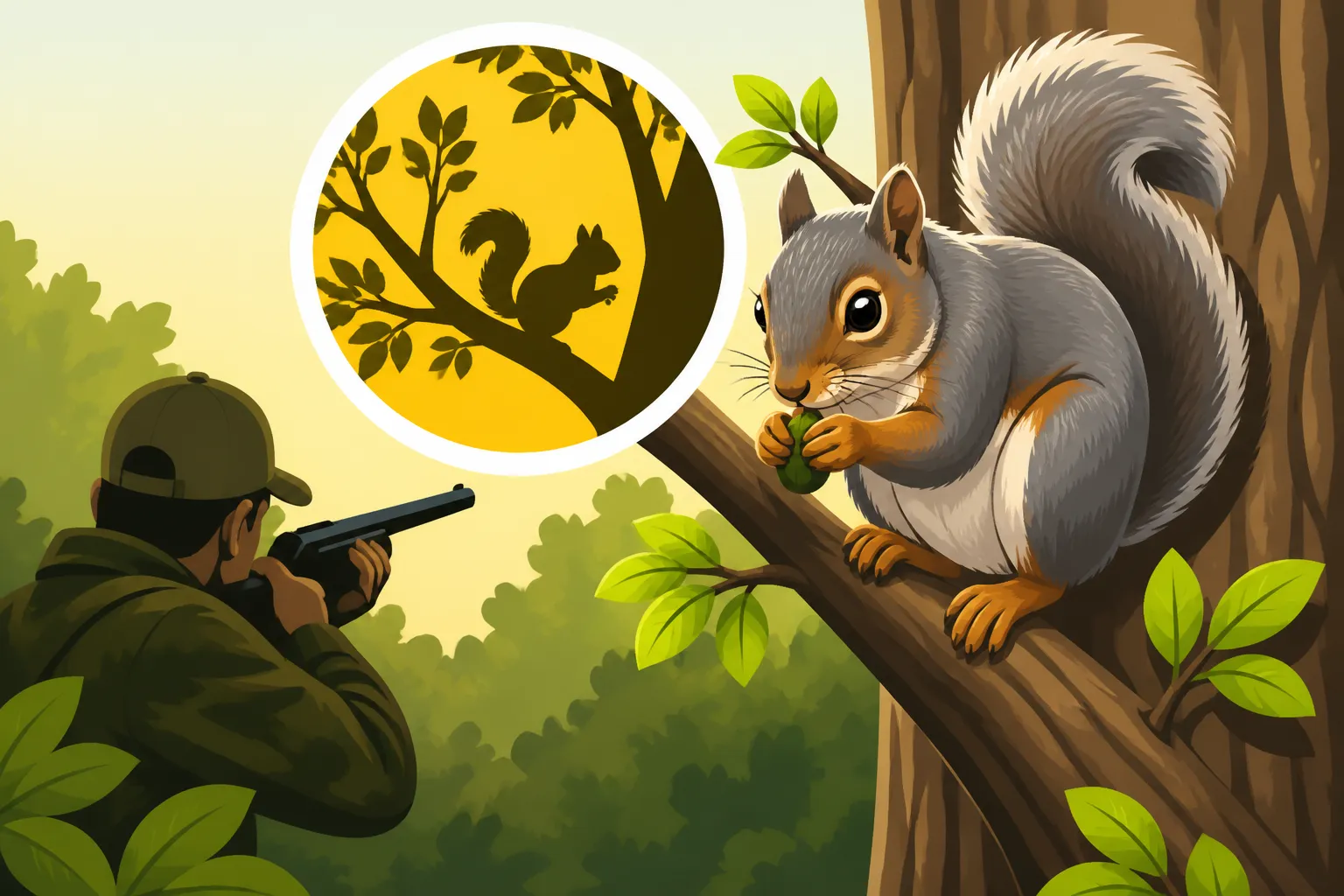
The early season in Alabama, with its thick green foliage and lingering summer heat, can make squirrel hunting feel like an impossible game of hide-and-seek. You’re out there, eyes scanning the canopy, ears straining, but those wily little bushytails often seem to melt into the shadows, leaving you wondering if you’re even in the right spot. Don’t get discouraged; they are definitely there! This comprehensive guide will help you decipher the subtle clues and overt signs that early season squirrels use to inadvertently give away their positions, transforming your frustrations into successful hunts.
Understanding Early Season Squirrel Behavior
Before you can effectively hunt early season squirrels, it helps to understand what drives them during these warmer months. Unlike the colder periods when food might be scarce, early season in Alabama is usually a time of plenty, especially with the emergence of green acorns and maturing hickory nuts. Squirrels are busy; they're foraging, caching food, and maintaining their territories. Their activity levels can fluctuate with the temperature, often peaking in the cooler mornings and late afternoons, much like deer. Knowing this rhythm is your first step to being in the right place at the right time.
One of the biggest challenges is the dense leaf cover. While it provides excellent camouflage for squirrels, it also muffles sound and obscures vision for us hunters. This means we have to lean heavily on other senses and be incredibly patient. Early season squirrels haven't faced the same hunting pressure as later in the year, so they might be a little less wary in certain areas, but they're still wired for survival. Their daily routine revolves around food, safety, and sometimes, a little bit of territorial squabbling. Understanding these basic drives will help you anticipate their movements and identify the "tells" that betray their presence.
Decoding the Sounds of the Forest Floor
In the early season, when visual cues are often obstructed by a lush canopy, your ears become your most valuable hunting tool. Learning to distinguish the myriad sounds of the Alabama woods and isolating those made by squirrels is a skill that takes practice, but it's absolutely crucial for success.
Barking, Chattering, and Alarm Calls
Squirrels are vocal creatures, and their calls can tell you a lot about their mood and location. The most obvious sound is their distinctive bark. This isn't just random noise; it's often an alarm call. If a squirrel barks, it typically means it has spotted something it perceives as a threat – which is often you. The trick here is that if one squirrel barks, others in the vicinity might pick up on it, creating a chain reaction. Pay close attention to the direction of the first bark. That's usually where the animal is, or at least where it first saw you.
Beyond the sharp bark, you'll hear chattering. This can be a sign of irritation, territorial disputes, or simply communication between individuals. A series of rapid "chur-chur-chur" sounds, sometimes escalating into a high-pitched squeal, often means two squirrels are chasing each other or one is expressing dominance. When you hear this, it's a good bet there's more than one squirrel in the area, and they're usually active. These vocalizations aren't just giving away a squirrel; they're giving away an area of high squirrel activity. So, if you hear a lot of chatter, move slowly and try to get a visual.
The Distinctive "Cutting" of Nuts
This is arguably the most reliable auditory cue in the early season. As squirrels feed on hard mast like acorns or hickory nuts, they have a unique way of "cutting" into the shell. They'll hold the nut in their front paws and gnaw away, making a rapid, almost scratching sound, sometimes accompanied by tiny pieces of shell dropping to the ground. This sound is distinct from a bird pecking or a twig breaking. It’s consistent and rhythmic, often lasting several seconds as they work on a single nut.
When you hear this "cutting" sound, stop immediately. Pinpoint the direction and try to estimate the distance. Squirrels often find a comfortable perch, like a tree limb or a stump, to enjoy their meal. If the sound suddenly stops, it means the squirrel has likely become aware of something. Freeze and wait. Often, after a minute or two of silence, they’ll resume their meal, confirming their location. This cutting sound is your gold standard for locating an actively feeding squirrel, especially in dense woods.
Leaf Rustling and Ground Movement
In the damp, humid conditions of early season, the forest floor might not be as crunchy as in late fall, but squirrels still create noise as they move. Their scampering across fallen leaves, especially around the base of mast trees, creates a distinct rustling. It's usually a lighter, more erratic sound than the heavier thud of a deer or the steady slither of a snake. You might also hear them jumping from branch to branch, or descending a tree trunk.
The key here is differentiation. Many small creatures rustle leaves – birds, chipmunks, even larger insects. What sets a squirrel apart is the speed, the direction, and the pattern. A squirrel tends to move quickly in short bursts, often stopping to listen, then moving again. If you hear persistent, darting movements, especially around a particular tree or patch of ground, it’s worth investigating. Use your binoculars to scan the area where the sound originates. Patience is your ally; often, if you sit still and listen, you'll eventually catch a glimpse of the culprit.
Visual Cues in a Green Canopy
Even with the thick foliage, squirrels aren't completely invisible. They are constantly moving, and their natural habits provide visual cues if you know what to look for. Your eyes need to be trained to spot anomalies in the homogenous green.
Twitching Tails and Body Movement
This is the classic giveaway. A squirrel's tail is a marvelous instrument, used for balance, communication, and even as a sunshade. In the early season, the slightest twitch or flick of a tail against a background of green leaves can be all you need. Rather than looking for a whole squirrel, look for parts of a squirrel. Scan the branches for any unnatural movement. A slight tremor, a rapid flick, or even just the dark outline of a bushy tail protruding from a cluster of leaves.
Squirrels are rarely completely still for long. Even when feeding or resting, they'll often shift their weight, scratch an itch, or adjust their position. These subtle movements, when contrasted against a motionless backdrop, are often your first visual confirmation. Pay particular attention to the upper canopy of mast trees, as this is where they'll often be actively foraging for green acorns or early hickory nuts. A good pair of binoculars can magnify these subtle movements, turning a hopeful guess into a positive identification.
Identifying Active Dray Nests and Leaf Nests
Squirrels build two main types of nests: drey nests and leaf nests. Drey nests are typically constructed in tree cavities or hollows, offering substantial protection. Leaf nests, on the other hand, are built from twigs and leaves high in the branches, often looking like a messy bundle of debris. While leaf nests are a common sight year-round, identifying active ones in the early season can point you to a productive area.
An active leaf nest will often look fresher, with newer, greener leaves and twigs woven in. You might see a visible entrance hole or signs of recent repair. During your scouting trips, or even while sitting on stand, look for squirrels entering or exiting these nests. They use them for sleeping, rearing young, and escaping predators. A concentration of active nests in a specific area, especially in hardwood bottoms or along ridges with abundant food, suggests a healthy local population. Map these locations out on your GoHunt app during the off-season so you have a starting point when the season opens.
Bare Branches and Feeding Sign
Squirrels, being natural opportunists, often create "feeding stations" around their preferred food sources. This can manifest as small, localized areas of bare branches or chewed-up twigs. As they repeatedly visit the same spot to munch on nuts, they may inadvertently (or intentionally) clear away smaller branches and leaves, creating a clearer vantage point for themselves and, ironically, a clearer sign for you.
Look for areas where small branches appear stripped, or where the ends of twigs look freshly chewed. This sign is particularly prevalent around hickory trees, where they might strip the bark to get at the inner cambium, or around pine trees where they've been working on cones. While not as direct as seeing the squirrel itself, these areas of disturbance can indicate a regular feeding pattern. If you find multiple trees showing this type of sign, especially near a water source or a dense bedding area, you've likely found a prime squirrel hangout. These patterns can sometimes be difficult to discern from afar, so move slowly and deliberately to scan the canopy.
Reading the Forest Floor and Food Sources
Just like deer, squirrels leave clues on the ground that reveal their activity, especially around their dinner tables. Knowing what to look for beneath your feet is just as important as scanning the trees.
Fresh Cuttings and Shell Fragments
This is one of the most undeniable signs of recent squirrel activity. As squirrels eat acorns, hickory nuts, pecans, or even pine cones, they drop the shell fragments and uneaten pieces to the ground. In the early season, particularly under oak and hickory trees, you'll find fresh cuttings. These will often be lighter in color, sometimes still damp, and won't have the weathered, faded look of older fragments.
Take a moment to carefully examine the ground under mast-producing trees. Look for small piles of shell fragments or freshly chewed nut pieces. If you find these, you know squirrels have been actively feeding there very recently. The specific type of nut fragments can also tell you what they're currently preferring. In Alabama, early season typically means squirrels are hammering green acorns – often red oak varieties that drop earlier – and ripening hickory nuts. If you find a spot covered in fresh cuttings, set up quietly nearby and wait. A squirrel is likely to return, or another might already be nearby. For more general advice on Squirrel Hunting Alabama Hickory Groves, checking specific habitat details can be immensely helpful.
Tracks and Trails
While squirrels don't leave tracks as prominent as a deer, they do leave them, especially in soft soil, mud around watering holes, or even fine dust on logging roads. Squirrel tracks are typically small, with four toes on the front feet and five on the back. Their gait is usually a bounding one, with the hind feet landing ahead of the front feet.
Finding clear squirrel tracks can be challenging, but if you're scouting around water sources, creek bottoms, or sandy areas, keep an eye out. A cluster of tracks around a specific tree or log might indicate a popular feeding or travel route. While not as common as visual or auditory cues, confirmed tracks show definite presence and can help you confirm that a particular area is indeed active. Knowing how to read subtle ground sign is an invaluable skill for all types of hunting, including when Reading Alabama Mud for Fresh Deer Movement, a skill transferable to small game as well.
Preferred Early Season Food Sources
Understanding a squirrel's diet in the early season is paramount. In Alabama, squirrels are opportunistic, but they have preferences. As late summer turns to early fall, they transition from eating berries, mushrooms, and buds to focusing heavily on hard mast. Green acorns are a huge draw. Unlike mature acorns that fall later, early-dropping green acorns are often softer and easier for squirrels to open. Look specifically for white oaks and red oaks that are beginning to drop.
Hickory nuts are another major food source. There are several species of hickory in Alabama, and all are squirrel magnets. You'll often find squirrels working tirelessly on hickory trees, even while the nuts are still ripening. Pecans, where available, are also highly sought after. If you can locate groves of these trees, especially in mature hardwood bottomlands, you've found prime squirrel real estate. Checking a general guide on Squirrel Hunting Alabama Bottomland Hardwoods can give you a broader understanding of preferred habitats.
Using Technology and Patience for Success
Even with all the natural signs, modern tools and a solid hunting philosophy can significantly boost your early season squirrel hunting success. It’s about leveraging every advantage you have.
Scouting Before the Hunt
This cannot be stressed enough. Early season squirrel hunting benefits immensely from pre-season scouting. Before the season even opens (check your Alabama Squirrel Season Opening Day for precise dates), spend time walking the woods you plan to hunt. Look for those active leaf nests, identify mast-producing trees, and listen for early squirrel chatter. This is where a robust mapping application really shines.
Utilize an app like GoHunt to mark potential hot spots. Drop pins on stands of oak, hickory, or pecan trees. Note areas where you see squirrel sign or hear activity. This digital reconnaissance allows you to build a detailed picture of squirrel activity before you even carry a gun into the woods. You can identify potential access routes, understand terrain features, and plan your approach silently and efficiently. This proactive scouting also helps you avoid Opening Weekend Crowds on Alabama Public Land by finding less obvious but equally productive spots.
Sit Still, Listen, and Observe
This is the golden rule of all still-hunting, and it’s especially true for early season squirrels. The dense cover and the squirrels' natural skittishness mean that frequent movement will alert more animals than it helps you find. Find a comfortable spot with good visibility (or at least good listening potential) near identified food sources or active nests, and then become part of the landscape.
Sit for at least 15-20 minutes, preferably longer. Let your eyes slowly scan the canopy and the forest floor. Listen for those tell-tale barks, chatters, and especially the distinct sound of cutting nuts. Often, squirrels that were spooked by your initial approach will resume their activity once they feel the threat has passed. The longer you sit still and quietly observe, the more likely you are to detect those subtle movements or sounds that give them away. This method often reveals squirrels you would have walked right past if you were constantly moving.
Incorporating GoHunt for Location Intelligence
A mapping app like GoHunt isn't just for deer hunters. It’s an invaluable tool for small game as well. When you're scouting, use it to accurately pinpoint those active drey trees or specific stands of mast. You can mark "hickory grove 1" or "oak flat" and then revisit these areas with precision during the season. The detailed satellite imagery can help you identify canopy differences that might indicate various tree species, leading you to prime feeding areas.
Beyond simply marking locations, GoHunt can help you plan quiet entry and exit routes. You can analyze terrain features, identify small creek drainages or thickets that might funnel squirrel movement, or find less-traveled paths that allow you to approach your chosen spot undetected. In areas where cell service is spotty, ensure you download your maps for offline use. This preparedness allows you to hunt smarter, not harder, by maximizing your time in areas of high squirrel density and activity. When you know Where Bankhead Forest Bucks Bed, you can use similar topographic analysis to locate prime squirrel habitat.
Table: Common Early Season Squirrel Signs
| Sign Type | Specific Indication | What it Means for Hunters | Key Scouting Tip |
|---|---|---|---|
| Auditory | Barking | Alarm call, perceived threat. Squirrel is aware of something (likely you). | Freeze, identify direction, wait for activity to resume. |
| Chattering | Communication, territorial dispute, excitement. Multiple squirrels likely active. | Move slowly towards the sound, look for movement. | |
| "Cutting" of Nuts | Squirrel actively feeding on hard mast (acorns, hickory nuts). Highly reliable sign. | Pinpoint exact location, set up quietly, wait for a shot. | |
| Leaf Rustling | Squirrel moving on the ground or in low branches. | Distinguish from other animals; focus on sporadic, quick movements. | |
| Visual | Tail Twitches/Body Movement | Squirrel present, even if mostly hidden. Smallest movement is a giveaway. | Scan canopy/branches slowly with binoculars for any anomaly. |
| Active Leaf Nests (Drey) | Den tree or regular resting/escape point. Looks fresh, squirrels seen entering/exiting. | Mark on your GoHunt app; indicates a core activity area. | |
| Bare Branches/Chew Marks | Regular feeding station. Squirrels have repeatedly used this spot. | Investigate nearby trees for fresh cuttings; set up near these concentrated areas. | |
| Fresh Cuttings/Shell Fragments | Recent feeding activity on the forest floor, usually under mast trees. | Look for light-colored, damp fragments. Confirm the food source (acorn, hickory, pecan). | |
| Environmental | Green Acorns & Hickory Nuts | Primary early season food sources. | Focus scouting efforts on mature oak and hickory groves, especially in bottomlands. |
| Water Sources | Squirrels need water, especially in warm weather. | Check creek banks and pond edges for tracks and concentrated activity. |
Moving Slow and Deliberately
Ultimately, early season squirrel hunting in Alabama demands a blend of acute observation, deep listening, and immense patience. Don't rush. The woods are noisy with late summer insects and rustling leaves, but the unique sounds of squirrels cutting nuts or their sudden, darting movements will stand out once you train your senses. Use your scouting efforts and tools like GoHunt to put yourself in the best position. Then, simply sit, watch, and listen. You'll be surprised at how quickly those seemingly invisible early season squirrels begin to give themselves away, rewarding your efforts with a satisfying hunt. When the hunting pressure builds later in the year, knowing How Early Season Squirrels Give Themselves Away can still give you a significant edge in finding unpressured game.
Disclaimer
Hunting regulations, seasons, and licensing requirements can change. Always consult the latest Alabama Department of Conservation and Natural Resources (ADCNR) official regulations before heading afield. Safety should always be your top priority.