Layout Blind Hunting a Cut Cornfield
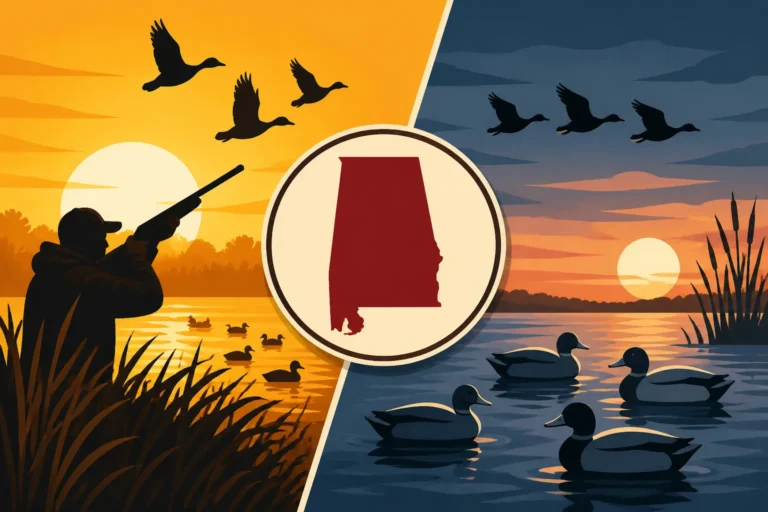
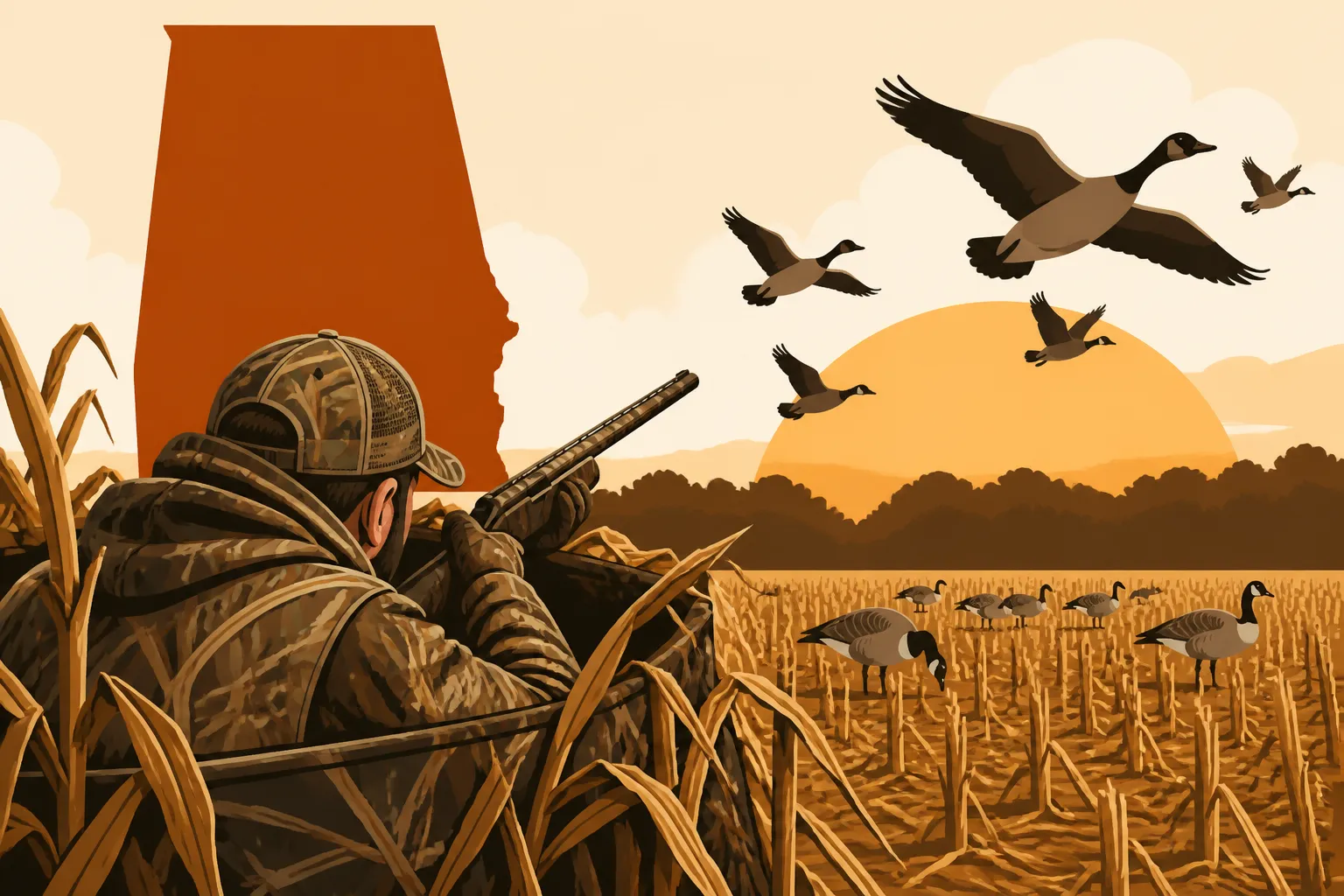
There's nothing quite like the sight of a flock of ducks or a string of geese setting their wings and dropping into your spread, especially when you're tucked away in what feels like an invisible hide right there in their dinner plate. But let's be real, trying to hunt waterfowl in wide-open agricultural fields here in Alabama can feel daunting. Standard blinds stick out like a sore thumb. This guide will walk you through everything you need to know about successfully hunting cut cornfields from a layout blind, ensuring you stay hidden and in the thick of the action.
Understanding the Allure of Cut Cornfields for Alabama Waterfowl
The drone of distant duck talk or the unmistakable honk of Canada geese often leads hunters to the water, but many times, the real party is happening inland, especially in our vast agricultural landscapes. Cut cornfields are absolute magnets for waterfowl, and understanding why is your first step to a successful hunt.
Why Ducks and Geese Flock to Corn Stubble
After the harvest, cut cornfields become prime real estate for ducks and geese for several compelling reasons. First and foremost, they offer an incredible food source. While the combines do a great job, they never get every kernel. This spilled grain, lying readily available on the ground, represents a high-energy buffet for migrating and resident waterfowl alike. Think of it: easy pickings with minimal effort. This is particularly crucial during colder snaps when birds need to pack on calories to maintain body heat and fuel their journeys. You'll often see them using these fields to build up reserves, especially during the peak of the duck migration timing through Alabama.
Beyond the calories, the corn stubble itself provides crucial cover. While it might seem open to us, a low-lying duck or goose feels a sense of security among the chopped stalks. It offers protection from the wind, a place to loaf and preen, and a natural camouflage against overhead predators. Ducks especially love to sift through the residual stalks, finding not just corn but also a smorgasbord of insects and invertebrates that thrive in the rich agricultural soil. For geese, it’s a wide-open landing strip with a readily available meal, making it an ideal location for large flocks to congregate, feed, and rest before moving on. They feel safe in these expansive fields where they can see danger coming from a long way off.
Scouting for Success: Finding the Right Cut Cornfield
You can’t just pick any cut cornfield and expect to find birds. Successful layout blind hunting in Alabama starts with meticulous scouting. This isn't a "drive by and hope" kind of endeavor; it's about putting in the windshield time, and sometimes even a little boot-leather time, to identify where the birds are actually feeding and loafing. Start by driving the backroads at dawn and dusk, carefully observing fields with binoculars or a spotting scope. Look for patterns: do the birds hit a specific field every morning, or is it more of an evening affair?
What you're looking for is fresh sign. This includes abundant droppings, especially if they’re still moist, indicating recent activity. You'll also want to look for tracks in softer soil or muddy spots, and scattered feathers. The volume of this sign will tell you if it's a casual feeding spot or a consistent honey hole. Pay attention to how the birds are entering and exiting the field, as this will help you set up your decoys and blinds for optimal concealment and shooting lanes. Modern tools can be a huge asset here; using apps like GoHunt or onX to overlay aerial imagery with property boundaries can save you a ton of time. These maps can help you identify subtle terrain features or unharvested strips that might concentrate birds, or confirm if the field is private or part of a public hunting area where specific Alabama WMA Quota Hunt Sign-In Rules might apply.
Remember, birds are creatures of habit, but they're also pressured. A field that was hot last week might be barren this week if hunting pressure pushed them out. So, your scouting needs to be as close to your hunt date as possible. Don't overlook the smaller, less obvious fields. Sometimes, a forgotten corner or a small, odd-shaped parcel can hold birds because other hunters overlook it. It’s all about finding those undisturbed pockets where the birds feel safe enough to feed.
Essential Gear and Setup for Layout Blind Hunting
Once you've found your promising cornfield, the next step is getting the right gear together. Layout blind hunting is a specialized approach, and having the proper equipment can make the difference between a frustrating bust and a memorable hunt.
Choosing the Right Layout Blind
The layout blind itself is the cornerstone of this hunting method. It's designed to keep you low to the ground, almost invisible within the field stubble. There are a few main types, and your choice will depend on your personal preference, comfort needs, and budget. Low-profile blinds, like those from Avery Outdoors or Final Approach, are incredibly effective at concealment because they sit barely above the ground. They are lightweight and easy to brush in, making them ideal for hunters who prioritize stealth above all else. However, they can sometimes be less comfortable, requiring you to lie quite flat.
Full-frame layout blinds, such as those offered by Avian-X or Rogers Sporting Goods, provide a bit more room and often a more comfortable, slightly reclined position. They're usually a bit heavier and bulkier to transport but offer superior comfort during long hunts, especially on colder days. Many of these blinds also feature a spring-loaded door that pops open quickly for a clean shot, which is critical when a flock commits. Regardless of the type, ensure the camouflage pattern matches the typical colors of a cut cornfield in Alabama – think tans, browns, and faded yellows. A key feature to look for is plenty of loops or straps on the blind's exterior to attach natural vegetation for brushing in. A well-brushed layout blind becomes virtually invisible, turning you into just another bump in the field. This attention to detail is paramount for success when you're specifically focused on layout blind hunting a cut cornfield.
Decoy Spreads and Placement Strategies
Your decoy spread is the visual magnet that draws birds into shooting range. For ducks in cut cornfields, a combination of full-body and shell decoys often works best. Full-body decoys create a realistic, three-dimensional look that can be seen from a distance, while shells are lighter to carry and still add bulk to your spread. A common strategy for ducks is to create a U-shaped or J-hook spread, with the open end of the "U" facing into the prevailing wind (as birds prefer to land into the wind). Place your blinds at the closed end of the "U," allowing birds to commit to the landing zone directly in front of you. Think about creating natural-looking family groups rather than perfectly spaced lines.
For geese, larger full-body decoys are essential due to their size. Many hunters combine Canada goose decoys with snow goose or specklebelly decoys if those species are also present in the area, especially in parts of Alabama where Delta Goose Guide Services operate. Geese tend to be warier than ducks, so a larger spread is often more effective, mimicking a big, confident flock feeding undisturbed. Spread these decoys out more than you would for ducks, giving the illusion of a relaxed feeding area. Don't forget motion decoys! Spinners, flapping-wing decoys, and even simple flags can add crucial realism, especially on calm days when static decoys look unnatural. They simulate movement, catching the birds' eyes and signaling that it's safe to land.
Crucial Accessories for a Comfortable and Effective Hunt
Beyond your blind and decoys, a few key accessories will significantly enhance your layout blind hunting experience. First, dress for the weather. Alabama can go from chilly to surprisingly warm in a day, but in an open field, even mild breezes feel colder. Layering is crucial, and waterproof outerwear is a must. A good face mask, gloves, and a warm hat will keep you comfortable and further aid in concealment. You'll be lying still for long periods, so warmth management is critical.
Next, consider a comfortable seat or backrest within your blind if it doesn't have one built-in. Some hunters even use small inflatable cushions. A shell bag is indispensable for keeping your ammunition organized and easily accessible. Invest in quality calls for the species you’re targeting; a good mallard call or goose call, along with some confidence in using them, is a game-changer. Don't forget snacks, water or coffee in a thermos, and any personal items you might need. Finally, if you hunt with a retriever, make sure they are well-trained to stay hidden and quiet in or beside your blind. They are invaluable for quickly retrieving downed birds and helping you comply with the Alabama duck daily bag limit without disturbing the rest of the flock. A well-placed dog blind can also be integrated into your layout blind setup for seamless concealment.
Executing Your Hunt: From Concealment to Calling
With your gear squared away and your scouted field locked in, it's time to put theory into practice. Execution in layout blind hunting is all about seamless integration with your environment and effective communication with the birds.
Mastering Concealment: Brushing In Your Layout Blind
This is, without a doubt, the most critical step after selecting your field. A poorly brushed blind is an advertisement that screams "hunter!" to incoming birds. You need to become one with the cut cornfield. Start by placing your blind in a spot that naturally breaks up its outline—a small ditch, a slight rise, or an existing clump of stubble. Then, using cornstalks, grass, or any other natural vegetation from the immediate vicinity, meticulously weave and layer it over and around your blind. The goal is to eliminate any straight lines, sharp angles, or unnatural shadows that might betray your position.
Don't just pile brush on top; think about how the natural vegetation lays. Stand back from your blind, and even walk around it, to look at it from different angles, just as an approaching bird would. Fill in any gaps, paying close attention to the head and foot ends, which tend to stick out the most. The flaps that open for shooting should also be lightly brushed so they blend in when closed but can still open freely. This process can take time, sometimes 30 minutes or more per blind, but it is time supremely well spent. Birds have incredible eyesight, and they will flare at the slightest unnatural anomaly. Mastering this art of blending in is vital for hunting the Tennessee River Delta for waterfowl or any other open-field scenario in Alabama.
Calling Strategies for Cut Cornfield Birds
Calling is an art, not just a noise-making exercise. In a cut cornfield, your calling strategy needs to be dynamic and responsive to the birds' reactions. For ducks, a series of comeback calls or pleading hails can grab distant birds' attention. As they turn and approach, switch to softer, more contented feed calls and clucks to reassure them that everything is safe. If they start to turn away or seem hesitant, a sharp "kill" call (a series of excited quacks) can sometimes turn them back or encourage them to commit. Be careful not to overcall; sometimes, less is more, especially with wary birds later in the season.
For geese, deep honks, clucks, and moans from a short-reed call are the primary tools. Canada geese often respond to a series of calm honks followed by feed calls. Specklebellies, or "specks," require a distinct yodel call, which can be challenging to master but is incredibly effective when done correctly. Watch the birds' body language: if they are still flying strong and looking, keep calling. If they drop their feet and commit, you can often go silent or offer just a few soft clucks as they come into range. Remember that birds will fly against the wind to land, so position your calls to guide them into your landing zone. Getting comfortable with these various calls will greatly increase your chances of meeting your Alabama duck daily bag limit.
Shot Placement and Post-Shot Procedures
When the birds are committed and in range, waiting for the right moment is crucial. For ducks, this typically means when they are just starting to put their feet down over the decoys. For geese, it's when they've cupped their wings and are fully committed to landing. Call the shot clearly to your hunting partners ("Take 'em!"). Lead your birds adequately; they are moving faster than you think. Aim for the head and neck, or the front half of the bird, to ensure a clean, ethical kill. Using quality steel shot, as required for migratory birds, will help with penetration and knockdown power.
After the shot, quickly mark your bird's fall. In a large cornfield, a downed bird can disappear instantly into the stubble. If you have a retriever, send them immediately. If not, note a landmark like a distant tree or a specific stubble pattern relative to where the bird went down. Recovering birds swiftly is not only ethical but also ensures you collect your harvest. Remember to comply with all Alabama regulations, including tagging any birds required and observing Alabama legal turkey hunting hours (though we're talking ducks/geese here, the principle of legal hours applies). And don't forget, an Alabama Migratory Bird Certification is required, in addition to your Alabama Duck Stamp Requirement, before you head out.
Overcoming Challenges and Maximizing Your Harvest
Layout blind hunting in Alabama's cut cornfields can be incredibly rewarding, but it's not without its challenges. Adapting to conditions and understanding bird behavior are key to consistent success.
Dealing with Changing Weather and Bird Behavior
Alabama weather is famously unpredictable. A warm front can bring a lull in migration and make birds less active in the fields, while a sudden cold front can drive new birds south and make existing populations ravenous. Be prepared to adjust your tactics. On calm, sunny days, birds might be warier, requiring more subtle calling and even better concealment. On windy, overcast days, birds might be more aggressive in their flight and less cautious, allowing for a more active calling sequence. Heavy winds also help mask blinds and human scent.
Later in the season, birds become incredibly wary due to hunting pressure. They've seen it all. This is when your meticulous brushing-in, minimalist calling, and patience truly pay off. Sometimes, simply waiting them out, allowing a working flock to circle multiple times before committing, is the best strategy. They’ll scrutinize your spread, and if anything looks off, they'll flare. Be prepared to change your spread if birds are consistently flaring at a certain point; maybe your landing zone isn't quite right, or a decoy looks out of place. This adaptive approach is what separates consistently successful hunters from those who just get lucky.
Public Land Considerations for Cut Cornfield Hunters
While many prime cut cornfields are on private land, Alabama does offer some public land opportunities, particularly within certain Wildlife Management Areas (WMAs) and National Wildlife Refuges (NWRs). Hunting public land means you'll likely encounter more pressure, which makes scouting even more critical. Look for fields that are harder to access, requiring a longer walk, or those that might be overlooked by others. Utilize tools like GoHunt or the Outdoor Alabama app to identify public land boundaries and find potential areas.
Be aware that public land rules can vary. Some WMAs might require specific permits or have Alabama WMA Quota Hunt Sign-In Rules. Refuges, such as Wheeler National Wildlife Refuge, often have highly specific regulations regarding hunting days, bag limits, and even the types of blinds allowed, so always check the local rules for Wheeler Refuge waterfowl access before heading out. It’s also crucial to practice proper etiquette: share the resource, clean up after yourself, and respect others' hunting spaces. When hunting near the edge of public land, be acutely aware of private land boundaries. Tools that show land ownership, like GoHunt’s public/private land layers, are essential to avoid trespassing, which is a serious offense in Alabama, even when simply hunting small private tracts in Alabama where permission is not secured.
| Feature | Low-Profile Layout Blind | Full-Frame Layout Blind |
|---|---|---|
| Concealment | Excellent; sits very close to ground | Very Good; slightly higher profile |
| Comfort | Less comfortable; flatter lying position | More comfortable; reclined seating |
| Weight/Portability | Lighter, easier to carry and set up | Heavier, bulkier to transport |
| Cost | Generally more affordable | Often higher priced |
| Durability | Varies by brand, but generally good | Typically very robust frame |
| Ease of Brushing In | Very easy to blend into low stubble | Easy, but requires more material for volume |
| Best For | Extremely wary birds, minimalist hunters | Long hunts, comfort-conscious hunters |
Disclaimer
Hunting is an inherently dangerous activity. Always prioritize safety by adhering to all firearm safety rules, wearing appropriate blaze orange (if required for your specific hunt), and understanding your equipment. Always know and follow all local, state, and federal hunting regulations, including licensing, bag limits, and season dates. Consult the Alabama Department of Conservation and Natural Resources (ADCNR) official regulations before every hunt. This guide is for informational purposes only and does not substitute for official regulations or professional instruction.