Squirrel Hunting Alabama Hickory Groves
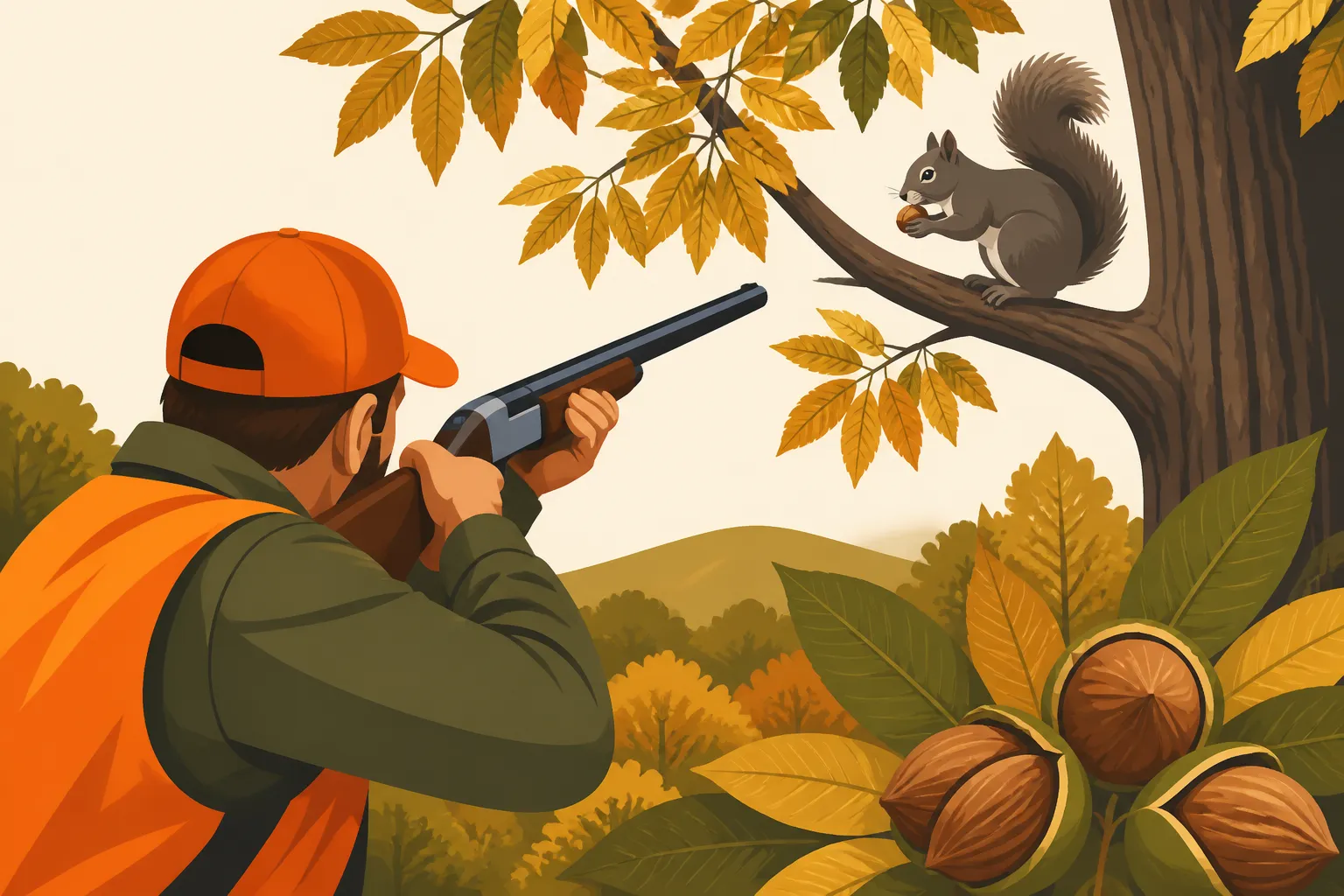
For many hunters in Alabama, the thought of squirrel hunting might bring back childhood memories, chasing bushy-tails through the woods with a .22 or a shotgun. But for those of us who have truly tried to consistently put squirrels in the pot, we know it's not always as simple as a walk in the park. Finding those elusive critters, especially the big fox squirrels, can be a real challenge if you're not in the right spot, and knowing how to approach a prime hickory grove can make all the difference. This guide is all about honing in on those sweet spots where hickory nuts drop and squirrels gather, giving you the best chance for a successful hunt.
Why Hickory Groves Are Prime Squirrel Habitat
When you're trying to figure out where squirrels are going to be, you have to think like a squirrel. Their world revolves around food, safety, and a good place to raise a family. In Alabama, especially through the fall and early winter, hickory groves check all these boxes, making them absolute magnets for both gray squirrels and the larger, more cautious fox squirrels.
The Irresistible Bounty of Hickory Nuts
Let's be honest, if you put a plate of gourmet food in front of us, we'd probably stick around too. For squirrels, hickory nuts are that gourmet meal. These nuts are packed with calories and fat, essential for squirrels to build up their winter reserves. Unlike acorns, which are a staple but can vary in tannin content, hickories are consistently rich and sought after. When hickories start to drop, typically from late summer through the fall, every squirrel in the vicinity takes notice. You'll find them not just eating, but actively caching these nuts for later, which means they'll be spending a lot of time on the ground and in the trees around the grove. This intense feeding and caching behavior makes these areas incredibly active, and if you're wondering how early season squirrels give themselves away, their frantic activity in these groves is a dead giveaway.
Optimal Cover and Nesting Opportunities
Beyond the food, hickory groves often provide excellent cover. These trees typically grow in mature hardwood forests, often mixed with oaks and other mast-producing trees. This creates a diverse canopy that offers protection from avian predators like hawks and owls. The gnarly bark and dense branching of older hickory trees also provide countless nooks and crannies for dreys (squirrel nests made of leaves and twigs) or tree cavities, which are ideal for winter shelter and raising young. A mature hickory stand, especially one with a good understory of smaller trees and brush, offers a perfect blend of food, cover, and refuge that keeps squirrels feeling secure and active. This combination of food and shelter is why you'll often see higher densities of both gray and fox squirrels in these specific areas, differing slightly from hunting the Alabama bottomland hardwoods, where food sources might be more varied.
Reading the Sign in a Hickory Grove
Walking into any patch of woods hoping for squirrels is like throwing darts blindfolded. To truly succeed, you need to learn to read the forest floor and the trees themselves, understanding the subtle clues that tell you where the squirrels are most active.
Shells, Cuttings, and Gnawed Nuts
The most obvious and direct sign that squirrels are active in a hickory grove is the presence of shell fragments. Squirrels are messy eaters, and they don't clean up after themselves. Look for piles of freshly chewed hickory nut shells, often in little mounds under prominent limbs or at the base of trees. These "cuttings" are the squirrel's equivalent of a dinner plate. The fresher the cuttings, the more recently a squirrel has been feeding there. Dry, old, weathered shells mean activity was there, but maybe not today. It's a key indicator of prime feeding zones. You'll notice differences in the size of the shell fragments too; smaller, more delicate fragments often point to gray squirrels, while larger, more robust pieces might indicate the work of a bigger fox squirrel. Using a tool like GoHunt's mapping system can help you identify these pockets of hardwoods when scouting, allowing you to mark potential hot spots before you even step foot in the woods with your rifle.
Visual Clues and Habitat Indicators
Beyond the shells, pay attention to the trees themselves. Look for signs of squirrels climbing: claw marks on the bark, especially on smooth-barked trees adjacent to hickories. Are there visible dreys in the branches? While a drey doesn't guarantee current occupation, multiple dreys in a concentrated area suggest a stable squirrel population. Also, observe the overall health of the hickory trees. Are they producing a good crop of nuts? Some years are better than others, and a strong mast year will concentrate squirrels even more. A great tip for Scouting Alabama public land before season is to pay close attention to the tree composition. If you see a lot of mature hickories mixed with white oaks, you’re likely in a high-activity zone. Even spotting a chewed-on mushroom can indicate squirrel activity, as they sometimes supplement their diet.
Tactics for Hunting Hickory Groves
Once you've located a promising hickory grove, your approach needs to be calculated. Squirrels are sharp-eyed and quick, and a careless hunter will send them scattering before they even know what happened.
Still-Hunting and Stalking
Still-hunting is perhaps the most rewarding method for hickory groves. It's an art of moving slowly, stopping frequently, and observing intently. Think of it like a slow-motion chess game with the squirrels. You'll take a few steps, then freeze for several minutes, scanning the trees and ground for any movement, listening for the telltale sounds of chewing, claws on bark, or falling nut fragments. Use binoculars to scan dense canopies. When you spot a squirrel, move slowly and deliberately to get into position for a shot, using trees and brush for cover. This method is particularly effective in the early morning or late afternoon when squirrels are most active. Remember, silence is your best friend. A good pair of soft-soled boots and a willingness to stop for five to ten minutes at a time is crucial. If you're hunting public land, still-hunting also helps you cover more ground effectively, sometimes allowing you to be successful by finding ground others walk past.
Stand Hunting from a Strategic Position
Sometimes, the best approach is to let the squirrels come to you. This is where stand hunting shines. Find a comfortable, concealed spot with a good view of several hickory trees that are actively dropping nuts. A small folding stool or a natural blowdown can serve as a perfect seat. Get there before daylight and wait for the woods to wake up. Squirrels will often move predictably from their dens to prime feeding areas as the sun rises. This tactic is especially productive if you've done your scouting and know a specific grove is a hotspot. Being still and patient allows the woods to settle down after your entry, and the squirrels will eventually resume their activities. A well-placed ground blind can also work wonders, especially if you can brush it in naturally to blend with the surroundings.
| Tactic | Best for | Key Advantages | Key Disadvantages |
|---|---|---|---|
| Still-Hunting | Covering ground, active squirrels | Highly engaging, allows for dynamic hunting | Requires extreme patience and stealth |
| Stand Hunting | Known hotspots, high squirrel traffic | Less physical, allows for observation | Requires pre-scouting, can be slow if squirrels aren't moving |
| Dog Hunting | Dense cover, locating treed squirrels | Exciting, efficient in thick areas | Requires well-trained dogs, noisy |
Essential Gear and Preparation for Hickory Hunts
Having the right gear and preparing adequately can make a squirrel hunt much more enjoyable and successful, especially when you're targeting specific areas like hickory groves.
Firearms and Ammunition Choices
For squirrel hunting, a .22 caliber rifle is a classic choice, and for good reason. Its accuracy, low recoil, and minimal noise make it ideal for precise headshots, which is key for preserving meat. Opt for solid-point .22LR ammunition. If you prefer a shotgun, a .410 or a 20-gauge with smaller shot sizes (like 6 or 7.5) can be incredibly effective, especially when squirrels are running through the branches or when hunting with dogs. The wider pattern offers a bit more forgiveness. A good pair of binoculars is also invaluable for spotting squirrels high in the canopy or identifying movement in dense foliage. Always double-check your Alabama squirrel season opening day and the Alabama squirrel daily bag limit before you head out, and ensure your chosen firearm adheres to local regulations.
Stealth and Comfort Essentials
Dressing appropriately is paramount. Layers are always a good idea in Alabama, as mornings can be chilly and afternoons can warm up quickly. Camouflage isn't strictly necessary but certainly helps, especially muted earth tones that blend with the forest. More important than pattern is quiet fabric that won't rustle loudly as you move. Comfortable, soft-soled boots are a must for silent walking, whether you're still-hunting or sitting patiently. Don't forget bug spray, especially in warmer weather. A small backpack with water, snacks, a game pouch or small cooler for your harvest, and maybe a small first-aid kit is always a good idea. Using mapping apps like GoHunt can be incredibly helpful for navigating dense woods and marking your progress or locating specific hickory groves you scouted earlier. Finally, don't overlook a reliable game processing knife – you'll want to clean your squirrels soon after the hunt to ensure the best table fare! If you're interested in broader details, our comprehensive guide on Squirrel and Small Game Hunting in Alabama might be a useful resource.
The Value of Scouting and Patience
A successful hunt starts long before you pull the trigger. Scouting is absolutely critical. Spend time in the woods before the season opens, identifying hickory groves, looking for fresh cuttings, and noting potential squirrel travel routes. Observe how squirrels move and where they spend their time. Understanding Alabama's squirrel harvest numbers over the years can also give you insight into population health, guiding your expectations. Patience, above all, is the most important tool in your arsenal. Squirrel hunting is often a game of waiting and observing. Whether you're still-hunting at a snail's pace or sitting motionless in a stand, giving the squirrels time to reveal themselves is what often leads to a full game bag. Remember, distinguishing between gray versus fox squirrels can also be important, as they sometimes exhibit different behaviors.
Disclaimer
Hunting is an inherently dangerous activity. Always prioritize safety, understand and follow all Alabama hunting regulations, and ensure you have proper training and licensing. This guide is for informational purposes only and does not replace professional instruction or local laws. Be aware of your surroundings and always practice ethical hunting.