Hunting the Zone 1 Youth Turkey Weekend
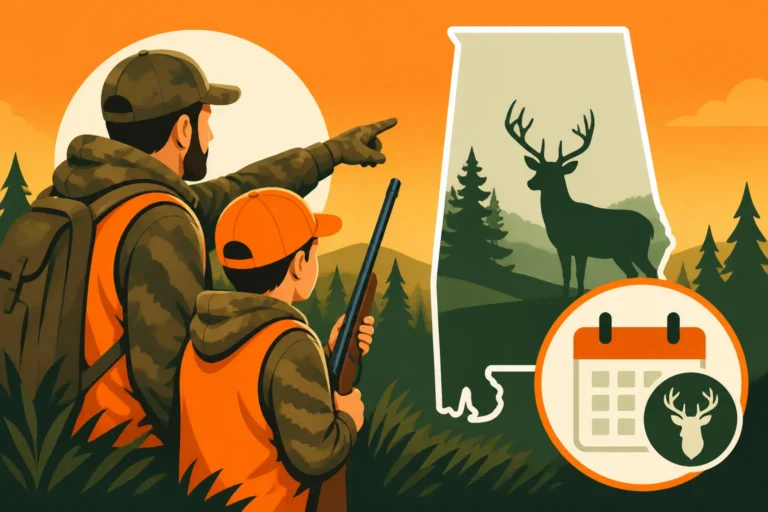
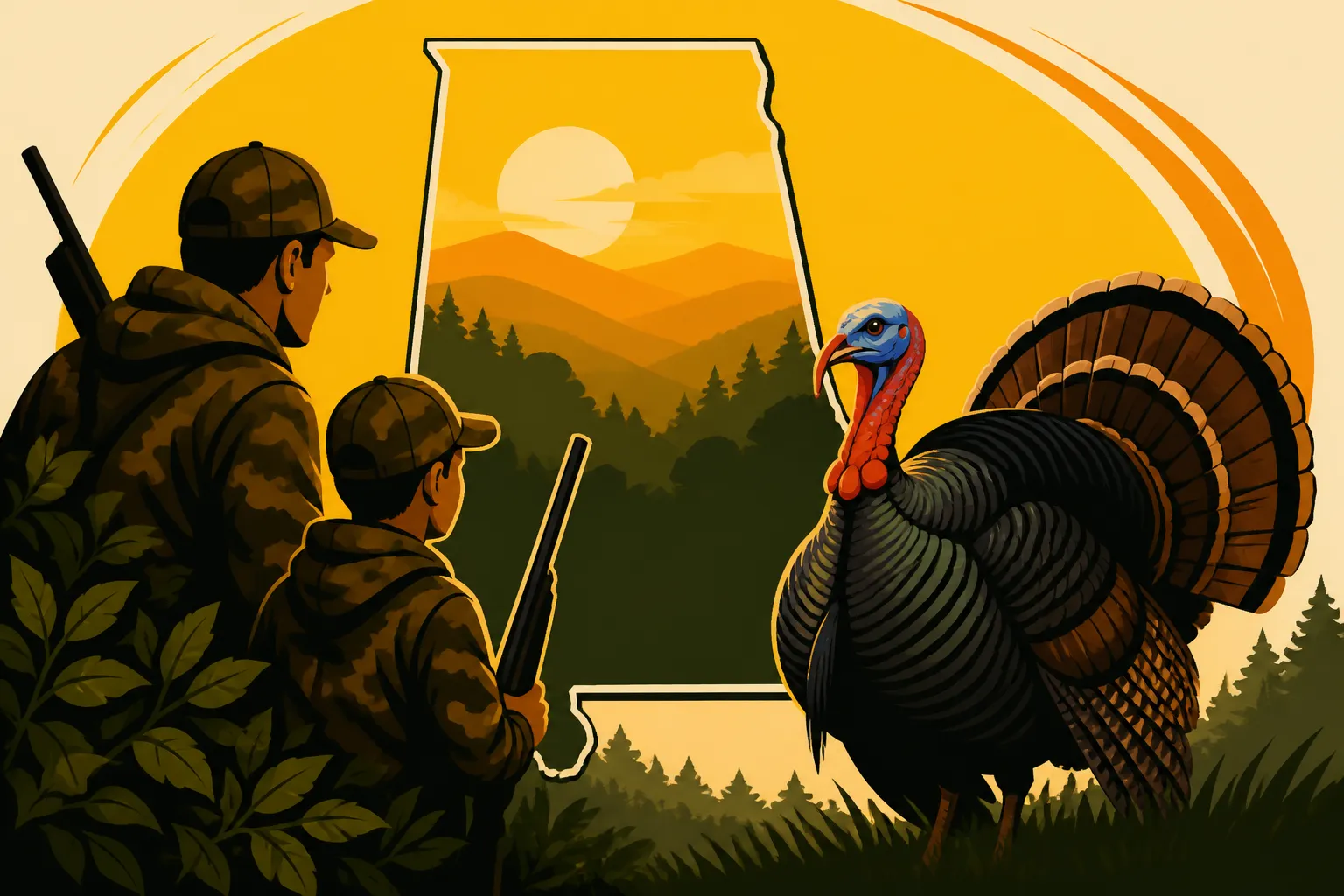
The Alabama youth turkey weekend in Zone 1 is a fantastic opportunity to introduce young hunters to the thrill of spring gobblers, but it comes with its own set of challenges, from understanding specific regulations to managing expectations in the field. It's not just about pulling a trigger; it's about fostering a love for the outdoors, teaching responsible hunting practices, and creating lasting memories. This guide will walk you through everything you need to know to make your Zone 1 youth turkey hunt a success, focusing on practical advice, thoughtful preparation, and realistic expectations for both the young hunter and the accompanying adult.
Understanding Alabama's Zone 1 Youth Turkey Season Rules
Navigating hunting regulations can feel like deciphering ancient texts sometimes, and the youth turkey weekend in Alabama's Zone 1 is no exception. It’s crucial to have a clear understanding of the rules to ensure a safe, legal, and enjoyable experience for everyone involved. Getting caught off guard by a regulation can quickly sour what should be a memorable trip.
Key Dates and Bag Limits for Young Hunters
The Zone 1 Youth Turkey Weekend is specifically designed to give young hunters a head start, often opening a week before the general statewide turkey season. This earlier window usually falls on the last weekend of March, providing a unique opportunity to pursue gobblers before they experience heavy hunting pressure. For instance, looking at recent seasons, this typically means the last Saturday and Sunday in March. It's always best practice to check the official Alabama Zone 1 Spring Turkey Opening Day dates each year through the Outdoor Alabama website or regulation digest, as dates can shift slightly.
For youth hunters, the bag limit generally follows the statewide rules: one gobbler or bearded hen per day, with a season limit of three. However, for many young hunters, just getting that first bird is the primary goal, so focus on the daily limit. This weekend is less about filling tags and more about the experience of the hunt itself, from calling to the final shot. It's a chance to build skills and confidence without the added pressure of maximizing the harvest. Remember, these are wild animals, and success isn't guaranteed, which is part of the challenge and reward.
Adult Supervision and Licensing Requirements
This isn't a "drop them off and pick them up" scenario. Youth hunting in Alabama comes with strict supervision requirements to ensure safety and proper guidance. Any youth under the age of 16 must be accompanied by an adult who is 21 years of age or older. This adult must possess a valid hunting license and be within normal voice contact of the youth at all times. This means no wandering off to check your phone while your young hunter is 50 yards away on a ridge. You're there to mentor, supervise, and be an active participant in their learning.
It's important to differentiate between general hunting license requirements and specific youth provisions. While the adult needs their license, depending on the youth's age, they might be exempt or qualify for an Alabama Apprentice Hunter License Rules. Children under 16 do not need a hunting license in Alabama, but that supervising adult is essential. This setup is fantastic because it emphasizes the mentorship aspect of hunting, passing down knowledge and traditions from one generation to the next.
Legal Hunting Hours and Equipment Considerations
Just like adult hunters, youth hunters must adhere to the legal hunting hours for turkey, which are generally from one-half hour before sunrise until sunset. This means those early mornings are part of the deal, often requiring you to be set up and ready to go well before first light. It's a good lesson in dedication and patience for young hunters.
When it comes to equipment, safety and proper fit are paramount. A youth-model shotgun, often in 20 gauge or even .410, with a shorter stock and lighter weight, is ideal. Recoil can be a major deterrent for new shooters, so minimizing it is key. Paired with appropriate turkey loads (like #5 or #6 shot), this setup allows for comfortable and effective shooting. Ensure the shotgun is properly patterned before the hunt so your young hunter knows its effective range. You don't want surprises when a gobbler finally steps into view. Beyond the firearm, remember the essentials: plenty of water, snacks, appropriate camouflage that blends into the early spring Alabama woods, and comfortable boots.
Key Tactics for Success on Youth Weekend
Youth weekend often presents unique challenges and opportunities. While the core principles of turkey hunting remain the same, adapting your approach for a young hunter and considering the typical conditions of an early season hunt can significantly increase your chances of success and, more importantly, create a positive experience.
Pre-Season Scouting and Roosting
The absolute best way to increase your odds is through diligent pre-season scouting. Knowing the land, identifying turkey travel corridors, feeding areas, and especially roost trees, is invaluable. This is where tools like GoHunt mapping apps can be a game-changer. You can use satellite imagery to identify potential roosting areas – often mature hardwoods near water or on prominent ridges. Spend time driving or walking these areas a few weeks before the season, listening for morning gobblers.
On the actual Friday before the youth weekend, try to locate birds on the roost. This involves getting into the woods around sunset and listening for gobblers sounding off as they fly up to their roosts. Knowing exactly where a bird is roosted gives you a massive advantage for a pre-dawn setup the next morning. However, be mindful not to disturb the birds or over-call. The goal is just to locate them, not educate them. For more in-depth scouting tips, you might find valuable information in our guide on Scouting Alabama Public Land Before Season.
Effective Calling Strategies for Youth Hunts
Calling a turkey in is an art form, and when hunting with a youth, simplicity and realism often trump aggressive, complex sequences. In early season Zone 1, birds might still be grouped up, and competition for hens might not be as intense as later in the spring. Start with soft, subtle calls – clucks, purrs, and soft yelps on a pot call or mouth call. The goal is to pique their curiosity, not scare them off with an overwhelming racket.
If a gobbler responds, gauge his interest. Is he coming closer, or just answering from afar? Teach your young hunter to listen carefully. Sometimes, a quiet approach and a well-placed decoy are more effective than constant calling. If you're on public land, remember that other hunters might be out, so being judicious with your calling can also help avoid drawing unwanted attention or educating birds too much. As the bird gets closer, coaching your young hunter on staying still, being patient, and knowing when to shoulder their gun becomes paramount.
Setting Up Smart and Safe
Your setup is critical for success and safety. With a young hunter, comfort and a clear line of sight are key. Ground blinds are an excellent option, especially for youth. They provide concealment, allow for some movement (which is often necessary for fidgety young hunters), and offer a stable shooting rest. Make sure the blind is brushed in naturally to break up its outline. Before sitting down, clear any debris from the shooting lanes and ensure you have a safe backdrop for a shot.
Alternatively, if you're going the natural cover route, find a wide, sturdy tree that can conceal both you and the youth. Position yourselves so the youth has an unobstructed shot lane. Always ensure you have a clear understanding of where your decoys are placed in relation to your position and potential shooting angles. Decoys, especially a jake and hen, can be very effective in drawing a gobbler in close for an ethical shot. We cover more on proper setup in our piece on Setting Up Against a Big Oak.
Essential Gear and Preparation for Young Hunters
Hunting with a youth isn't just about the hunt itself; it's about the entire experience, and proper preparation is key to making it enjoyable and safe. A well-prepared young hunter is a confident hunter, and confidence is vital for success and enjoyment.
Shotgun Fit, Recoil Management, and Ammunition
As mentioned, a properly fitting shotgun is non-negotiable. A gun that's too big, too heavy, or kicks too hard can create a negative experience that turns a young person off hunting for good. Look for youth models in 20-gauge or .410. These often have shorter lengths of pull and lighter overall weights. If using a standard 12-gauge, consider a youth stock kit or a recoil pad extension to shorten the pull and absorb some of the kick.
Recoil management goes beyond gun fit. Practicing at the range is crucial. Start with lighter target loads before moving to heavier turkey loads. This builds muscle memory and confidence without the initial discomfort. Ensure your young hunter understands how to properly shoulder the gun and absorb recoil. When it comes to ammunition, modern turkey loads, often with heavier shot sizes like #5 or even #6, are incredibly effective in a 20-gauge at ethical ranges (typically 25-35 yards). GoHunt and other reputable outdoor brands often have great resources for patterning different loads. Knowing your effective range is paramount to clean kills and prevents frustration.
Camouflage, Comfort, and Emergency Preparedness
Matching the season and environment with good camouflage is important, but comfort for a young hunter is even more so. Early spring mornings in Alabama can still be quite chilly, but by midday, it can warm up significantly. Dressing in layers is essential. Waterproof boots are a must, as are comfortable socks. A cushion or small ground chair can make long sits much more tolerable for a child.
Beyond clothing, think about the unexpected. A small backpack with snacks, water, a basic first-aid kit (band-aids for scrapes, antiseptic wipes), insect repellent (especially as the day warms up), and perhaps a small book or game for quiet times can be invaluable. A fully charged phone (in a waterproof case) for emergencies and communication, along with a compass or GPS (or the GoHunt app for navigation), are critical safety items, especially if venturing into larger public tracts like the Black Warrior WMA which sits within the Bankhead National Forest. Always tell someone where you're going and when you expect to return.
| Item | Purpose | Notes |
|---|---|---|
| Youth Shotgun (20ga) | Appropriate fit, reduced recoil | Patterned with turkey loads (e.g., #5 or #6 shot). |
| Camouflage Clothing | Concealment, layering for temperature changes | Consider warmth for early mornings, breathability for warmer afternoons. |
| Comfortable Boots | Foot protection, warmth, waterproofing | Essential for walking and sitting in potentially damp woods. |
| Ground Blind | Concealment, comfort, reduced movement for youth | Brushed in naturally, provides stable shooting rest. |
| Turkey Decoys | Attract gobblers into range | Jake and hen combination often effective. Place for clear shot. |
| Pot Call/Mouth Call | Calling turkeys (soft yelps, clucks, purrs) | Simple, realistic calls are best for early season and young hunters. |
| Small Backpack | Carrying essentials | Snacks, water, first-aid kit, insect repellent, rain gear, compass/GPS. |
| Hunting License | Required for supervising adult | Ensure it's current. Youth under 16 generally don't need one in Alabama. |
| Blaze Orange Hat/Vest | For walking in/out (not during actual hunt) | Safety when not actively hunting, especially on public land. |
| Ear Protection | Crucial for hearing safety during shooting | Muffs or plugs; electronic hearing protection is a bonus for hearing calls. |
Instilling Safety and Ethical Hunting Principles
This is perhaps the most important aspect of preparation. Before you even leave the house, review firearm safety rules: ALWAYS keep the muzzle pointed in a safe direction, ALWAYS assume every gun is loaded, ALWAYS keep your finger off the trigger until ready to shoot, and ALWAYS be sure of your target and what is beyond it. Repeat them until they are ingrained. Teach your young hunter about shot placement for an ethical, quick kill. Emphasize that passing on a questionable shot is always the right decision.
Discuss the meaning of fair chase and respect for the animal. Explain that hunting isn't just about taking a life, but about being part of the ecosystem, understanding wildlife, and appreciating nature. This foundational teaching will shape their entire hunting career. Our guide on Alabama Hunter Education Requirements details the full scope of what new hunters should learn.
Making the Hunt a Positive Experience
The success of a youth hunt isn't measured solely by a harvested bird. It's about building memories, fostering a love for the outdoors, and instilling values that extend far beyond the woods. A positive experience can ignite a lifelong passion, while a negative one can extinguish it quickly.
Managing Expectations and Celebrating Small Victories
Let's be real: hunting can be tough, and turkey hunting with a youth often means extra challenges. Gobblers don't always cooperate, and long periods of sitting still can test anyone's patience, let alone a child's. It's vital to manage expectations for both yourself and the young hunter. Emphasize that just being in the woods, hearing a gobble, seeing other wildlife, or even just mastering a new call is a victory in itself.
If you hear a distant gobble but can't call him in, talk about why. If a bird hangs up at 70 yards, discuss what you might do differently next time. Every moment in the woods is a learning opportunity. If your young hunter gets restless, suggest a quiet snack break, point out tracks or interesting plants, or simply enjoy the peaceful silence. Remember, the goal is for them to want to go back out again, even if no feathers were lost on this trip.
Engaging the Youth Beyond the Shot
The hunt begins long before the shot and continues long after. Get your young hunter involved in every step. Let them help you pick out a spot on the GoHunt app for scouting. Have them practice calls at home. In the field, teach them how to read sign, identify different bird calls, or even help brush in the blind. If a bird is harvested, involve them in the process of field dressing, examining the bird's feathers and spurs, and even preparing the meat for the table. This complete experience gives them a deeper appreciation for the effort and connection to nature.
Consider what else you can do during the weekend. Maybe there's a nearby fishing spot you can hit, or a short hike to explore. Don't make it all about the turkey. Think about other activities that reinforce their connection to the outdoors. Maybe a post-hunt bonfire and camp stories, or reviewing trail camera photos from your hunting spot. The aim is to create a well-rounded outdoor adventure, not just a turkey mission.
Embracing the Mentorship Role
As the supervising adult, you are more than just a chaperone; you are a mentor, a guide, and a role model. Your patience, enthusiasm, and attitude will largely dictate the youth's experience. Be present, engage in conversation, and answer their questions, even the silly ones. Share your own hunting stories, both successes and failures, to show them that it's a journey of learning.
This is your opportunity to pass down a legacy, to teach respect for wildlife and the land, and to ensure the future of our hunting heritage. The memories forged during these youth hunts, whether a bird is harvested or not, will last a lifetime. So slow down, savor the moments, and cherish the privilege of sharing the Alabama woods with the next generation of hunters. Remember, for a lot of kids, it’s often their first true Calling an Alabama Gobbler Off the Roost experience, and that’s a big deal.
Disclaimer
Hunting is an inherently dangerous activity. Always prioritize safety, adhere to all local, state, and federal regulations, and obtain proper licenses and permits. The information provided in this guide is for informational purposes only and should not replace official hunting regulations or professional safety instruction. Always verify current season dates, bag limits, and licensing requirements with the Alabama Department of Conservation and Natural Resources (ADCNR).