Filling Two Unantlered Tags in Zone A
It can feel like a bit of a puzzle sometimes, holding onto those extra unantlered deer tags when your mind is already dreaming of a big rack. For hunters in Alabama's Zone A, managing those two unantlered deer tags is not just about filling the freezer, but also about playing a vital role in healthy herd management. This comprehensive guide is here to unravel the mystery and equip you with practical, down-to-earth strategies to confidently fill those two unantlered tags in Zone A, ensuring a successful and rewarding season.
Understanding Alabama's Zone A Unantlered Deer Regulations
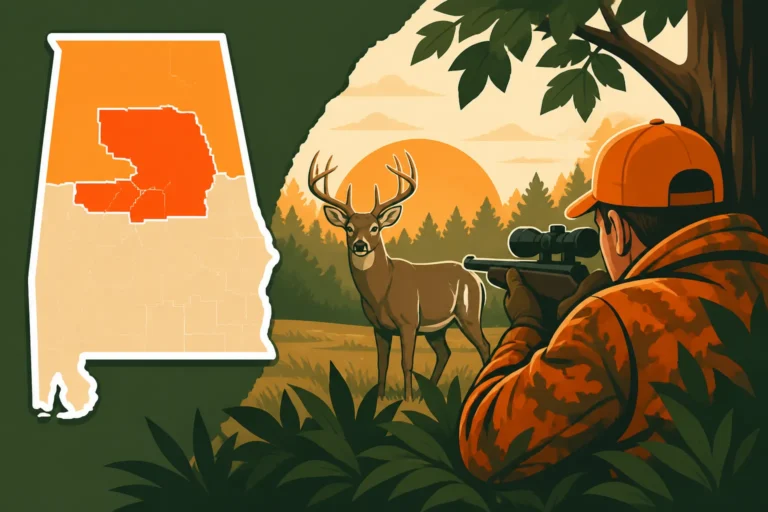
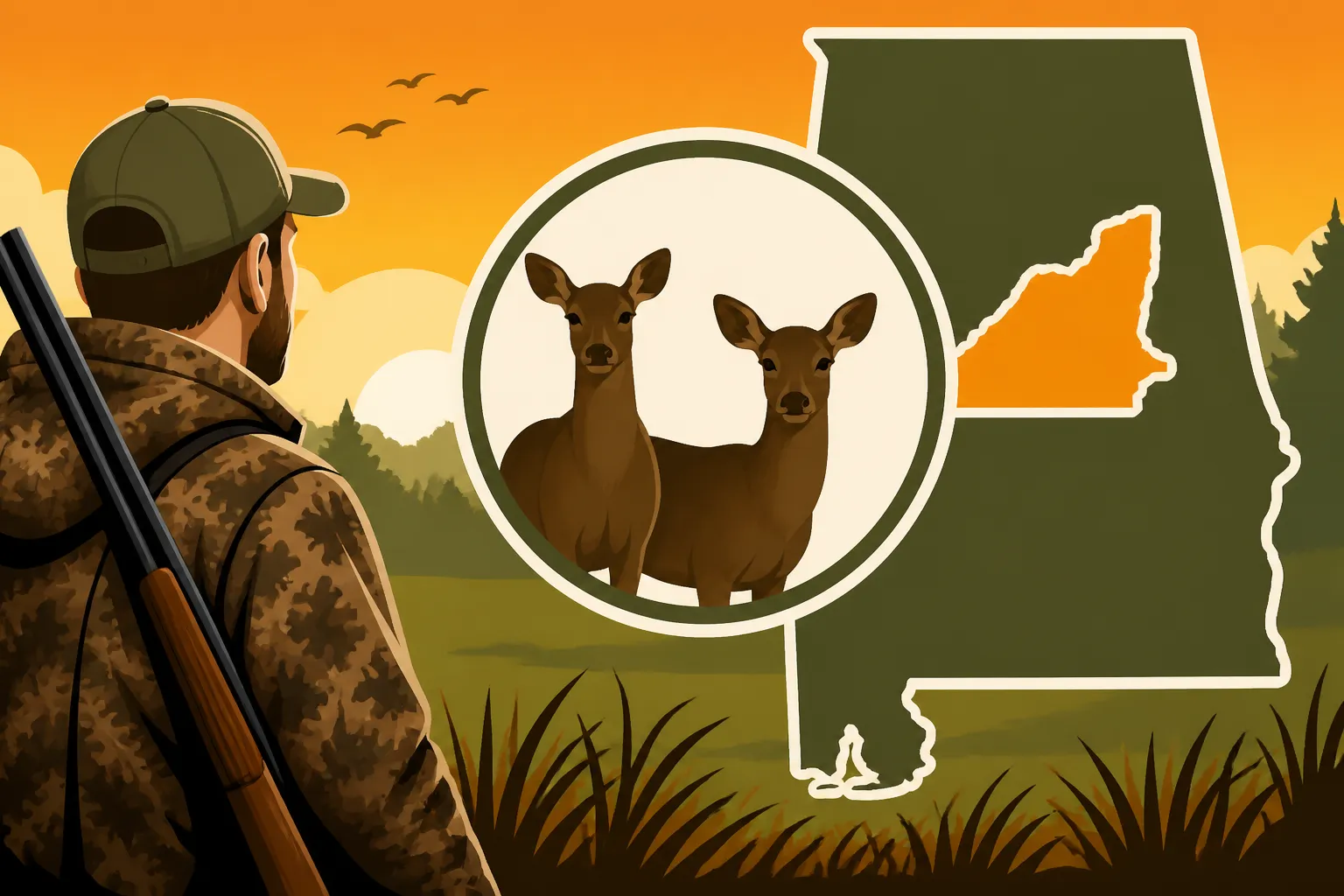
First things first, let's get a handle on what those unantlered tags actually mean for you in Zone A. Alabama's deer season structure can feel like a maze, but understanding your specific zone is key to success and staying legal. Zone A, which covers a significant portion of the state, typically offers a generous bag limit for unantlered deer, often allowing for multiple takes per day during specific windows. This isn't just a bonus for your dinner table; it's a strategic move by wildlife biologists to help manage the deer population, balance buck-to-doe ratios, and maintain herd health.
Why Unantlered Tags Matter for Herd Health
You might wonder why the state wants you to take does. Well, in many areas, particularly where habitat is rich, doe populations can outgrow the carrying capacity of the land. Too many deer can lead to overbrowsing, which damages habitat for all wildlife, including deer themselves. It can also lead to increased disease transmission, like EHD, and a decline in overall deer quality. By taking unantlered deer, you're directly helping to balance the herd, reduce competition for food, and allow bucks to mature with better antler potential. It’s all part of a larger picture to ensure robust deer populations for generations to come. This is especially true for Zone A, where certain areas can see very high deer densities.
Navigating Specific Zone A Limits and Season Dates
The beauty of Alabama's regulations is also their complexity. While Zone A generally allows two unantlered deer per day during the either-sex gun season, there are always nuances to consider, especially concerning public lands or specific WMAs within Zone A. Always double-check the current year's Alabama Gun Season Dates by Zone and the specific WMA regulations if you're not hunting private land. Typically, the either-sex season runs for a substantial portion of the gun season, allowing ample opportunity. Don't forget the reporting requirements either; every deer harvested, antlered or unantlered, needs to be reported through Game Check within 48 hours. This data is critical for biologists to monitor the herd and make informed management decisions for future seasons.
Strategic Scouting for Does in Zone A
Effective scouting is the bedrock of any successful hunt, and it's no different when targeting unantlered deer. While bucks get all the glory for their impressive racks, does are the backbone of the herd, and understanding their patterns, preferred habitats, and behavioral nuances is paramount. They often move in family groups and tend to be more predictable than solitary bucks, especially outside of the rut.
Identifying Doe Bedding and Feeding Areas
Does, especially matriarchs, are creatures of habit. They prefer secure bedding areas that offer thick cover for protection from predators and the elements, often close to reliable food and water sources. Look for dense thickets, overgrown clear-cuts, creek bottoms with heavy undergrowth, or even dense pine plantations that offer a sense of security. Identifying their primary food sources is equally important. In the early season, this might be acorns, soft mast, or agricultural fields like soybeans or peanuts. As the season progresses into late fall and winter, does will key in on persistent food sources such as green fields, winter wheat, clover plots, or even browse in mature timber after the mast crops are gone. Using tools like the GoHunt app can be incredibly helpful here, allowing you to scout aerial photos to identify these key features before you even step foot in the woods. You can mark potential bedding areas, travel corridors, and feeding sites, giving you a strong starting point.
Interpreting Doe Sign and Travel Corridors
When scouting on foot, focus on subtle signs that indicate regular doe movement. While rubs and large scrapes scream "buck," you're looking for different clues. Look for smaller tracks, often grouped together, indicating family units. Fresh droppings in clusters, especially near feeding areas, are a great indicator of consistent use. Pay close attention to trails leading from thick bedding cover to food sources. These trails will often be less disturbed than heavily rubbed buck trails, but still well-worn. Creek bottoms, fencerows, and the edges of dense cover can act as natural funnels where does prefer to travel. Don't underestimate the power of Reading Alabama Mud for Fresh Deer Movement; it can tell you exactly when and how many deer are using an area. Setting up trail cameras on these trails, especially near food plots or water sources, can confirm doe presence, establish movement patterns, and give you an idea of the best times to hunt.
Effective Hunting Tactics for Unantlered Deer
Once you've done your scouting homework and understand the patterns of unantlered deer in your Zone A hunting grounds, it's time to put those tags to good use. The tactics for does can sometimes be less complicated than chasing a wary old buck, focusing more on consistency and understanding their daily routines.
Still-Hunting and Stand Placement for Does
Still-hunting is a highly effective, often overlooked, method for filling unantlered tags, especially in areas with moderate to heavy cover. This involves moving slowly, deliberately, and quietly through the woods, pausing frequently to observe your surroundings. Does often rely on their excellent senses of smell and hearing, but if you can move silently into a feeding or bedding area, you might catch them off guard. Focus on winding through dense cover, along creek bottoms, or through areas with good visibility but also good escape routes for the deer.
For stand hunting, the key is consistency and scent control. Does, particularly mature ones, can be incredibly wary. Position your treestand or ground blind in locations that intercept their predictable travel routes between bedding and feeding areas. Consider a stand overlooking a prime food source like a Green Field Planted for Deer or a natural browse line in a hardwood bottom. Wind direction is paramount. Does will often circle downwind of food sources before entering, so plan your entry and exit routes carefully to avoid blowing your scent into their primary approach. Using a Ground Blind on Alabama Public Land can offer excellent concealment and warmth, especially during colder late-season hunts when does are driven to feed. The goal is to be invisible and odorless, allowing them to move naturally into your effective range.
Utilizing Deer Drives for Multiple Tags
When you've got multiple unantlered tags to fill and a group of willing hunting partners, a deer drive can be an incredibly efficient method, particularly on larger tracts of land. The premise is simple: a group of "drivers" walks through a block of cover, pushing deer towards "standers" positioned strategically on the downwind side or at escape routes. This can be especially effective for filling two unantlered tags because does often move in groups, and you might have multiple opportunities.
Successful Deer Drives With Three or Four Hunters require careful planning. Identify a block of cover where does are likely bedding, and then pinpoint natural escape routes like saddles, creek crossings, or property lines. Standers should be positioned high in trees or well-concealed, with clear shooting lanes. Drivers need to move slowly, keeping an even line, making some noise but not running wildly, pushing deer subtly rather than spooking them into a dead run. This method is often employed during the latter parts of the season when deer are grouped up and focused on limited food sources. Remember, safety is paramount during a drive; clearly communicate positions and shooting zones to everyone involved.
Timing Your Hunts for Success
Knowing when to hunt for unantlered deer can be just as important as knowing where and how. Deer behavior shifts throughout the season based on food availability, breeding cycles, and weather patterns. Capitalizing on these shifts will significantly increase your odds of success in Zone A.
Early Season Opportunities
The early season, typically opening with Alabama's Archery Season Dates, offers a fantastic opportunity to fill those unantlered tags before deer become heavily pressured. During these warmer months, deer are primarily focused on food and water. Natural food sources like acorns, persimmons, and agricultural crops are abundant. Does will often be moving in consistent patterns from bedding to these food sources in the late afternoon and early morning.
Hunting a standing soybean field or a flourishing clover plot can be particularly productive. Does are less wary at this time of year, often more visible during daylight hours. However, warm weather also means diligent Field Dressing a Deer in Warm Weather is crucial to preserve the meat. Plan your hunt around cooler mornings or evenings, and be prepared to process your deer quickly. These early windows are excellent for getting one or both unantlered tags filled with less competition from other hunters focused on bucks.
Late Season and Cold Front Advantages
As the season progresses, especially after the Alabama Rut by Zone has passed in your area, and certainly into the late season, does become a primary target. Food becomes scarcer, and deer, especially does and fawns, are driven to feed heavily to build up fat reserves for winter. This makes late-season food sources for Alabama Whitetails like green fields, standing corn, or browse in mature timber absolute magnets.
Cold fronts are your best friend during this period. When temperatures drop significantly, deer activity, particularly feeding, surges. They need to consume more calories to stay warm, forcing them out of cover and onto food sources during daylight hours. A harsh winter storm or a sudden dip in temperature after a warm spell can create exceptional hunting conditions. You might see multiple does moving together, making it easier to select a target and fill those tags. Don't be afraid to sit through a little chill; often, the colder it gets, the better the hunting for unantlered deer.
Utilizing Technology and Community Resources
In today's hunting world, leveraging technology and connecting with the hunting community can give you a significant edge when trying to fill your unantlered tags. It's not just about gear; it's about information and efficiency.
Mapping Apps and Online Resources
Modern mapping applications have revolutionized how hunters scout and plan their trips. Services like GoHunt allow you to overlay property lines, topographic maps, satellite imagery, and even public land boundaries directly onto your phone or computer. This is invaluable for identifying potential bedding areas, judging distances for stand placement, and understanding the lay of the land without having to physically trespass or spend countless hours on foot. You can mark specific trees, water sources, or funnels that does are likely to use, creating a detailed plan of attack. Many apps also show recent aerial photos, helping you spot new clear-cuts or changes in vegetation that might attract or hold does. This digital reconnaissance saves time and significantly improves your chances of encountering deer.
The Power of Local Knowledge and Hunter Networks
While technology is great, don't underestimate the power of human connection. The Alabama hunting community is tight-knit, and local knowledge can be priceless. Talk to landowners (if you have permission), fellow hunters at the local feed store, or members of your hunting club. They might share insights on deer patterns, particularly where doe groups tend to congregate or which food sources are hot at certain times of the year.
Joining a hunting club, even if it's primarily for deer, can offer access to larger tracts of land with a higher deer density. Many clubs actively encourage members to harvest unantlered deer as part of their management strategy, making it easier to fulfill your tags. Remember to always be respectful and contribute to the community. Shared knowledge, within ethical bounds, can lead to more successful hunts for everyone, helping to manage the overall Alabama Deer Herd Size effectively.
| Season Period | Typical Doe Behavior | Recommended Tactics | Prime Locations | Weather Impact |
|---|---|---|---|---|
| Early Season (Bow) | Consistent patterns, focused on food/water, less wary. | Stand hunting, still-hunting, scent control. | Acorn flats, fruit trees, early green fields, water holes. | Warm, focus on cooler mornings/evenings. |
| Pre-Rut (Early Gun) | Still pattern-oriented, starting to be influenced by early buck movement. | Stand hunting near bedding/feeding, light rattling (bucks) might draw does. | Edge of thickets, food plots, transition areas. | Moderate, post-front movements good. |
| Peak Rut | Less predictable, scattered due to buck activity. | Ambush pinch points, funnels, travel corridors, still-hunting. | Creek bottoms, ridge-top saddles, clear-cut edges. | Any, but cold snaps increase activity. |
| Post-Rut (Late Gun) | Grouped up, highly focused on available food, trying to recover. | Stand hunting over primary food sources, deer drives, thermal hunting. | Late-season food plots, standing crops, browse in dense cover. | Cold, windy, snow/ice (if any) significantly increase movement. |
Disclaimer
Always consult the current Alabama Department of Conservation and Natural Resources (ADCNR) hunting regulations before heading into the field. Regulations can change annually, and local rules, especially on Wildlife Management Areas (WMAs), may differ from statewide regulations. Stay safe and hunt ethically.