Crossbow Rules During Alabama Archery Season
The world of hunting regulations can feel like a tangled thicket, and for many Alabama hunters, the rules around crossbows during archery season are a prime example. It's frustrating to want to expand your hunting opportunities, only to be met with conflicting information or vague guidelines. This guide is here to untangle that confusion, providing clear, detailed information about exactly how and when you can legally use a crossbow to pursue deer and other game during Alabama's archery season.
Navigating Alabama's Crossbow Regulations
Let's cut right to the chase: Alabama has a very clear stance on crossbows. Unlike some other states that might restrict their use to specific age groups, those with physical disabilities, or only during certain portions of the archery season, Alabama largely integrates them directly into the traditional archery framework. This simplified approach is a huge benefit for many hunters, but it still requires understanding the nuances.
Crossbows Are Archery Equipment in Alabama
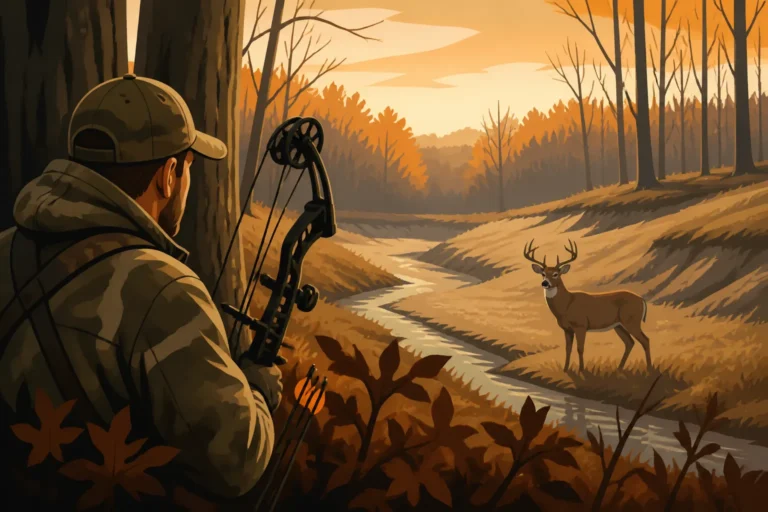
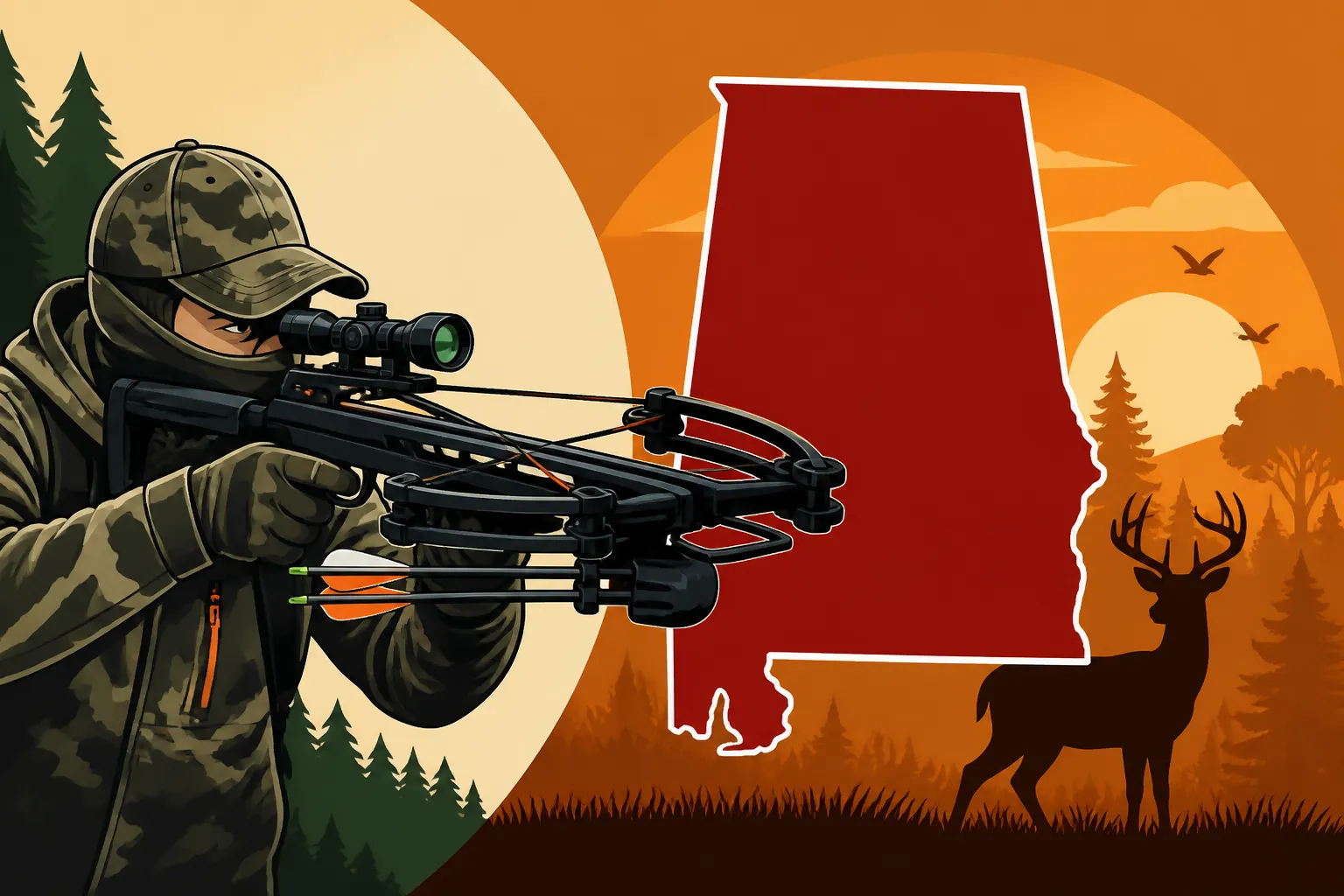
In the great state of Alabama, a crossbow is legally recognized as a piece of archery equipment. This isn't just a technicality; it's the foundation of how you can use one in the woods. What this means, first and foremost, is that if archery season is open, your crossbow is generally good to go. You don't need a special permit, a doctor's note, or a different hunting license than what's required for a compound or recurve bow.
This classification has direct implications for your hunting calendar. When Alabama's Archery Season Dates open, you can grab your crossbow right alongside your vertical bow-hunting buddies. The same goes for legal hunting hours, which typically extend from 30 minutes before sunrise to 30 minutes after sunset. You'll also find that the regulations concerning hunter orange requirements, game species you can hunt, and bag limits are consistent across all archery equipment types. This consistency is one less thing to worry about, allowing you to focus on scouting and hunting. For example, if you're trying to figure out how to hunt the rut in the southern zones, your crossbow allows you to participate fully in that experience during the designated archery periods.
Who Can Use a Crossbow in Archery Season
One of the beautiful aspects of Alabama's hunting regulations regarding crossbows is their inclusivity. There are no special age restrictions or physical impairment requirements to use a crossbow during the archery season. If you are a legal hunter with a valid Alabama hunting license, you are permitted to use a crossbow. This opens up deer hunting to a wider demographic, from younger hunters who might find a crossbow easier to master than a compound bow, to older hunters who may have physical limitations that make drawing a traditional bow challenging.
For youth hunters, this can be a fantastic entry point into the sport. Imagine a child, perhaps after completing their hunter education, eager to get into the deer woods. While pulling a high-poundage compound bow might be too much, a crossbow allows them to gain valuable hunting experience and confidence. This broad acceptance removes a barrier that exists in other states, promoting participation in our rich hunting heritage. There's no need to apply for any specific "crossbow permit" or prove a disability; if you've got your general hunting license, you're all set.
Specific Equipment Requirements for Crossbows
While crossbows are generally treated as archery equipment, there are still specific guidelines you need to follow to ensure your setup is legal and ethical. These requirements primarily revolve around the bolts (the arrows for a crossbow) and broadheads you use, ensuring they are suitable for humanely harvesting game animals.
First, let's talk about broadheads. Alabama's regulations stipulate that broadheads must have at least two sharpened edges. This means both fixed-blade broadheads and mechanical (expandable) broadheads are legal, as long as they meet the minimum cutting diameter requirements. For deer, the minimum cutting diameter for a broadhead is 7/8 of an inch. Whether you prefer the reliability of a solid three-blade fixed head like a G5 Montec or the wider cutting surface of a Rage mechanical, as long as it meets these criteria, you're good.
Regarding the bolts themselves, there are no specific minimum length or weight requirements outlined by the state, but common sense and manufacturer recommendations should always prevail. Using bolts that are too light or too short for your specific crossbow model can lead to safety issues and poor accuracy. As for accessories, things like magnified optics (scopes) and lighted nocks are generally legal on crossbows in Alabama. These can be incredibly helpful for precision shooting and game recovery, especially during low-light conditions. Always double-check any specific Wildlife Management Area (WMA) rules, as a few might have unique restrictions, but for statewide general use, these accessories are fine.
| Feature | Legal Archery Equipment in Alabama | Notes |
|---|---|---|
| Season Use | Yes, during statewide archery season | Crossbows can be used for deer and other legal game during the entire archery season, same as compound or recurve bows. No special dates or windows. |
| Hunter Eligibility | All licensed hunters | No age, physical disability, or special permit required. If you have a valid Alabama hunting license, you can hunt with a crossbow during archery season. |
| Broadheads | Yes, fixed or mechanical | Must have at least two sharpened edges and a minimum cutting diameter of 7/8 inch. |
| Bolts | Yes | No specific minimum length or weight, but use bolts appropriate for your crossbow model. |
| Optics | Yes, magnified scopes allowed | Scopes are legal on crossbows. |
| Lighted Nocks | Yes | Legal for enhanced visibility and recovery of game. |
| License Required | All-Game Hunting License | Same license required as for any other method of deer hunting (unless exempt). |
| Game Check | Required | Harvested deer must be reported via the Game Check system, just like any other deer. There is no special designation for crossbow kills. |
Practical Implications for Crossbow Hunters
Understanding the legal framework is one thing, but knowing how it actually translates to your time in the woods is where the rubber meets the road. Crossbows, while legally recognized as archery equipment, do offer some practical advantages and considerations that differ slightly from vertical bow hunting, and it's wise to be aware of them.
Understanding Archery-Only Zones
Alabama has various public and private lands that are designated as "archery-only" zones or specific hunting periods where only archery equipment is allowed. This is often done to manage hunting pressure, provide a different kind of hunting experience, or for safety reasons in more populated areas. Since crossbows are considered archery equipment, they are fully legal to use in these specific zones. This is fantastic news for crossbow hunters, as it expands the available hunting grounds and opportunities significantly.
For instance, many Wildlife Management Areas (WMAs) across the state have extensive archery seasons, and some even have specific archery-only periods or sections. Knowing this means you can confidently plan your hunts on public land. When scouting Alabama public land before season, you can look for areas designated for archery, knowing your crossbow is a viable tool. Beyond WMAs, some municipal areas near cities like Birmingham have established urban archery zones to manage deer populations, and these typically allow crossbows. Always check the specific regulations for any WMA or local ordinance you plan to hunt, as they can sometimes have unique rules that supplement state law.
License and Reporting Requirements
The simplicity of Alabama's crossbow rules extends to licensing and reporting as well. If you're using a crossbow to hunt deer, you'll need the same hunting license as any other deer hunter. For residents, this typically means an All-Game Hunting License, unless you qualify for an exemption like the Senior License Exemption or are a youth hunter under specific conditions. Non-residents will need to acquire the appropriate non-resident license. There are no special endorsements or additional fees specifically for crossbow use. You can typically purchase your license directly from the Outdoor Alabama website, by phone, or from authorized license vendors. Carrying proof of your license on your phone is convenient and generally accepted.
Once you've successfully harvested a deer with your crossbow, the reporting process is identical to that of any other method. Alabama requires all harvested deer to be reported through the Game Check system within 48 hours. This can be done online via the Outdoor Alabama website or through their mobile app. You'll need to provide information such as the county of harvest, date, sex of the deer, and the type of antler points (if any). There's no specific box to check for "crossbow"; you simply report it as an archery harvest. This data is crucial for wildlife biologists to monitor deer populations and make informed management decisions, so prompt and accurate reporting is essential for all hunters.
Common Misconceptions and Clarifications
Despite the clear regulations, several misconceptions about crossbows persist, often stemming from rules in other states or personal opinions about hunting ethics. One of the most common myths is that crossbows are "too easy" or give an unfair advantage, leading some to believe they should have stricter regulations than vertical bows. In Alabama, the wildlife agency has determined that a crossbow falls firmly within the definition of archery equipment, and its use is integrated accordingly. The skill set required is different from a compound bow, certainly, but it still demands discipline in scouting, judging distance, and making an ethical shot.
Another misconception is that crossbows have a significantly longer effective range than compound bows, blurring the line with firearm hunting. While crossbows can be highly accurate, the effective ethical range for most hunters still falls within the typical archery parameters – usually under 50-60 yards for deer, depending on the shooter's proficiency. Beyond that, the energy of the bolt drops, and the margin for error increases, making clean, humane kills less likely. Ethical hunters using crossbows understand and respect these limitations, just as they would with any other hunting tool. It's about shot placement, not just projectile speed. Whether you're rattling and grunting in Alabama or still-hunting Bankhead Forest ridges, your approach to getting close and making an ethical shot remains paramount.
Maximizing Your Success with a Crossbow in Alabama
Having a legal crossbow and knowing the rules is just the starting point. To truly excel and make the most of your Alabama archery season, you'll want to think about specific strategies that leverage the advantages of a crossbow while mitigating any potential drawbacks. It's about becoming a better, more prepared hunter, regardless of your chosen weapon.
Scouting and Stand Placement Considerations
Effective scouting is the bedrock of any successful hunt, and it's especially true for crossbow hunting. While a crossbow can offer a steadier aim and potentially a slightly longer ethical range than some traditional bows, you're still hunting an animal within close quarters. This means paying meticulous attention to deer sign, travel corridors, and bedding areas. When you're out there, look for fresh rubs, scrapes, and tracks. Identify natural funnels between bedding and feeding areas, creek crossings, and changes in topography that deer might use to navigate. Tools like the GoHunt app can be incredibly useful for analyzing aerial photos and topo maps to identify these key areas before you even step foot in the woods.
When it comes to stand placement, remember that while your effective range might be 40-50 yards, a closer shot is always better for a cleaner kill. Focus on setting up within 20-30 yards of expected deer travel. This means considering wind direction, entry and exit routes to your stand, and the sun's position. Because crossbows can be a bit bulkier than vertical bows, ensure your stand offers enough room for comfortable maneuvering and an unobstructed shot lane. For example, if you're hanging a stand on a Talladega ridge, consider how the natural contours and prevailing winds might influence deer movement and your shot opportunities. Clear shooting lanes are critical, as a bolt traveling through even small twigs can deflect significantly.
Maintenance and Practice for Crossbow Hunters
Just like any other precision hunting instrument, your crossbow requires diligent maintenance and regular practice to perform optimally. Don't let the "ease of use" reputation lead you to neglect these crucial steps. Crossbow strings and cables endure immense stress with every shot, so regular inspection for fraying or wear is essential. Many manufacturers recommend waxing the string periodically to extend its life and protect it from the elements.
Practice is paramount. While holding a crossbow steady for a shot might feel simpler than holding a compound bow at full draw, consistent accuracy still comes from repetition. Practice shooting from various positions you might encounter in the field – from your treestand, a ground blind, or even kneeling. Work on shooting at different distances to truly understand your crossbow's trajectory. Don't just practice with field points; make sure to shoot your hunting broadheads regularly to confirm they fly accurately with your setup. Broadheads can sometimes fly differently than field points, and you absolutely need to know how yours performs. For many, taking Alabama hunter education online is a great first step, but the real education comes from consistent, ethical practice.
Resources for Alabama Hunters
Alabama offers a wealth of resources for hunters, and knowing where to find reliable information can save you a lot of time and frustration. The Alabama Department of Conservation and Natural Resources (ADCNR) website, Outdoor Alabama, is your primary source for all official regulations, season dates, license information, and WMA rules. They update their regulations annually, so it's always smart to review them before each season begins.
Beyond the official state resources, there are numerous online forums, social media groups, and local hunting clubs where you can connect with experienced Alabama hunters. These communities can offer practical advice, share scouting tips, and help you understand localized deer behavior. When planning your trips, remember to check out resources on subjects like how Alabama's archery season runs into February, giving you a full picture of the extended opportunities available. Always cross-reference any informal advice with the official Outdoor Alabama regulations to ensure you're hunting legally and ethically.
Alabama Crossbow Hunting Quick Reference
| Category | Rule/Guideline |
|---|---|
| Legal Classification | Crossbows are considered legal archery equipment in Alabama. |
| Season & Zones | Permitted during the entire statewide archery season, including designated archery-only zones and WMAs. |
| Hunter Eligibility | All hunters with a valid Alabama hunting license can use a crossbow during archery season. No special permits, age limits, or disability requirements. |
| Broadhead Minimums | Must have at least two sharpened edges and a minimum cutting diameter of 7/8 inch. Both fixed and mechanical broadheads are legal. |
| Optics & Nocks | Magnified scopes and lighted nocks are generally legal. Always check specific WMA rules as some localized restrictions may apply (though rare). |
| Reporting | Deer harvested with a crossbow must be reported via the Game Check system within 48 hours, identical to reporting any other archery kill. |
| License | Standard Alabama All-Game Hunting License (or relevant non-resident license) is required. |
| Effective Range | While accurate, practice ethical shot distances (typically under 50-60 yards for deer) to ensure humane harvest. |
| Resources | Outdoor Alabama website (outdooralabama.com) and mobile app for official regulations, season dates, and WMA maps. |
Disclaimer
The information provided in this guide is for general informational purposes only and is not intended as legal advice. Hunting regulations can change, and it is the hunter's sole responsibility to consult the most current official Alabama Department of Conservation and Natural Resources (ADCNR) regulations and local ordinances before engaging in any hunting activity. Always confirm all season dates, bag limits, and equipment restrictions with official sources.