Hunting the Tennessee River Delta for Waterfowl
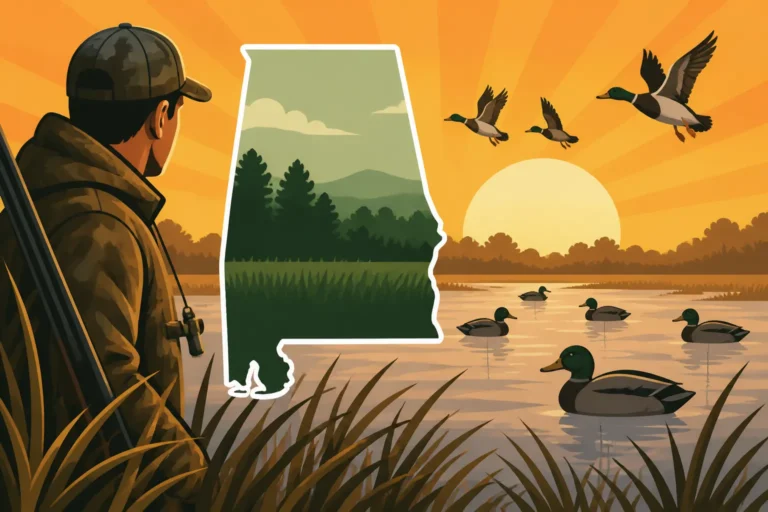
Hunting the Tennessee River Delta for waterfowl can feel like trying to find a needle in a haystack, especially with its sprawling waterways and ever-changing conditions. Many hunters feel overwhelmed by the sheer scale of the place, struggling to pinpoint where ducks and geese are holding, or what tactics might actually pay off. This guide is here to cut through that confusion, providing detailed strategies, essential tips, and specific insights to help you navigate and successfully hunt Alabama's renowned Tennessee River Delta for migratory birds.
The Allure of the Tennessee River Delta for Waterfowl
There's just something magical about a frosty morning in the Tennessee River Delta, the air crisp, the sky hinting at dawn, and the distant sounds of waterfowl echoing across the water. For many hunters, it's not just a place; it's an experience, a yearly pilgrimage to one of the most significant waterfowl staging and wintering areas in the Southeast. But what makes this vast region such a magnet for ducks and geese, and by extension, for us hunters?
Why the Delta is a Waterfowler's Paradise
The Tennessee River Delta isn't a single, uniform body of water; it's a complex tapestry of large reservoirs like Wheeler and Guntersville, interwoven with an intricate network of sloughs, backwaters, flooded timber, agricultural fields, and smaller tributary creeks. This incredible diversity in habitat is precisely what makes it so appealing to a wide array of waterfowl species. You've got deep, open water for divers, shallow flooded timber for dabblers, and vast grain fields for hungry geese. The sheer acreage of suitable habitat ensures that even with significant hunting pressure, there are always pockets where birds can find refuge and sustenance. It’s not uncommon to witness hundreds, if not thousands, of birds working a particular area on a good morning. This vibrant ecosystem, sustained by the Tennessee River itself, acts as a crucial stopover and wintering ground along the Mississippi Flyway, drawing in birds from as far north as Canada. The combination of abundant food sources, varied cover, and relatively mild winters makes it an irresistible destination for waterfowl.
Seasonal Migrations and Peak Opportunities
The waterfowl hunting season in the Tennessee River Delta is truly a game of timing, dictated by the major migration pushes that occur throughout fall and winter. While early season hunts can be productive for resident birds and early migrants, the real excitement usually begins when the first significant cold fronts sweep down from the north. These cold snaps act as nature's alarm clock, signaling to ducks and geese further north that it's time to move south. Typically, peak migration in the delta occurs from late November through January, though this can fluctuate year to year based on weather patterns.
You'll notice different waves of birds arriving. Early season might bring in more wood ducks and resident Canada geese, while mid-season sees a surge of mallards, gadwalls, wigeon, and various diving ducks. Later in the season, as the coldest weather really settles in, you might find concentrations of late-migrating green-winged teal or shovelers. Understanding these patterns is key to maximizing your success. For example, if you're targeting Mallards on the Tennessee River, the colder it gets up north, the better your chances. Keep an eye on weather forecasts not just in Alabama, but in states like Illinois, Missouri, and even as far as the Dakotas and Manitoba; sustained freezes there will often push birds directly to warmer climates like the Tennessee Valley.
Understanding the Delta's Unique Habitat and Waterfowl Species
To effectively hunt the Tennessee River Delta, you've got to think like a duck (or a goose, depending on your target!). This means intimately understanding the diverse habitats available and which species prefer what kind of real estate. It's a vast area, so narrowing down your focus based on habitat types is a smart move.
Diverse Habitats and How They Hold Birds
The Tennessee River Delta is a mosaic of different environments, each attracting specific waterfowl species. You'll find expansive open water areas, such as the main channels and large bays of the reservoirs, which are prime real estate for diving ducks like ringnecks, scaup, canvasbacks, and redheads. These birds prefer deep water where they can dive for submerged vegetation, mollusks, and aquatic insects. For hunters, this often means employing large spreads of diver decoys and being prepared for fast-flying birds.
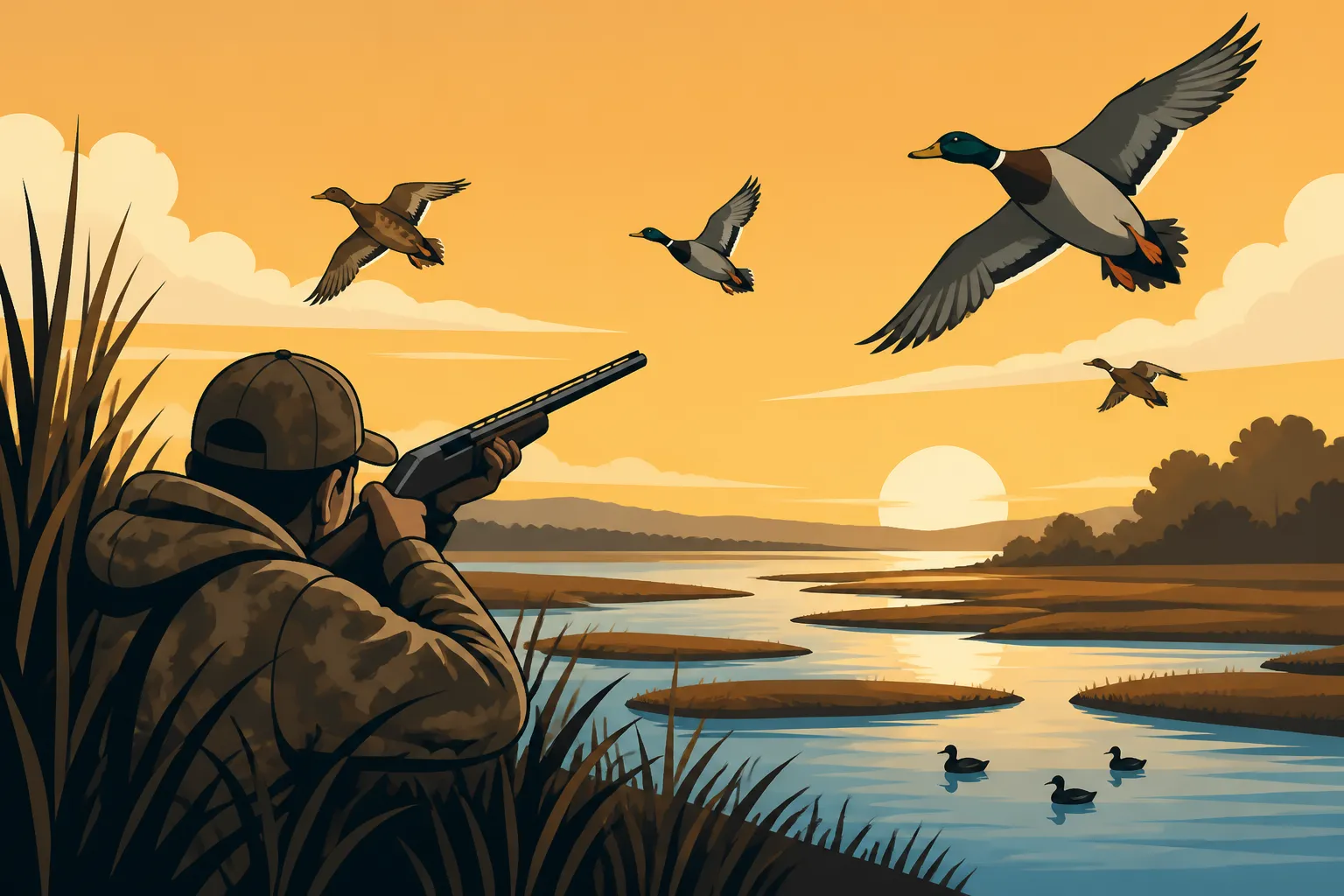
Moving away from the main river, you encounter countless sloughs, oxbows, and backwater areas. These shallower, often timbered or vegetated areas are ideal for dabbling ducks like mallards, gadwalls, wood ducks, and green-winged teal. These birds feed by "tipping up" to reach submerged vegetation, seeds, and invertebrates in shallow water. Hunting these areas might involve smaller decoy spreads, often in flooded timber or along brushy shorelines. For the best chance at success, particularly for species like Wood Ducks in Alabama River Swamps, look for areas with acorn-bearing oaks that have flooded, providing a natural food source.
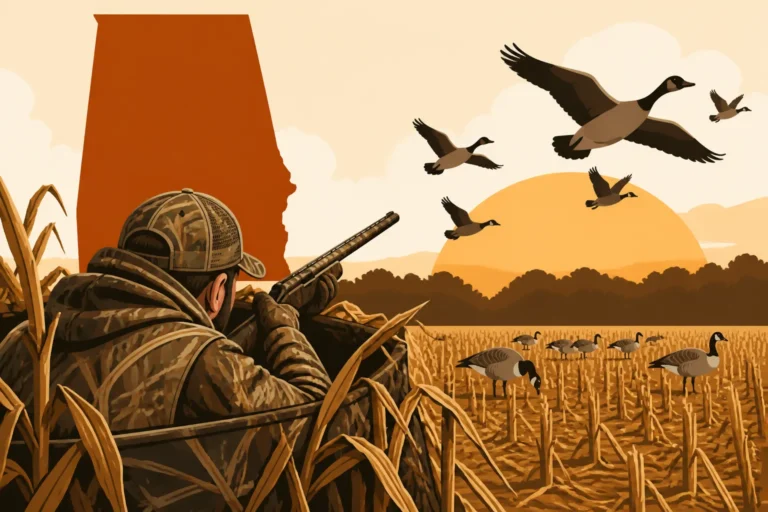
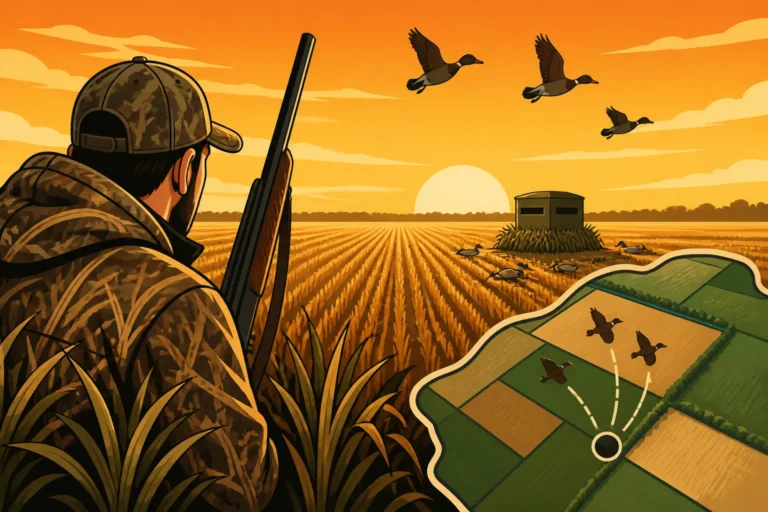
Finally, the delta also features extensive agricultural lands, particularly corn and soybean fields, which become major attractants for waterfowl, especially Canada geese and mallards, once harvested. These fields, whether flooded intentionally or by natural rainfall, offer a high-energy food source. Hunting these can require layout blinds and large spreads of field decoys, often simulating feeding geese. The key is to scout these fields relentlessly to identify where birds are actively feeding. GoHunt or similar mapping applications can be incredibly useful for pinpointing these agricultural tracts and understanding property boundaries, helping you identify potential hunting spots before you even set foot on the ground.
Primary Duck and Goose Species You'll Encounter
The bounty of the Tennessee River Delta means you could encounter a wide variety of waterfowl. Understanding the most common species will help you tailor your tactics and manage your expectations.
For ducks, the mallard is arguably king. Their distinctive green heads (on drakes) and loud quacks make them easily recognizable and a top target for many. They prefer shallow water, flooded timber, and agricultural fields. You'll also frequently encounter gadwalls, often called "gray ducks," which are excellent table fare and respond well to mallard calls. Wood ducks, with their iridescent plumage, are abundant, especially in timbered swamps and beaver ponds, and are often the first ducks to show up on the water in the morning. Don't forget the speedy green-winged teal, which arrive in large flocks and provide challenging shooting. Other dabblers like wigeon and shovelers are also present.
When it comes to divers, ring-necked ducks (often called "ringnecks") are common, found in larger, open water areas. You might also encounter lesser scaup (bluebills), and if you're lucky, a canvasback or redhead, though they are less numerous than ringnecks. Each of these divers has slightly different preferences, but generally, they stick to the deeper sections of the reservoirs.
For geese, Canada geese are the predominant species. While many are migratory, the Alabama Resident Canada Goose Population has grown significantly, offering hunting opportunities even outside the main migration windows. These birds are often found in large flocks, feeding in agricultural fields or resting on open water. Occasionally, you might encounter a snow goose or specklebelly (greater white-fronted goose), especially during strong pushes of northern birds. Knowing your targets, and their habits, is the first step to a successful hunt. Remember to always check the Alabama Duck Daily Bag Limit and other regulations before heading out.
Key Strategies for Successful Delta Waterfowl Hunting
Success on the Tennessee River Delta for waterfowl isn't just about showing up; it's about thoughtful planning and adapting your tactics to the specific conditions and bird behavior you encounter. This can be a challenging environment, but with the right approach, you can greatly increase your odds.
Decoy Spreads and Calling Tactics for Rivers and Backwaters
Effective decoy spreads are crucial in the delta, but they need to be dynamic, changing with the location and target species. For dabblers in shallow backwaters or flooded timber, a smaller, more realistic spread often works best. Think 1-2 dozen decoys, mostly mallards, with a few gadwalls or wood ducks mixed in for realism. Create a "landing zone" within your spread, leaving an open pocket of water where birds feel safe to land. Motion decoys, like spinning wing models or jerk cords, can be incredibly effective, especially on calm days, mimicking the look of actively feeding or landing birds.
On the main river or large bays where divers congregate, you'll need a much larger spread, often 3-5 dozen or more, mostly diver decoys like ringnecks or scaup. A classic "fish hook" or "J-hook" shape, with the bend facing downwind, provides an inviting path for divers to follow. Place a few dabbler decoys closer to your boat or blind if you expect mixed bags.
Calling is equally important. For mallards, a variety of quacks, greeting calls, and feeding chuckles can be irresistible. Don't overcall; let the birds tell you what they want. When working with ducks, a soft cluck or feed call might be all it takes to finish them. For Canada geese, deep honks, clucks, and moans can draw them in from a distance. If you're targeting specific species, using their unique calls, such as the whistle for wigeon or the growl for gadwalls, can also be highly effective. The key is to practice and read the birds' reactions. If they shy away, ease up on the call; if they seem interested, continue to work them.
Jump-Shooting and Pass-Shooting Techniques
Beyond traditional decoy hunting, jump-shooting and pass-shooting offer exciting alternatives, especially when birds are wary or conditions aren't ideal for setting a spread.
Jump-shooting involves stealthily moving along shorelines, sloughs, or small creeks, surprising ducks that are resting or feeding. This is particularly effective for species like wood ducks or green-winged teal that often hold in tight cover. The trick is to move slowly, quietly, and always be ready to shoulder your gun. A canoe, kayak, or small jon boat can be invaluable for navigating the shallow, brushy areas where jump-shooting excels. Focus on bends in the creek, brushy points, or small pockets of water tucked away from the main flow. When you spot birds, often they'll flush in a flurry, offering a quick but thrilling shot. Many hunters find great success jump-shooting Alabama Beaver Ponds for Wood Ducks after a rainfall.
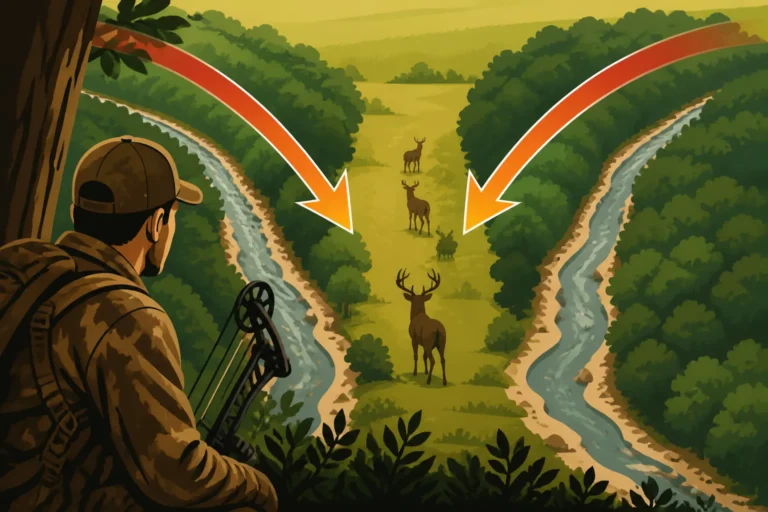
Pass-shooting involves positioning yourself along a known flight path between a roosting area and a feeding area. This often means hiding near timber breaks, along river channels, or on the edges of large fields where ducks and geese are consistently flying. It requires keen observation and knowing the general movement patterns of birds in your specific area. Decoys aren't typically used here, but a good blind or natural cover is essential. The shooting can be fast and challenging, as birds are often flying at high speeds and altitudes. This method shines during periods of heavy migration, or when birds are pressured and actively seeking new feeding grounds. Knowing how to use Wind and Thermals on a Piedmont Ridge can also apply to predicting flight paths along the delta's terrain, allowing you to position yourself effectively.
Hunting Flooded Timber and Agricultural Fields
Two of the most productive habitat types in the Tennessee River Delta are flooded timber and agricultural fields, each requiring specialized tactics.
Flooded timber hunting is classic Southern waterfowl hunting. When acorns drop and water levels rise, ducks, especially mallards and wood ducks, flock to these submerged woods to feed. The key is to find areas with good mast crops (oaks being paramount) that have standing water. Scouting for acorns on the ground before the flood, or visually identifying them hanging from branches, is crucial. Hunters typically set up either in natural cover against a tree or from a small boat or blind. Small spreads of mallard and wood duck decoys are effective, often scattered among the tree trunks to simulate feeding birds. Calling needs to be realistic and often subdued in the tight confines of timber. The biggest challenge can be finding legal access to flooded timber, as much of it is on private land. However, some public access areas offer these opportunities, so consult local WMA maps.
Hunting agricultural fields, particularly cut corn or soybean fields, is primarily a goose strategy, but can also be highly effective for mallards. These fields offer a readily available, high-energy food source that birds can't resist. Success here hinges on diligent scouting to determine which fields birds are actively using. Look for concentrations of droppings, tracks, and disturbed stubble. Once you've identified a hot field, setting up a spread of field decoys – full-body or shell goose decoys for Canada geese, or a mix of goose and mallard decoys for a mixed bag – is key. Layout blinds are almost a necessity for hunting open fields, providing excellent concealment. For example, when Layout Blind Hunting Delta Farm Fields, you want to blend seamlessly into the stubble, becoming invisible to circling birds. Calling should be aggressive yet realistic, focusing on feeding chatter and contented clucks to make your spread look like a safe haven. Always be mindful of the rules for hunting near private land and ensure you have permission before hunting any agricultural field.
Navigating Public Access and Regulations in the Delta
Hunting the Tennessee River Delta successfully requires not just knowing where the birds are, but also understanding where you're legally allowed to be and what rules you must follow. Alabama has specific regulations, and the sheer volume of public land, particularly around the National Wildlife Refuges, means careful planning is essential.
Public Lands and Access Points
The crown jewel of public waterfowl hunting in the Tennessee River Delta is undoubtedly the Wheeler National Wildlife Refuge. Spanning tens of thousands of acres across Limestone, Morgan, and Madison counties, Wheeler NWR offers diverse habitat, from open water to flooded agricultural fields. However, hunting within the refuge is highly regulated, often requiring quota permits or adherence to specific hunt zone rules and dates. It's crucial to check the Wheeler National Wildlife Refuge Hunting Rules directly with the refuge office or their website, as regulations can change annually. Some areas might be open for general waterfowl hunting, while others are strictly closed or require a special draw.
Beyond Wheeler, the Alabama Wildlife and Freshwater Fisheries Division manages various Wildlife Management Areas (WMAs) in the general vicinity that may offer waterfowl opportunities, though these are often smaller and more focused on other game. Utilizing resources like the Outdoor Alabama App can help you identify specific WMAs and their boundaries, as well as current regulations. Additionally, many areas along the main Tennessee River and its major tributaries, especially around public boat ramps and access points, provide opportunities for those hunting from a boat or setting up on small islands or sandbars. Knowing the Tennessee River Public Boat Access for Hunters is vital for navigating this expansive waterway. Always confirm land ownership using detailed maps or apps like GoHunt, which can show public and private land boundaries, preventing accidental trespassing.
Understanding Alabama's Waterfowl Zones and Rules
Alabama's waterfowl regulations are critical to understand to ensure a legal and ethical hunt. The state is divided into specific waterfowl zones, each with its own season dates. The Tennessee River Delta falls within one of these designated zones, and hunters need to be aware of the exact Alabama Duck Zone Rules and season openers. These dates can vary slightly from year to year, so always consult the current Alabama Hunting and Fishing Digest published by the Alabama Department of Conservation and Natural Resources (ADCNR).
Beyond season dates, there are crucial equipment and licensing requirements. All waterfowl hunters in Alabama, regardless of age, are required to possess a valid Alabama hunting license, a State Waterfowl Stamp, and a Federal Duck Stamp. Additionally, you must be Harvest Information Program (HIP) certified, which is a simple process indicating that you intend to hunt migratory birds. This is part of the Alabama Migratory Bird Certification process. These stamps and certifications directly contribute to waterfowl conservation efforts, so they're not just bureaucratic hurdles, they're investments in the future of the sport.
Another important rule to remember is regarding shot type: only non-toxic shot (e.g., steel, bismuth, tungsten-iron) is allowed for all waterfowl hunting. Lead shot is strictly prohibited to protect the birds and the environment. Also, there are specific rules regarding legal shooting hours, typically from 30 minutes before sunrise to sunset. Always keep an eye on the clock and respect these hours to avoid violations. Lastly, be aware of the specific Alabama Duck Daily Bag Limit and possession limits for each species. Exceeding these limits can lead to severe penalties.
| Duck Species | Preferred Habitat (Delta) | Calling Strategy | Decoy Spread (General) | Legal Bag Limit (Daily) |
|---|---|---|---|---|
| Mallard | Flooded timber, shallow backwaters, grain fields | Greeting calls, feed chuckles, excited quacks | 1-2 dozen, landing zone, motion | 6 (specific sex limits) |
| Wood Duck | Timbered swamps, beaver ponds, small creeks | Whistle, hen squeal (often no call, jump-shoot) | Few wood duck decoys, often in timber | 3 |
| Gadwall | Shallow vegetated water, sloughs | Mallard calls, soft growl/quack | Mixed with mallards, 1-2 dozen | 6 |
| Green-winged Teal | Shallow muddy flats, rice fields, small pools | High-pitched whistle, rapid short quacks | Small spread, often with teal decoys | 6 |
| Ring-necked Duck | Large open water, deep bays, main river channel | Minimal calling (diver-specific calls if any) | Large diver spread (2-5 doz), J-hook | 6 |
| Canada Goose | Agricultural fields, large open water, sandbars | Honks, clucks, moans (active calling) | Large field spread (2-4 doz), feeding | 5 (specific limits) |
Note: Always consult the current Alabama Hunting and Fishing Digest for the most up-to-date bag limits and regulations, as these can change annually.
Essential Gear and Scouting for Tennessee River Waterfowl
Having the right gear and putting in the legwork (or boat-work!) to scout effectively can make or break your Tennessee River Delta waterfowl hunt. This region presents unique challenges, from rapidly changing water levels to vast, sometimes confusing, terrain.
Must-Have Equipment for Delta Hunts
Hunting the Tennessee River Delta often means dealing with cold, wet, and sometimes unpredictable conditions. Your equipment needs to be up to the task. First and foremost, a reliable boat is often essential, whether it's a sturdy jon boat for navigating shallow backwaters or a larger rig for crossing open water on the reservoirs. Ensure your boat is properly registered and equipped with all required safety gear, including life jackets for everyone on board. A dependable outboard motor, along with a trolling motor, can make a huge difference in accessing remote areas quietly.
Beyond the boat, quality waders are non-negotiable. Whether you opt for chest waders or even a full dry suit for extremely cold weather, they need to be waterproof, durable, and comfortable enough for long hours in the water and mud. Layering clothing is also critical. Start with moisture-wicking base layers, add insulating mid-layers like fleece or down, and top it off with a waterproof and windproof outer shell in a suitable camouflage pattern. Don't forget insulated gloves, a warm hat, and waterproof boots to keep your extremities warm and dry.
A good set of decoys is obviously vital. For the delta, consider a diverse spread including mallards, wood ducks, and perhaps some gadwalls if you're targeting dabblers. If you're focusing on divers or geese, you'll need specific decoys for those species. Motion decoys, especially spinning-wing decoys or jerk rigs, can significantly enhance your spread's realism. For concealment, a portable blind, ghillie suit, or natural burlap material to blend into shoreline vegetation is important. Finally, a reliable shotgun (12-gauge is most common) and an ample supply of non-toxic ammunition (steel, bismuth, or tungsten) are paramount. Don't forget your hunting license, state and federal duck stamps, and HIP certification – having these readily accessible is a legal requirement.
Pre-Season and In-Season Scouting with Tools like GoHunt
Scouting is arguably the most critical component of consistent waterfowl hunting success in the Tennessee River Delta. Birds move constantly based on food availability, water levels, and hunting pressure. You can't just show up and expect to find them.
Pre-season scouting allows you to identify potential hotspots before the season even opens. Look for areas with abundant natural food sources like acorns in flooded timber, or exposed mudflats with smartweed and millet. Drive or boat along potential routes, looking for areas with good cover and easy access. Pay attention to water levels, as these can drastically change habitat availability. Apps like GoHunt are invaluable for this. You can overlay aerial imagery with public land boundaries and even identify topographical features that might create natural funnels or sheltered pockets for birds. Looking at historical satellite imagery within these apps can sometimes reveal old channels or field patterns that still influence bird movement.
In-season scouting is about confirming where the birds are right now. This means spending time observing from a distance before your hunt. Drive roads, watch from elevated points, or even use a quiet boat or kayak to paddle around the edges of likely areas at dawn or dusk. Look for large concentrations of birds, observe their flight patterns (where they're coming from and going to), and note where they're feeding or loafing. Pay attention to the types of birds you're seeing – are they dabblers or divers? Are they mostly geese? This information will dictate your setup, decoy spread, and calling strategy for the next hunt. For example, if you're seeing a lot of Canada Geese on Alabama Farmland, you know to focus on field hunting. GoHunt's mapping features can help you mark these observations, track bird movements over time, and plan entry and exit routes that minimize disturbance. Remember, thorough scouting, combined with adaptability, is the key to unlocking the delta's waterfowl potential.
Disclaimer
Hunting is an inherently dangerous activity. Always prioritize safety, adhere to all local, state, and federal regulations, and obtain proper landowner permissions. The information provided in this guide is for informational purposes only and does not supersede official hunting regulations or safety guidelines.