Alcohol Policies at Alabama Hunting Lodges
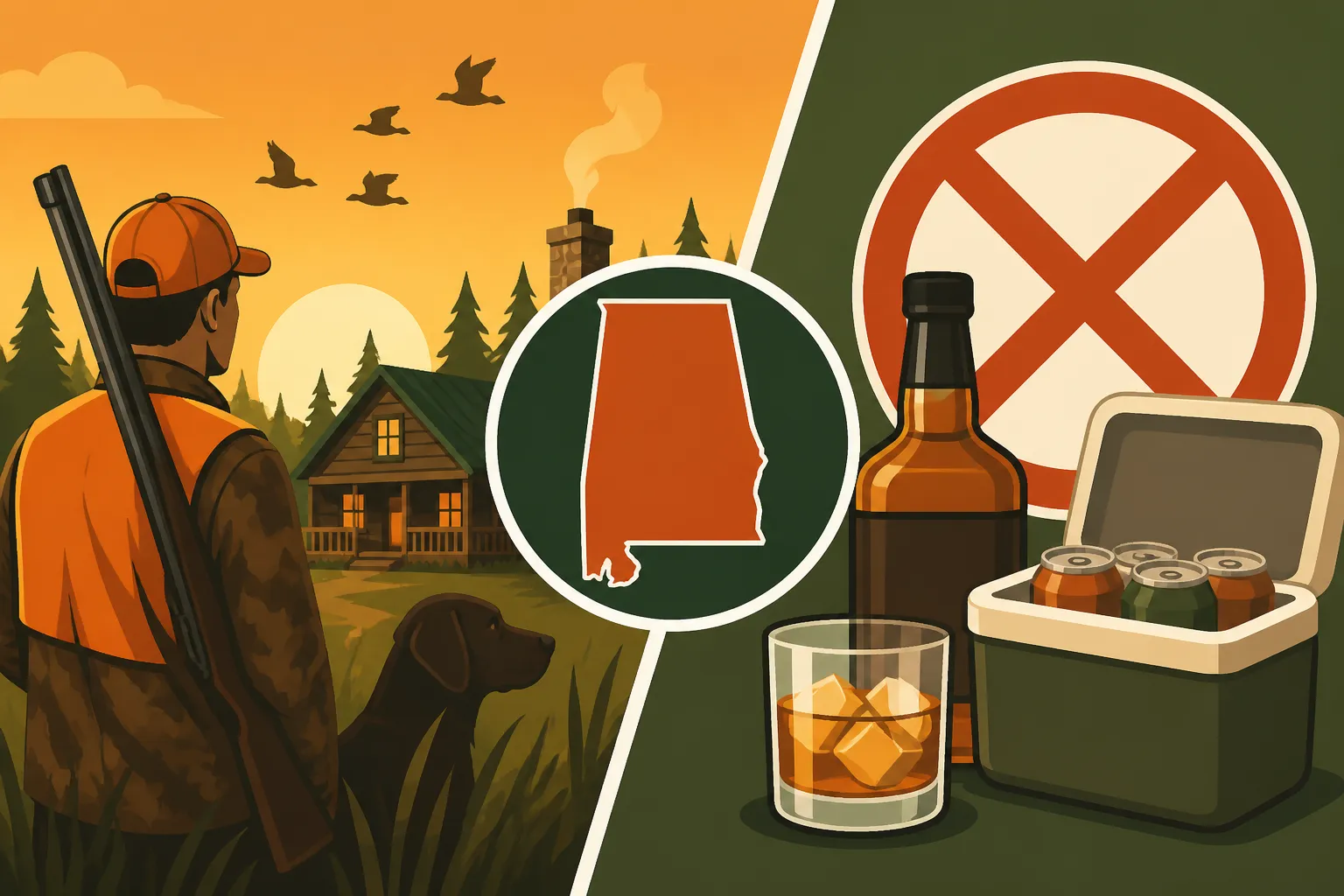
After a long day of chasing Alabama whitetails through the piney woods or calling gobblers in the swamp bottoms, many of us dream of unwinding back at the lodge. Maybe it’s a cold beer, a glass of bourbon by the fire, or sharing a celebratory toast with fellow hunters. But before you pack your favorite libations, it's really important to understand that alcohol policies at Alabama hunting lodges can vary wildly, leading to confusion or even awkward situations if you're not prepared. This guide is here to shed some light on what you can expect, what to ask, and how to navigate these policies gracefully, ensuring your hunt is as relaxing as it is successful.
The Spectrum of Alcohol Policies at Alabama Hunting Lodges
When you're looking at hunting lodges or booking a guided trip in Alabama, it's easy to assume that adult beverages are a given. After all, isn't part of the experience sharing stories over a drink? However, the reality is far more nuanced. Lodges operate under different business models, cater to diverse clientele, and have varying insurance requirements, all of which influence their stance on alcohol. Understanding this spectrum is the first step in avoiding any surprises.
Completely Dry Lodges and Their Rationale
Let’s start at one end of the spectrum: the completely dry lodge. You might be surprised to find these, especially if you're picturing a rustic, convivial atmosphere. But there are very valid reasons why a lodge might choose to prohibit alcohol altogether. Often, these are family-focused operations, perhaps catering specifically to youth hunts or those who prefer a strictly sober environment. For them, it’s about maintaining a particular atmosphere that aligns with their values and ensures safety for all guests, particularly younger hunters.
Another significant factor is insurance. The liability associated with alcohol consumption can be steep, and some smaller operations or those with a specific religious affiliation simply opt out to mitigate risk and keep their overhead manageable. Imagine a scenario where a hunter, after a few too many drinks, has an accident involving hunting equipment or an ATV. The legal ramifications can be devastating for a lodge owner. So, while it might not be what every hunter expects, a dry lodge often prioritizes safety and a specific family-friendly or serene environment. If you're using a platform like BookYourHunt to browse options, always check the "amenities" or "rules" section carefully for any mention of alcohol.
BYOB (Bring Your Own Bottle) and Associated Expectations
The BYOB model is probably the most common you'll encounter at Alabama hunting lodges, and it offers a good balance for many hunters. This setup means the lodge doesn't sell alcohol, but guests are welcome to bring their own. It’s a fantastic option because it allows you to enjoy your preferred drinks without paying lodge markups, and it encourages a more relaxed, communal vibe without the lodge needing a liquor license or extensive bar staff.
However, "BYOB" isn't a free-for-all. There are always unwritten, and sometimes written, expectations. The biggest one is responsible consumption. Lodges expect guests to be mature, respectful, and never overindulge, especially when firearms and hunting activities are involved. This also means understanding that your alcohol is for your consumption or to share responsibly among your group; it's not an open bar for everyone. Some lodges might provide coolers or fridge space, while others expect you to manage your own storage. Always inquire about these details beforehand. A good question to ask when booking is "Are there any designated areas for alcohol consumption, or specific times when it's discouraged, like before a morning hunt?"
Lodges with Cash Bars or Inclusive Drink Packages
At the other end of the spectrum are lodges that operate more like traditional hospitality venues, offering a cash bar or even including certain drinks in their package price. These are often larger, more upscale operations, particularly those known for their Booking a Black Belt Quail Plantation Hunt experiences or Alabama Lodge and Package Hunts. They have the necessary licenses, trained staff, and infrastructure to provide a full bar service.
This option offers the ultimate convenience. You don't have to worry about packing heavy bottles, keeping things cold, or running out. You can simply order what you like, often alongside a delicious lodge meal. The downside, of course, is the cost. Just like any restaurant or bar, you'll pay a premium for the convenience. Some lodges might include a certain number of drinks per day in an all-inclusive package, while others will charge per drink. It's crucial to clarify these details when you're comparing What a Guided Alabama Deer Hunt Costs against different lodge offerings. If alcohol is a significant part of your desired experience, a lodge with a cash bar or inclusive package might be worth the extra investment for the sheer ease it provides.
Asking the Right Questions Before You Book
You've done your research, maybe checked out a few options on GoHunt, and now you’re ready to call a potential lodge. This is not the time to be shy! Clear communication upfront will prevent any misunderstandings or disappointments once you arrive. Don't assume anything. A quick conversation can save a lot of headaches.
Specific Questions to Clarify Alcohol Policies
When you get a lodge representative on the phone or communicate via email, make sure to ask direct questions about their alcohol policy. Here's a checklist of things you should definitely cover:
- "What is your policy regarding alcoholic beverages for guests?" This open-ended question lets them explain their specific setup.
- "If it's BYOB, are there any restrictions on what kind of alcohol we can bring, or how much?" Some lodges might prefer beer and wine over hard liquor, or they might have limits on quantities to discourage excessive drinking.
- "Is there a corkage fee if we bring our own wine or spirits?" This is less common in hunting lodges than in restaurants, but it's not unheard of, especially if they provide glassware or mixing services.
- "Do you provide refrigeration or cooler space for guest beverages?" Knowing this helps you plan what to pack and whether you need to bring your own cooler.
- "Are there specific areas where alcohol consumption is permitted or prohibited?" This could be anything from a common lounge area to only within individual cabins.
- "Are there any specific times when alcohol consumption is discouraged or prohibited, particularly around hunting hours?" This is critical for safety and adherence to lodge rules, especially concerning Firearm Safety Rules on a Guided Group Hunt.
These questions demonstrate you're a responsible and considerate guest, which lodges appreciate. Getting these answers in writing, even if it's just a follow-up email confirming your conversation, is always a smart move.
Understanding Liability and Safety Disclaimers
Every hunting lodge, regardless of its alcohol policy, has a vested interest in the safety of its guests. When you book a hunt, you’ll often sign waivers or agree to terms that outline your responsibilities. These documents almost invariably touch on safety, especially concerning firearms, ATVs, and other equipment, and they often include clauses about alcohol.
It's common for lodges to explicitly state that they are not responsible for injuries or incidents that occur due to excessive alcohol consumption. They might also reserve the right to remove guests who become unruly or pose a safety risk to themselves or others. This isn't meant to scare you; it's simply good business practice. For your part, understanding these disclaimers means you accept responsibility for your actions. It reinforces the importance of moderation and respecting the guidelines set by the lodge. If you have any questions about Alabama Hunter Education Requirements or general safety practices, always address them with the lodge or your guide before heading into the field.
Researching Lodge Reviews and Reputations
Before you commit, take a moment to read online reviews, especially on hunting forums or booking sites like BookYourHunt. Past guests often share candid insights into the overall atmosphere, including aspects related to social etiquette and alcohol. While no one is likely to explicitly state "this lodge has a great drinking scene," you might read between the lines.
Look for comments that describe a "friendly social hour," a "relaxed atmosphere in the evenings," or "great camaraderie." Conversely, if reviews mention "strict rules," a "family-first environment," or a general lack of social buzz, it might be an indicator that alcohol isn't a central part of their guest experience. Consider asking the lodge for references from previous clients if you’re booking a high-value trip; this can provide deeper insights into the lodge’s culture and how they handle social aspects, including alcohol. Don't be afraid to ask about Getting References From Past Alabama Clients as part of your vetting process.
Navigating Lodge Culture and Maintaining Respectful Conduct
You've arrived at the lodge, you know the policy, and now it's time to settle in and enjoy your hunt. How you conduct yourself regarding alcohol can significantly impact your experience and your relationship with the lodge owners, guides, and fellow hunters. It’s all about fitting into the established culture and prioritizing safety and respect.
Adhering to Designated Consumption Areas and Times
Even if a lodge is BYOB friendly, there might be specific areas where drinking is encouraged or discouraged. Some lodges have a communal lounge, a fire pit area, or individual cabins where it's perfectly fine to enjoy a drink. Conversely, they might explicitly prohibit alcohol in the dining hall during meals, near the gun cleaning station, or certainly not in the field or during transport. Always observe these boundaries.
It's also important to respect the timing. Most lodges will have an unspoken, or sometimes explicit, rule about not drinking until after all hunting activities for the day are concluded and firearms are safely stored. This is common sense and critical for safety. You wouldn’t want to be the person who causes a safety concern for yourself or others by drinking before a morning hunt. Alabama Public Land Hunting Hours are typically well-defined, and private land operations will also have clear start and end times for hunting. Respecting these boundaries shows you're a serious and responsible hunter.
Respecting Fellow Hunters and Lodge Staff
A hunting lodge is a shared space, and your actions affect everyone. This is especially true when alcohol is involved. Be mindful of noise levels, especially late at night, as other hunters may need to get up before dawn. If you're staying in a cabin with others, always be considerate of their preferences and sleep schedules.
Your guides and lodge staff are there to ensure you have a safe and enjoyable trip. They work incredibly hard, often from before dawn until well after dark. Being respectful towards them, engaging in friendly conversation, and certainly not becoming demanding or difficult due to alcohol consumption, is paramount. Remember that Tipping Guides and Dog Handlers is customary, and your conduct throughout the trip will reflect on that gesture. Showing respect is just as important as the tip itself.
Prioritizing Safety: Never Hunt Under the Influence
This point cannot be stressed enough: never hunt under the influence of alcohol. Alabama law, like most states, strictly prohibits hunting while impaired. This isn't just about legality; it's about ethical hunting, personal safety, and the safety of everyone around you. Judgment, reaction time, and coordination are all severely impaired by alcohol, making the handling of firearms, climbing into treestands, or navigating rough terrain incredibly dangerous.
A hunting trip is an investment in time, money, and passion. Don't let a lapse in judgment jeopardize it. Enjoying a celebratory drink or two back at the lodge after the day's hunt is done and all firearms are secured is one thing. Doing so before or during a hunt is completely unacceptable and frankly, irresponsible. Lodges and guides take this very seriously, and rightfully so. Your guide has a responsibility to maintain a safe environment, and if they perceive you to be impaired, they will, and should, intervene.
Here's a quick reference table to help visualize the different types of lodge alcohol policies:
| Policy Type | Description | Pros for Hunter | Cons for Hunter | What to Ask |
|---|---|---|---|---|
| Dry Lodge | No alcohol permitted on premises at any time. | Family-friendly, very safe, peaceful atmosphere. | No celebratory drinks, might not suit social preferences. | "What's the atmosphere like in the evenings?" |
| BYOB (Bring Your Own) | Guests bring their own alcohol; lodge does not sell. | Cost-effective, enjoy preferred brands, relaxed. | Must plan ahead, manage storage, potential for over-indulgence. | "Is fridge space available? Any quantity limits?" |
| Cash Bar | Lodge sells drinks; typically a full bar with staff. | Convenient, variety of options, professional service. | Can be expensive, limited hours, might have a specific vibe. | "Are drinks included in the package, or is it cash bar pricing?" |
| Inclusive Package | Specific drinks (e.g., beer/wine) included in hunt price. | Ultimate convenience, fixed cost (within limits). | Limited selection, premium package cost. | "What specific drinks are included? Are there any daily limits?" |
By understanding these nuances and approaching your hunt with respect and an awareness of the lodge's specific rules, you can ensure a fantastic and memorable experience that’s safe, fun, and hassle-free for everyone involved. What to Pack for a Guided Alabama Hunt should definitely include clarifying any alcohol policies so you know exactly what to bring, or not bring, to make your trip enjoyable from start to finish.
Disclaimer
This article is for general informational purposes only and does not constitute professional advice. Laws, prices and regulations vary by location and change over time. Consult a qualified professional for guidance on your specific situation.