Weather Contingency Policies for Duck Guides
It’s a scenario every Alabama duck hunter dreads: you’ve meticulously planned your trip, maybe driven hours to the Tennessee River Delta or the Mobile-Tensaw, bought your license, and invested in a guided hunt, only to wake up to a forecast that spells disaster. Whether it's a dense fog advisory, an unexpected ice storm, or simply a bluebird day with no wind and zero ducks flying, unpredictable weather can quickly turn anticipation into disappointment and a significant financial hit. This guide will walk you through understanding and navigating the crucial, but often overlooked, weather contingency policies that duck guides in Alabama have in place, ensuring you know exactly what to ask and what to expect when Mother Nature decides to throw a curveball.
The Frustrating Reality of Weather and Duck Hunting in Alabama
Duck hunting, more than many other forms of hunting, is intimately tied to the whims of the weather. A perfect morning can quickly turn sour, or a challenging day can suddenly become epic with the right shift in atmospheric conditions. For hunters who've committed time and money to a guided experience, this unpredictability can be incredibly frustrating.
Why Duck Hunting is So Weather-Dependent
Ducks are creatures of instinct, and their behavior is heavily influenced by the elements. A cold front sweeping down from the north often means fresh birds on the move, flying low and eager to hit feed fields or sheltered water. Conversely, a high-pressure system, especially one accompanied by clear skies and no wind, can bring about what hunters often call "bluebird days"—beautiful for humans, but typically terrible for duck activity. The birds might sit tight, reluctant to fly, making for an incredibly slow morning in the blind.
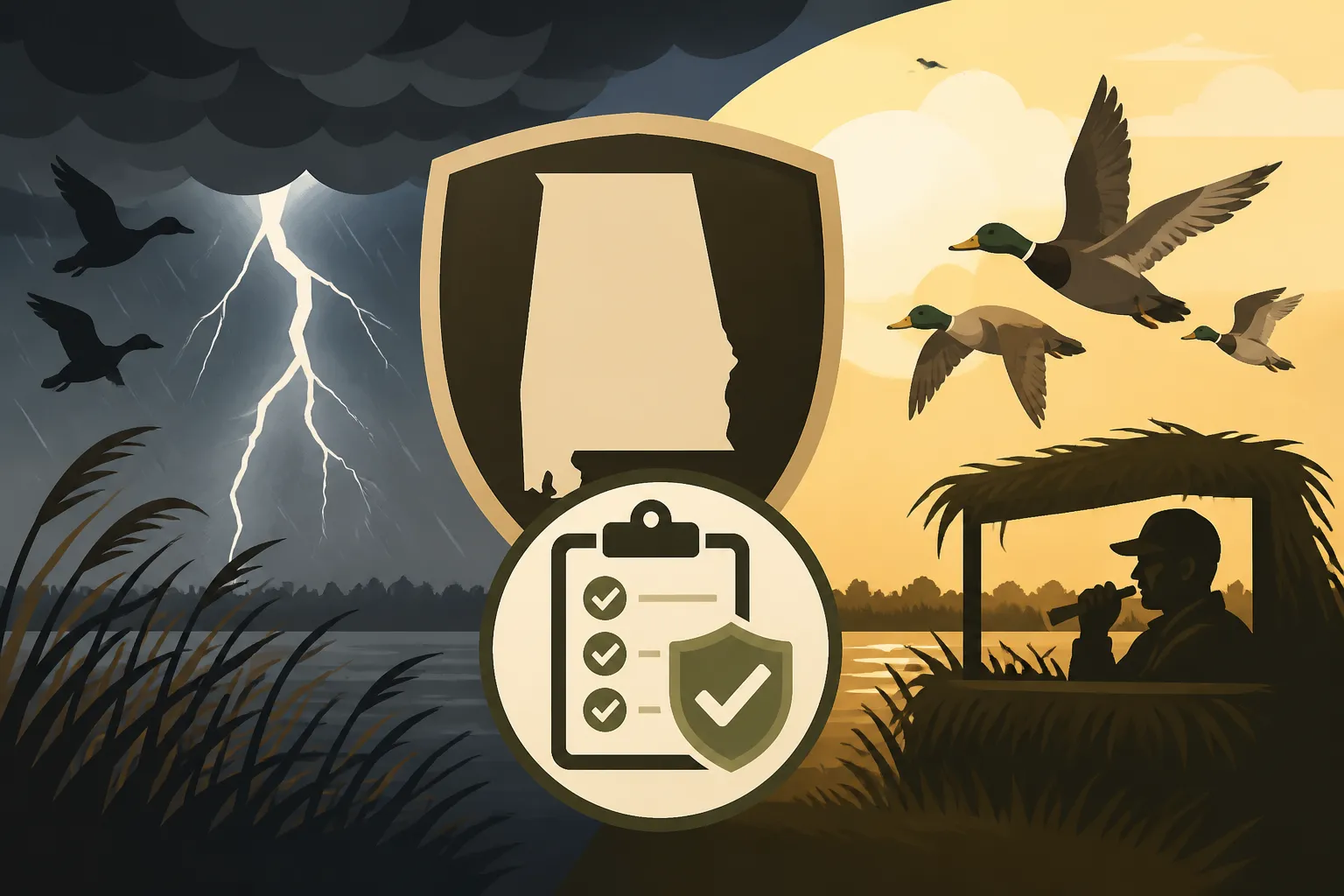
Then there are the more direct impacts of severe weather. Heavy rain can sometimes improve hunting by lowering ducks to seek shelter, but torrential downpours or violent thunderstorms make for unsafe and impractical hunting conditions. Fog, particularly dense fog advisories that reduce visibility to mere yards, can halt boat travel and make shooting dangerous, often leading to cancellations. And in the northern reaches of Alabama, like the Tennessee River Valley, a rare but impactful ice storm can lock up open water, sending ducks packing or making access to blinds impossible. Waterfowl Hunting Alabama's River Deltas often sees different weather patterns than the inland regions, adding another layer of complexity.
The Financial and Emotional Investment in a Guided Hunt
Let's be honest, booking a guided duck hunt isn't a casual affair. You're making a significant investment of both your hard-earned money and your precious vacation time. Many hunters save up for months, buy new gear, and even travel cross-country for the chance to experience Alabama's waterfowl hunting. There's the cost of the guide fee itself, often a several-hundred-dollar-per-person daily rate, plus expenses for travel, lodging, food, licenses, and ammunition.
Beyond the monetary aspect, there's the emotional investment. You've been dreaming about those decoying mallards or pintails, the crisp morning air, and the camaraderie in the blind. The anticipation builds for weeks, maybe even months. To have that dream shattered by a sudden weather event that cancels or severely impacts your hunt feels like a punch to the gut. It's not just about the money lost; it's about the lost experience, the missed opportunity to create those lasting memories. This is precisely why understanding a guide's weather contingency policy before you book is not just smart planning, it's essential for peace of mind.
Understanding Weather Contingency Policies: What to Look For
When you're looking to book a guided duck hunt, especially with an Alabama outfitter, the weather contingency policy might seem like small print, but it's arguably one of the most important sections to understand. These policies are designed to protect both the guide and the client from the unavoidable impacts of nature.
Common Policy Types You'll Encounter
Most reputable duck guides will have some form of weather policy. Here's a breakdown of what you might typically see:
- Reschedule Options / "Rain Checks": This is perhaps the most common approach. If a hunt is canceled due to weather, the guide will offer you a "rain check" to reschedule for a later date. It’s important to clarify if there are any rebooking fees involved, if the credit expires (e.g., must be used within the current season or calendar year), and what the availability looks like for rescheduling. Some guides will work diligently to find another spot, while others might have limited openings, especially during peak season. Booking a Late-Season Duck Hunt in Alabama might offer more flexibility for rescheduling than an opening weekend.
- Deposit Policies (Refundable vs. Non-Refundable): Deposits are standard in the guiding world, securing your spot. Weather policies often dictate what happens to that deposit if the hunt is called off.
- Non-refundable deposits: Many guides require non-refundable deposits to cover their preparation time, lost opportunity, and administrative costs if you cancel. However, if they cancel due to weather, their policy should clearly state your options, which often revert to a reschedule.
- Refundable deposits (under specific conditions): Some policies might offer a partial or full refund if the guide cancels due to severe, objectively unsafe weather conditions that make a reschedule impossible or impractical for both parties. Always read the fine print here.
- "Act of God" Clauses: This legal-sounding phrase is pretty common. It generally refers to events outside human control, such as hurricanes, floods, blizzards, or other catastrophic natural disasters that render a hunt impossible or unsafe. Most guides will treat these as legitimate reasons for cancellation and will usually offer a full refund or a flexible reschedule. However, an "Act of God" usually does not cover simply bad hunting weather like no wind or bluebird skies, which leads us to the next crucial distinction.
The Grey Areas: "Unfavorable" vs. "Unsafe"
This is where much of the potential for misunderstanding lies. There's a world of difference between weather that makes hunting unsafe and weather that simply makes hunting unfavorable.
- Unsafe Conditions: These are typically clear-cut and justifiable reasons for a guide to cancel. Think lightning storms, severe ice accumulation making boat travel or walking hazardous, dangerously high winds that make decoy spreads impossible to maintain or blinds unstable, or thick fog that prevents safe navigation on major bodies of water like the Tennessee River. When a guide calls a hunt due to unsafe conditions, it's for everyone's protection, and their policy should reflect generous options for the client. Tennessee River Duck Guide Day Rates should clearly state what constitutes unsafe weather.
- Unfavorable Conditions: This is the tricky part. What if the forecast calls for clear skies, light winds, and warm temperatures—conditions known to make ducks inactive? It's not unsafe, but it's certainly not ideal for hunting. Most guides will not cancel a hunt for unfavorable conditions, and their policy will reflect that. They'll tell you they'll still go out and do their best, as ducks are wild animals and sometimes defy expectations. As a client, you might feel like you're paying for a sub-par experience, but from the guide's perspective, they're fulfilling their part of the agreement to take you hunting, regardless of bird activity. This distinction is vital, and it’s why clear communication about expectations is paramount.
Questions to Ask Before You Book Your Alabama Duck Hunt
Now that you understand the common policy types and the "unfavorable vs. unsafe" dilemma, it's time to get proactive. Before you put down a deposit, open a dialogue with your potential guide about their weather policies. Don't assume anything.
Specific Inquiries About Weather Cancellations
These aren't questions to be shy about. Any reputable guide will appreciate a client who is thorough and wants to understand the terms.
- "What specifically constitutes a weather cancellation for your hunts?" Get them to define it. Is it based on National Weather Service (NWS) warnings (e.g., small craft advisories, severe thunderstorm warnings, dense fog advisories)? Is it purely at the guide's discretion? Understanding their threshold will set your expectations. For example, some guides on large open water might have a specific wind speed cut-off where they deem it unsafe to run boats or deploy spreads.
- "If you, the guide, cancel a hunt due to weather, what are my options?" This is the most important question. Do you get a full refund of your deposit and any payments made? Is it a credit for a future hunt? If it's a credit, does it expire? What is the process for rescheduling? Are there certain days or times that are typically easier to reschedule?
- "What happens if I decide to cancel due to weather that I deem too bad, but you, the guide, do not cancel the hunt?" This addresses the "unfavorable" scenario. If the guide is prepared to go, but you don't want to hunt in light wind and clear skies, will you lose your deposit? Most likely, yes, in this situation. It's crucial to understand this boundary.
- "Are there any rebooking fees or time limits for rescheduling if a hunt is weather-canceled?" Some guides might charge a small administrative fee for rebooking, especially if it happens multiple times. Also, confirm how long you have to use any credit. Is it for the current season only, or can it roll over to the next?
Getting It in Writing: Protecting Your Investment
Verbal agreements are good, but written policies are better. In the rare event of a dispute, having something in black and white is invaluable.
- Always ask for the policy in writing. Whether it’s an email detailing the terms, a clause in a booking contract, or a clear section on their website, ensure you have a tangible record. This isn't about distrust; it's about clarity and protecting both parties.
- How booking platforms can help. Many online booking services, like BookYourHunt or GoHunt, require outfitters to clearly state their cancellation and weather contingency policies as part of their listing. When browsing for Alabama duck guides, pay close attention to these sections on such platforms. They often provide a standardized format, making it easier to compare policies across different guides without having to dig. These platforms act as a useful intermediary for transparency.
- Preventing disagreements. A clearly written and mutually understood weather policy helps prevent potential misunderstandings and friction down the road. Imagine you travel from out of state for a Waterfowl Guide Services on the Tennessee River hunt, and the conditions are marginal. If the guide's policy states they only cancel for NWS warnings, and none are issued, you know where you stand. It removes the guesswork and emotion from a potentially disappointing situation.
Navigating a Weather-Impacted Hunt: Best Practices
Even with the clearest policies, Mother Nature doesn't always cooperate. If you find yourself facing a weather-impacted duck hunt in Alabama, there are best practices that can help smooth things over and potentially salvage your trip.
Communication is Key: Before and During Your Trip
Open and honest communication with your guide is your best tool.
- Proactive Discussion of the Forecast: Don't wait until the night before to discuss the weather. As your hunt date approaches, keep an eye on the forecast and initiate a conversation with your guide a few days out, especially if unfavorable conditions are predicted. Ask, "Hey, I'm seeing a lot of fog predicted for Saturday morning. How do you typically handle that, and what are our options?" This shows you're engaged and allows the guide to prepare or discuss alternatives.
- Be Realistic About Expectations: Understand that guides are not meteorologists, nor can they control the ducks. They can only put you in the best possible position given the conditions. If the forecast is for tough hunting, manage your own expectations. Sometimes a "slow" day can still be a fantastic experience because of the effort your guide puts in or the beauty of the Hunting the Tennessee River Delta for Waterfowl environment. Don't go into a tough forecast expecting a limit.
- Listen to Your Guide's Judgment: Ultimately, the guide's local knowledge and experience are invaluable, especially concerning safety. They know the water, the access points, and what conditions are truly dangerous. If they say it's too rough or too foggy to go, trust their judgment. Your safety, and theirs, comes first.
Alternative Options and Flexibility
Sometimes, a slight pivot can make all the difference when a primary plan is derailed by weather.
- Ask About Backup Plans: Inquire if the guide has any alternative locations or strategies if the primary spot is unfishable or unhuntable due to weather. For example, if a river is flooding, do they have access to a private pond or a field that might still hold birds? If the duck flight is dead, are there other opportunities the guide could offer, such as a Squirrel and Small Game Hunting in Alabama outing if that’s within their services and your interests? Not all guides offer this, but it’s worth asking about their flexibility.
- Consider Flexibility in Travel Dates: If you're booking well in advance and have some wiggle room, consider planning your trip with a buffer day. This extra day could be invaluable for rescheduling a weather-canceled hunt without having to completely rearrange travel plans or lose out on the experience. Alabama's weather can shift dramatically, especially during late season, so a flexible schedule can be a huge asset.
Leveraging Booking Platforms and Reviews
The collective experience of other hunters can offer valuable insights into how a guide handles weather.
- Review Cancellation Policies on Platforms: As mentioned earlier, websites like BookYourHunt and GoHunt often provide a dedicated section for each outfitter's cancellation and weather policies. Take the time to read these thoroughly before narrowing down your choices. The transparency these platforms offer can save you a lot of headaches later.
- Read Client Reviews for Weather Handling: Beyond the written policy, look for specific mentions in past client reviews about how the guide dealt with adverse weather. Did they proactively communicate? Were they fair with rescheduling? Did they offer good alternatives? A guide who consistently gets positive feedback for their handling of weather issues is often a good indicator of their professionalism and commitment to client satisfaction. These real-world accounts can often tell you more than the policy itself.
| Weather Scenario | Guide's Typical Action | Hunter's Common Options |
|---|---|---|
| Severe Storm/Lightning | Guide cancels for safety. | Full refund or credit to reschedule. |
| Dense Fog Advisory | Guide delays or cancels due to navigation hazards. | Reschedule, often with a full credit; sometimes a refund. |
| Heavy Ice/Snow | Guide cancels due to unsafe access/frozen water. | Full refund or flexible reschedule for current/next season. |
| Unfavorable (Bluebird/No Wind) | Guide typically still operates, does best to find birds. | Hunt as planned; usually no refund/reschedule for "slow" hunt. |
| Water Level Issues | Guide may change hunting location or cancel if access lost. | Reschedule, hunt alternative spot, or partial refund depending on policy. What Happens if Water Levels Drop Mid-Season is a common concern. |
| Guide Illness/Emergency | Guide cancels, finds replacement, or reschedules. | Full refund or flexible reschedule with same or different guide. |
Disclaimer
This article is for general informational purposes only and does not constitute professional advice. Laws, prices and regulations vary by location and change over time. Consult a qualified professional for guidance on your specific situation.