What a Managed Quail Hunt Includes
There’s a unique charm to chasing wild bobwhites across Alabama’s rolling landscapes, but for many, the idea of a "managed quail hunt" can feel a little daunting or even mysterious. Perhaps you’ve seen pictures of hunters in open-sided buggies with dogs ranging far and wide, and you've wondered what it truly entails, what’s included, and if it’s really for you. This comprehensive guide is here to pull back the curtain, detailing precisely what you can expect from a managed quail hunting experience in the Heart of Dixie, from the moment you book to the stories you'll tell afterward.
Demystifying the "Managed" Quail Hunt Concept
When you hear "managed quail hunt," it’s easy to conjure images of pen-raised birds simply released for the gun. While some operations might lean that way, the heart of a truly managed hunt, especially in Alabama, is often about something far more nuanced and deeply rooted in conservation and habitat restoration. It’s about creating an environment where wild or semi-wild quail can thrive, providing a challenging and authentic experience for the hunter.
What "Managed" Really Means for Quail Populations
In Alabama, "managed" often refers to actively maintained habitat. Think about it: our native Bobwhite Quail in Alabama's Black Belt populations have faced significant challenges over the decades. The term "managed" implies that the landowner or outfitter is working tirelessly on habitat improvement, which can involve controlled burns, timber thinning, planting specific native grasses and forbs, and establishing food plots. This isn’t just about having birds; it’s about having healthy, flighty birds that react like wild ones. The management strategy aims to replicate the mosaic of fields, open woodlands, and edges that bobwhites need to nest, raise broods, and evade predators. It’s a dedicated, year-round effort that makes these hunts possible. You’re hunting land that is meticulously cared for, often representing some of the best quail habitat left in the state.
Why Hunters Choose a Managed Experience
Hunters gravitate to managed quail hunts for a multitude of reasons. For starters, consistency and quality are big draws. While truly wild quail populations can be unpredictable due to weather, predation, and habitat changes, a managed plantation strives to offer a reliable, high-quality experience. You’re more likely to encounter multiple coveys in a day, ensuring plenty of dog work and shooting opportunities. This predictability is a huge draw for those traveling long distances or introducing new hunters to the sport. It's also an opportunity to experience a classic Southern quail hunt, often complete with well-trained pointing dogs and experienced guides, in a setting that evokes a bygone era of genteel wingshooting. For many, it's less about the kill and more about the camaraderie, the dog work, and soaking in the rich outdoor tradition. If you’re yearning for the thrill of watching a good bird dog lock up on point, then a managed hunt delivers.
Before the Whistle: Preparation and Arrival
Booking your hunt is just the beginning. There's a bit of planning that goes into making sure your managed quail hunt goes off without a hitch. Understanding the booking process and what gear to bring will set you up for success.
Booking and Communication with Your Outfitter
Finding the right outfitter is crucial. Many reputable plantations and guides operate across Alabama, particularly in the Black Belt region, known for its rich hunting heritage. You can find these operations through online directories, hunting forums, or by checking out platforms like BookYourHunt. When you're ready to Booking a Black Belt Quail Plantation Hunt, start by reaching out to prospective outfitters with your preferred dates and group size. Most will offer various packages, from single-day hunts to multi-day stays with lodging and meals. Don't hesitate to ask detailed questions about what's included, how many coveys you can expect to find, and their dog policies. Communication is key to managing expectations. Ensure you understand their deposit requirements, cancellation policies, and what's covered in the price, like birds, dogs, guides, and meals. Some platforms like GoHunt might also provide reviews or direct contact info for outfitters, which can be helpful in your decision-making.
Gear, Attire, and What to Pack
The right gear makes all the difference for comfort and safety. Here’s a rundown of what you’ll typically need:
- Shotgun: A lightweight 12 or 20 gauge is common, often an over/under or side-by-side for quick follow-up shots. Make sure it's cleaned and patterned before your trip. Most outfitters will have shotguns available for rent if you prefer not to travel with yours.
- Ammunition: Bring plenty of birdshot, typically 7.5 or 8 shot. Confirm with your outfitter if they provide shells or if you need to bring your own.
- Blaze Orange: Safety is paramount. While Alabama doesn't always mandate blaze orange for small game, many plantations require a vest or hat for visibility, especially with multiple hunters and dogs afield.
- Appropriate Clothing: Expect to walk through fields, light brush, and possibly wet grass. Durable briar pants or chaps are highly recommended to protect against thorns and burrs. Comfortable, broken-in hunting boots that are waterproof are a must. Dress in layers, as mornings can be chilly, but the Alabama sun can warm things up quickly.
- Ear and Eye Protection: Essential for safety and comfort around gunshots.
- Field Vest or Bag: For carrying extra shells, water, and harvested birds.
- Water Bottle: Stay hydrated, especially on warmer days.
- Sunscreen and Insect Repellent: Don't underestimate the Alabama sun or the potential for bugs, even in cooler months.
| Item | Typical Inclusion (Often) | Typical Exclusion (Bring Your Own) | Notes |
|---|---|---|---|
| Guide | Yes | No | Experienced professional leading the hunt |
| Dogs | Yes | No | Well-trained pointing dogs provided |
| Birds | Yes (often per-hunter limit) | No | Usually a set number of birds or coveys; additional birds may cost extra |
| Ammunition | Some packages | Most often | Check with outfitter; usually 7.5 or 8 shot |
| Shotgun | Some packages (rentals) | Most often | Quality firearms available for rent at many lodges |
| Eye/Ear Protection | Limited | Yes | Essential for safety; disposable options sometimes available |
| Blaze Orange Safety | Limited (rentals) | Yes | Often available for rent if you forget |
| Briar Pants/Chaps | No | Yes | Highly recommended for comfort and protection |
| Waterproof Boots | No | Yes | Crucial for comfort and dry feet |
| Field Processing | Yes | No | Birds are typically cleaned and packaged for you |
| Meals | Multi-day packages | Single-day hunts (check details) | Lodge packages almost always include meals |
| Lodging | Multi-day packages | Single-day hunts | Varies widely by outfitter and package type |
The Hunt Itself: Dogs, Guides, and Coattails
Now for the exciting part! Stepping onto a well-managed quail field with birds in the air and dogs on point is an experience unlike any other. Knowing what to expect from the hunting style and your guide's role will enhance your enjoyment.
Understanding Different Hunting Styles: Walking vs. Wagon
Managed quail hunts typically offer a few distinct experiences when it comes to covering ground, each with its own charm and physical demands. The most classic approach is the wagon hunt, often using an open-sided vehicle, sometimes called a "buggy" or "jeep," to transport hunters and dogs between different covey rises. This is a favorite for groups, those who prefer less strenuous walking, or anyone who just wants to soak in the scenery without breaking a sweat. When the dogs get birdy, or go on a full point, everyone dismounts, and the shooting party moves in for the flush. This style allows for covering more ground and often provides a higher number of covey finds throughout the day, perfect for enjoying the social aspect of the hunt.
Then there's the more physically demanding walking hunt. This style is favored by those who enjoy the intimate experience of working directly behind the dogs for the entire hunt. You'll typically cover more varied terrain, sometimes through thicker cover, truly earning each covey rise. It’s a more traditional, boots-on-the-ground approach that some find more rewarding. Many outfitters will cater to your preference, offering either option or a blend of both depending on the day's conditions and the hunters' abilities. This choice is part of deciding between Wagon Hunts Versus Walking Quail Hunts.
The Role of the Guide and Pointing Dogs
The guide is the backbone of your quail hunting experience. These seasoned professionals are not just drivers or bird spotters; they are skilled dog handlers, expert navigators of the habitat, and often fantastic storytellers. They know the land, they know the birds, and most importantly, they know their dogs. Your guide will interpret the dogs' behavior, positioning you for the best shooting opportunities. They’ll offer tips on gun safety, field etiquette, and even shooting advice if you need it.
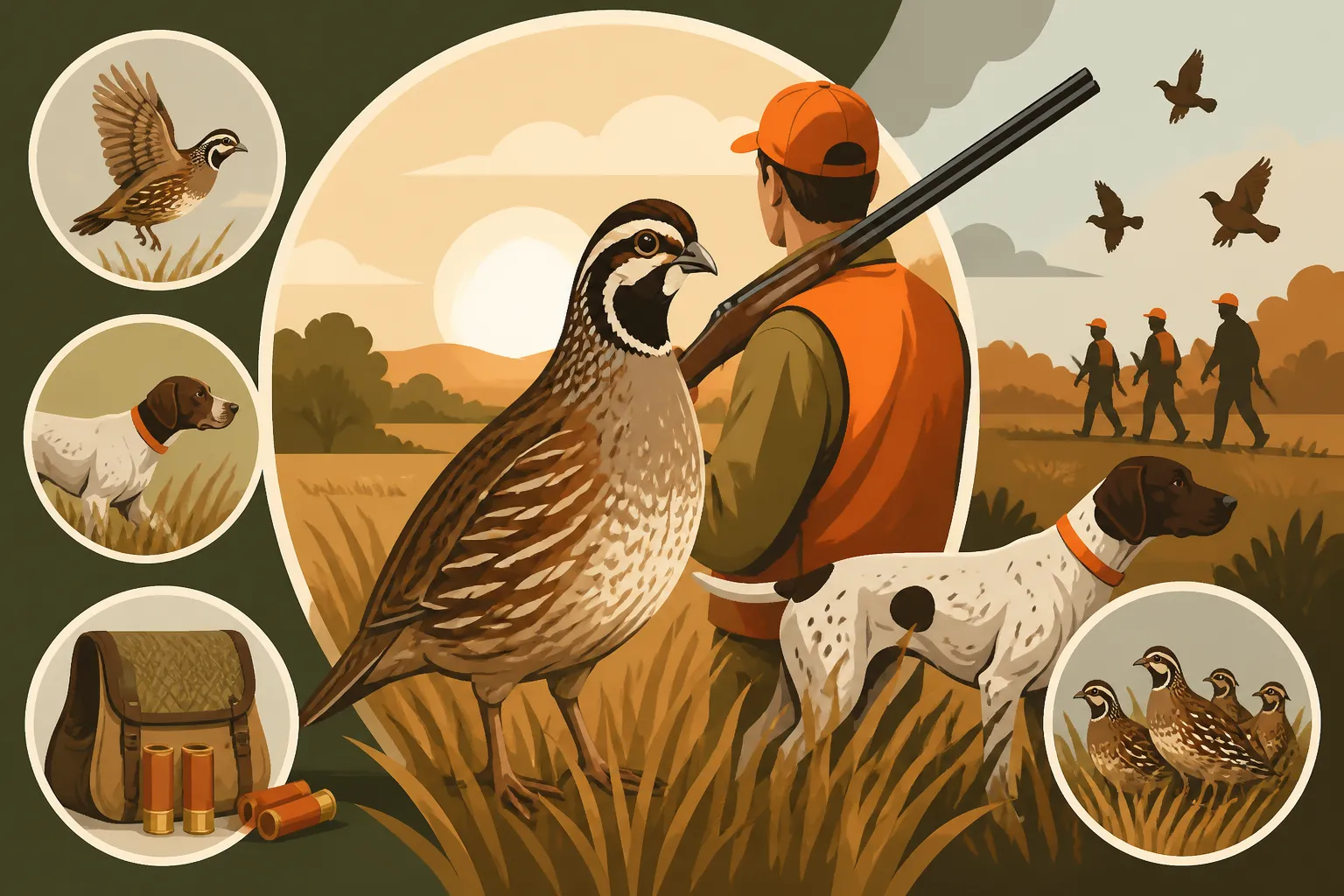
And then there are the dogs—the true stars of the show! Most managed quail hunts feature highly trained pointers, often English Pointers, Setters, or Brittanys, that work tirelessly to find and hold coveys. Watching these dogs methodically quarter a field, catch a scent, and then lock up on a beautiful, staunch point is one of the greatest joys of quail hunting. The guide manages the dog's range and ensures they're working effectively, a true art form in itself. You'll witness incredible teamwork between man and dog, a testament to years of training and experience. To truly appreciate this, it's worth understanding the intricacies of Working Pointing Dogs on Black Belt Quail.
Beyond the Field: Lodge, Meals, and Amenities
A managed quail hunt often extends far beyond the actual shooting. Many outfitters offer a full-service experience that caters to your comfort and enjoyment, making it a true hunting vacation.
Accommodations and Hospitality Options
One of the significant advantages of booking a managed quail hunt is the quality of accommodations and hospitality. Many plantations boast comfortable, rustic-chic lodges or cabins that serve as your home base. These aren't just places to sleep; they are central to the experience. Picture cozy common areas with roaring fireplaces, perfect for swapping stories after a day in the field. Meals are often a highlight, with Southern-style cooking that could include anything from hearty breakfasts to fuel your hunt to delicious lunches and gourmet dinners featuring wild game, prepared by in-house chefs.
This all-inclusive approach allows you to focus solely on the hunt and the camaraderie, without worrying about cooking or finding a restaurant. It’s particularly appealing for group trips or corporate outings, providing a seamless and memorable experience. Some lodges even offer additional amenities like skeet ranges, fishing ponds, or simply beautiful porches for relaxing and enjoying the tranquil Alabama countryside. When comparing what's offered, you might consider Half-Day Versus Full-Day Quail Packages, as the longer stays are more likely to include these extensive amenities.
Processing, Photography, and Keepsakes
After a successful hunt, the work isn't quite over for the outfitter, but it is for you! A key inclusion in most managed quail hunts is the cleaning and packaging of your birds. You typically don't have to worry about field dressing or plucking; the lodge staff will handle it, often breasting out the birds and vacuum-sealing them for you to take home. This convenience means you leave with ready-to-cook game meat, a delicious reminder of your trip.
Many outfitters also understand the desire to capture memories. While not always explicitly included in the base price, guides are usually happy to take photos with your camera. Some premium operations might even offer professional photography services or have dedicated staff who can document your hunt. Don't hesitate to ask your guide to snap a few shots of you, your hunting partners, and especially the amazing dog work. These photos, along with the stories you’ll share and the delicious quail for your dinner table, serve as wonderful keepsakes of your Alabama quail hunting adventure.
Making the Most of Your Alabama Quail Hunt
To ensure you have the best possible experience, it's wise to consider some practical aspects, from showing appreciation to your guides to thoroughly vetting your chosen outfitter.
Tipping Etiquette for Your Guides and Staff
Just like any service industry, tipping is customary and greatly appreciated on a guided hunt. Your guide works incredibly hard to ensure your safety, success, and enjoyment throughout the day. This includes their expertise in dog handling, navigation, safety, and general hospitality. A common guideline for tipping is to budget a certain percentage of your total hunt cost for the guide, or a per-day amount. Similarly, if there are lodge staff, bird boys, or dog handlers who assist with cleaning birds, preparing meals, or maintaining the lodge, a tip for them is also a thoughtful gesture. It’s always best to have cash on hand for tips. When considering your overall budget, remember to factor in How Much to Tip a Quail Plantation Guide to ensure you're prepared. A good rule of thumb is to tip based on the effort and service provided, not solely on the number of birds harvested, as so much of the experience is beyond simply pulling the trigger.
Vetting Your Outfitter and What to Ask
Before you commit to a managed quail hunt, a little homework can save you a lot of headaches and ensure a fantastic experience. Start by asking for references from past clients. A reputable outfitter will be happy to provide these. When you speak to references, inquire about the quality of the dogs, the guide's professionalism, the consistency of covey finds, the comfort of the accommodations, and the overall value for the price. Platforms like BookYourHunt or GoHunt can offer initial insights, but direct communication and references are invaluable.
Also, be clear about what’s included and what’s extra. Are shells provided? Is bird processing part of the package? What’s the policy on extra birds if you shoot over the included limit? Ask about the experience level of the guides and the training of the dogs. It's also important to understand the typical group size and if you'll be hunting exclusively with your party or if you might be paired with other hunters. Finally, discuss their safety protocols and any specific rules of the plantation. Taking the time to Vetting an Alabama Outfitter Before You Book ensures you're investing in a high-quality experience that meets your expectations. The goal is to avoid any surprises and ensure your quail hunt is everything you dreamed it would be.
Disclaimer
This article is for general informational purposes only and does not constitute professional advice. Laws, prices and regulations vary by location and change over time. Consult a qualified professional for guidance on your specific situation.