Alabama Buck Age Structure
Alabama buck age structure details the distribution of animals across classes like 1.5, 2.5, and 3.5 years old.
Alabama buck age structure details the distribution of animals across classes like 1.5, 2.5, and 3.5 years old.
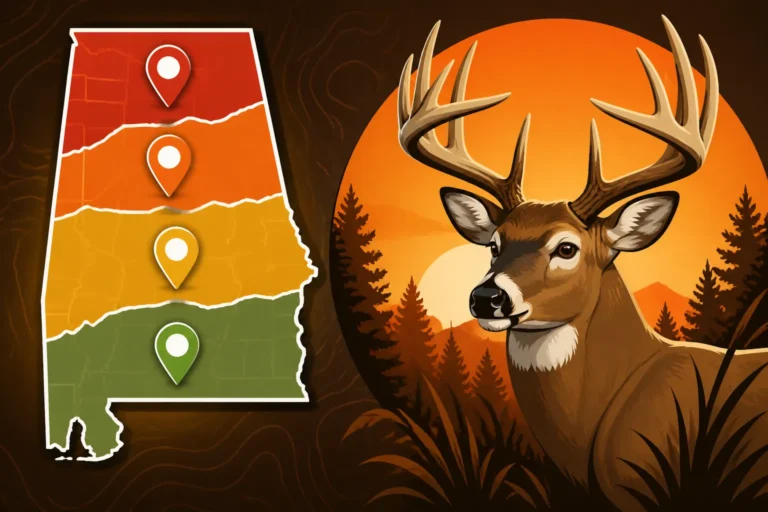
Alabama deer hunting zones feature varying peak rut periods caused by historical restocking programs and environmental diversity.
Alabama deer record books include national organizations like Boone and Crockett, state programs, and local contests for harvested bucks.
Alabama Boone and Crockett whitetails require specific antler scoring minimums of 170 inches typical and 195 inches non-typical.
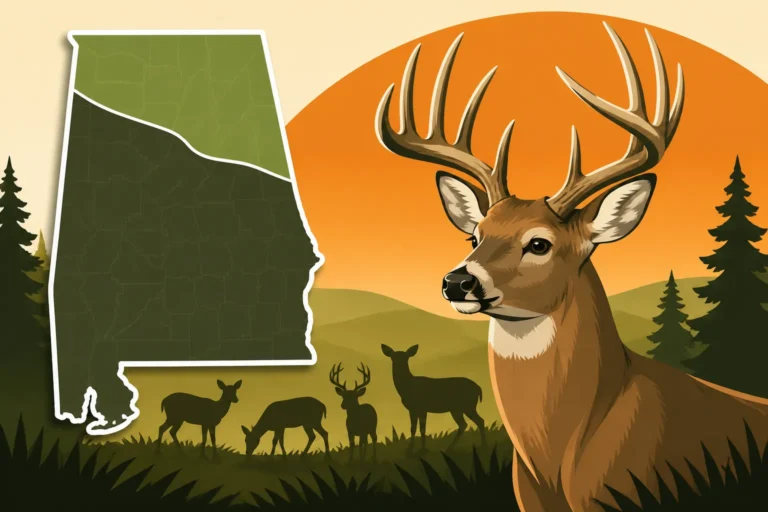
North Alabama deer density and factors like habitat, food sources, and terrain shape local populations across mountain ridges.
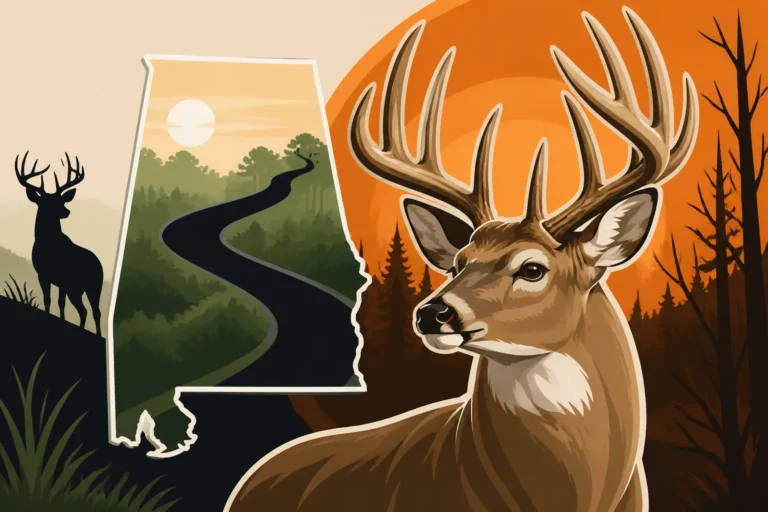
Alabama Black Belt fertile soils and limestone bedrock provide calcium and phosphorus, explaining why this region grows older bucks.
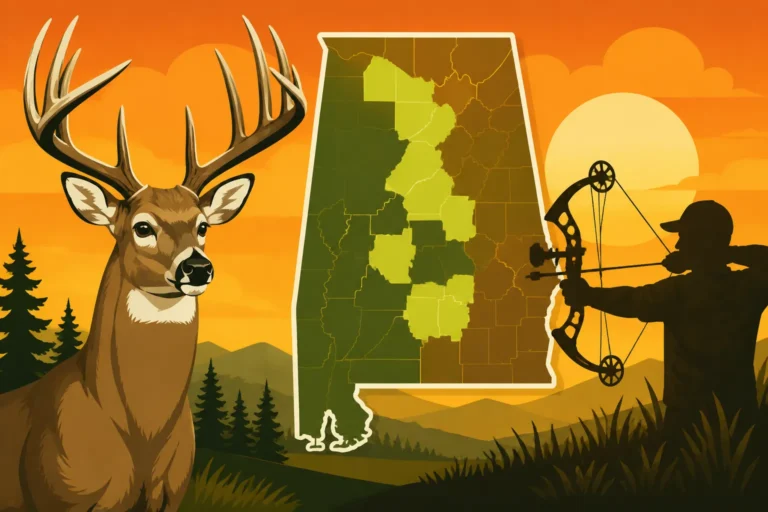
Alabama deer hunting regions and rich soil factors explain how hunters find trophy white-tailed bucks and mature animals.
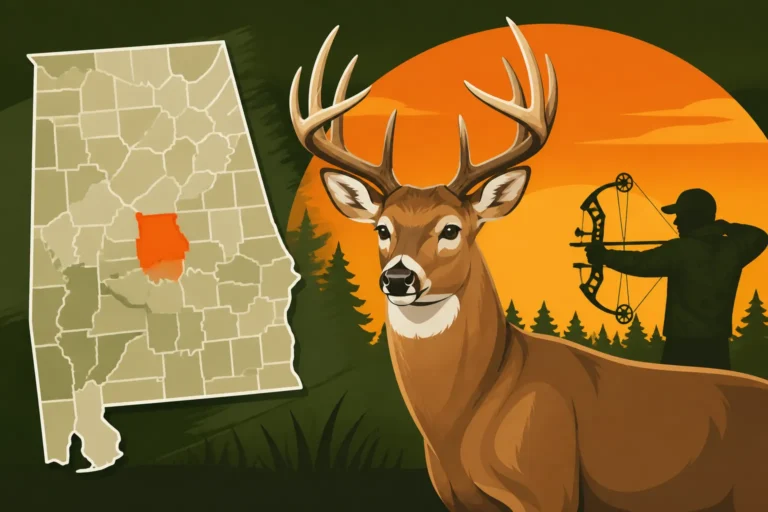
Alabama deer harvest data reveals which counties lead the state in reported harvests and explains underlying participation factors.
Alabama annual deer harvest data explains population health, hunter success rates, and regional management strategies across the state.
Alabama white-tailed deer herd size estimates rely on Game Check harvest data, population trends, and regional habitat surveys.