Reporting a Sick Animal in Alabama
Reporting sick or deceased wild animals in Alabama helps biologists monitor diseases and protect local wildlife populations.
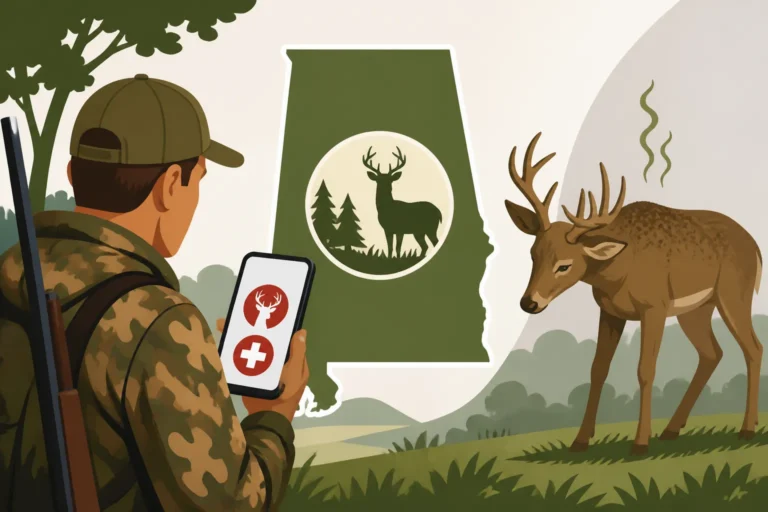
Reporting sick or deceased wild animals in Alabama helps biologists monitor diseases and protect local wildlife populations.
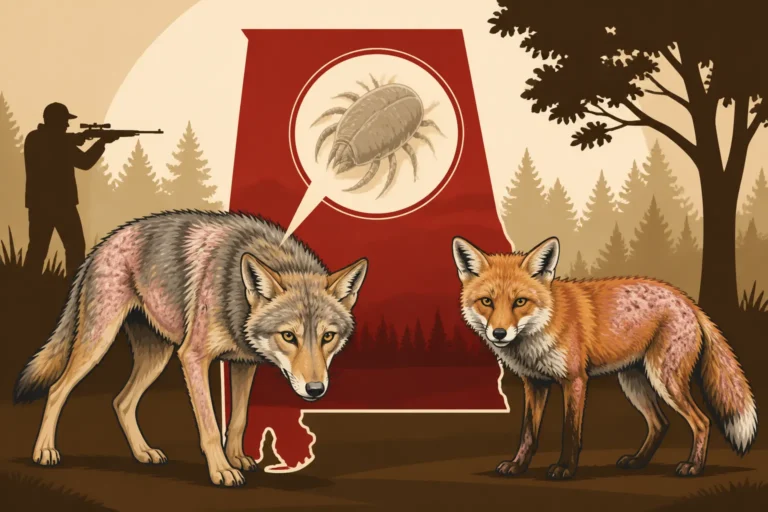
Mange in Alabama coyotes and foxes causes severe hair loss and crusty skin through microscopic mites that spread by direct contact.
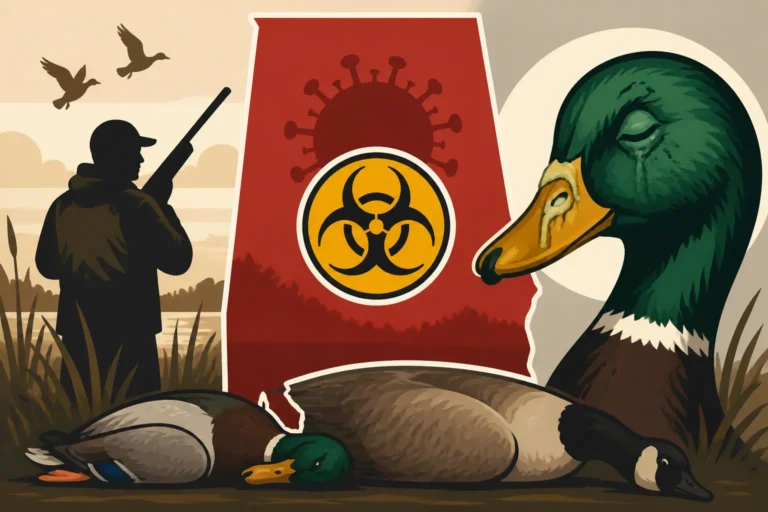
Avian influenza virus impacts Alabama wild birds, explaining symptoms, waterfowl carriers, and how hunters monitor the disease.
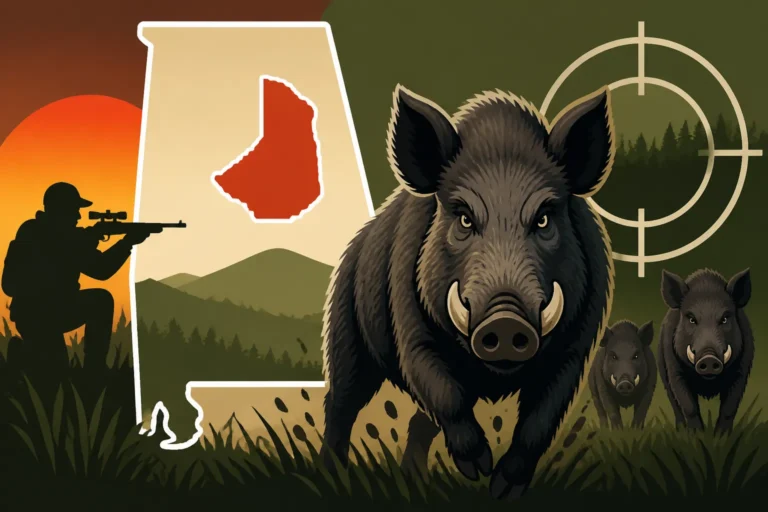
Feral swine expanding across North Alabama farmlands and forests, causing severe crop damage and spreading to new counties.
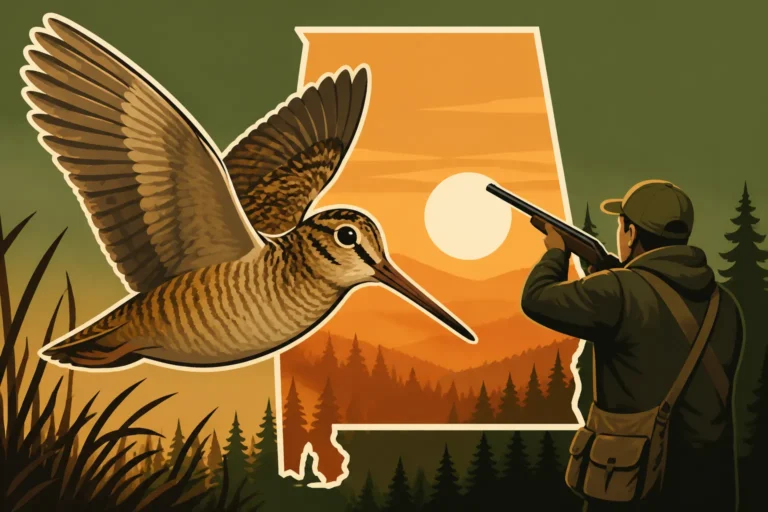
American woodcock migration patterns through Alabama, detailing arrival timelines from late October to mid December for hunters.
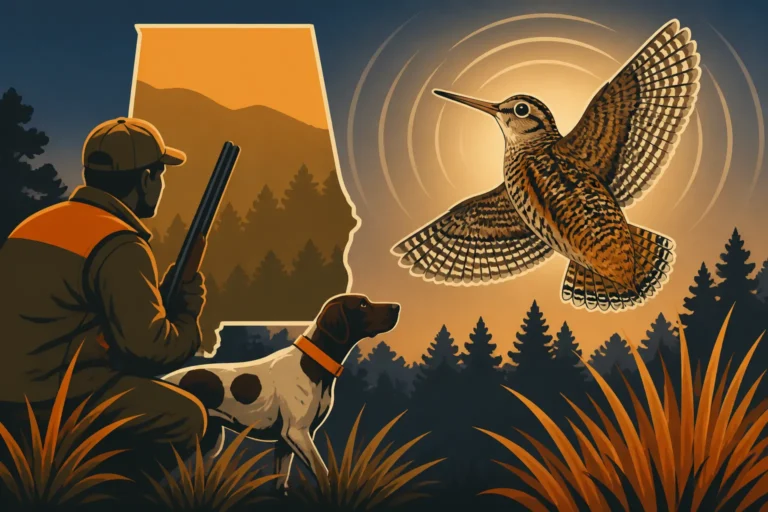
Alabama woodcock singing ground surveys use male courtship displays to estimate population trends and manage game birds.
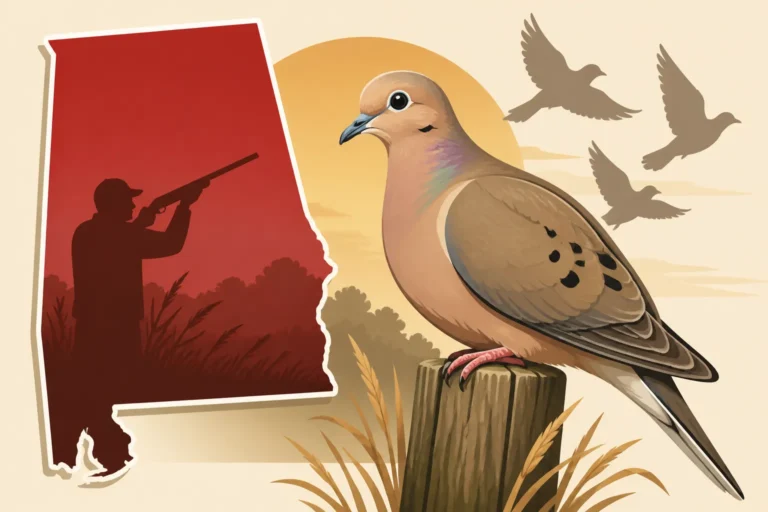
Alabama mourning dove harvest numbers, gathered through hunter surveys, indicate population health and management strategy success.
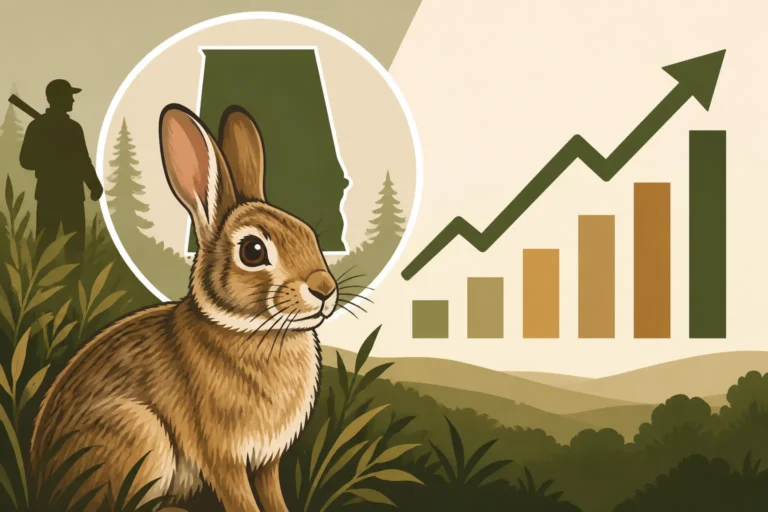
Alabama cottontail population decline stems from habitat loss, fragmentation, and predation, impacting rabbit hunting success across the state.
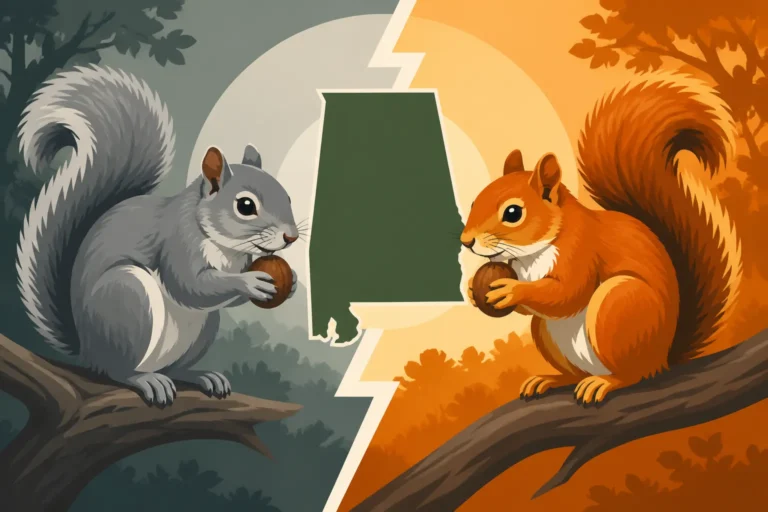
Alabama gray squirrels and fox squirrels have distinct size, fur color, and forest habitat differences hunters must recognize.
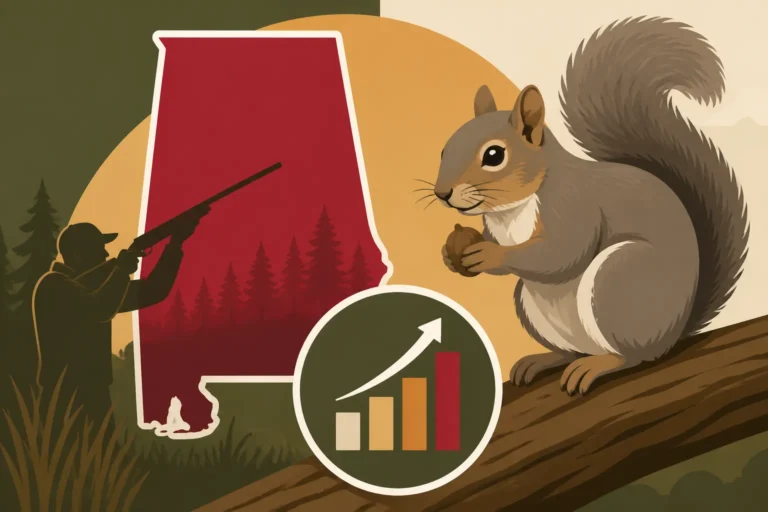
Alabama squirrel harvest numbers and hunter survey data reveal wildlife population health, habitat quality, and hunting pressure trends.