Night Hunting Rules for Alabama Coyotes
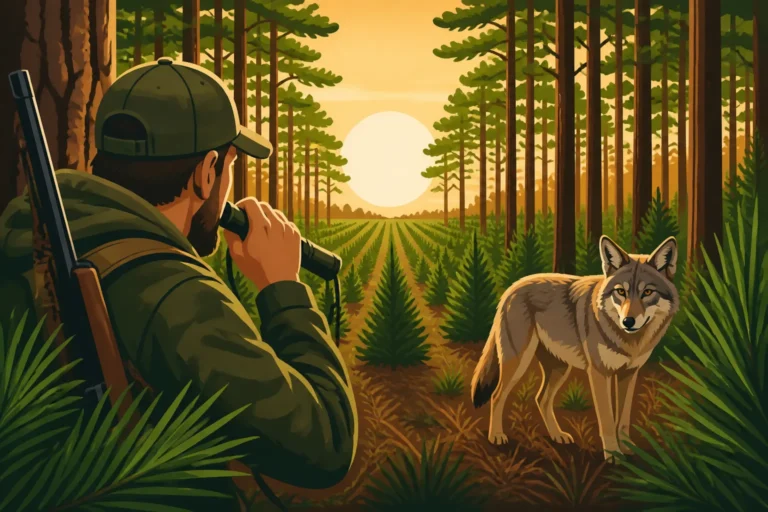
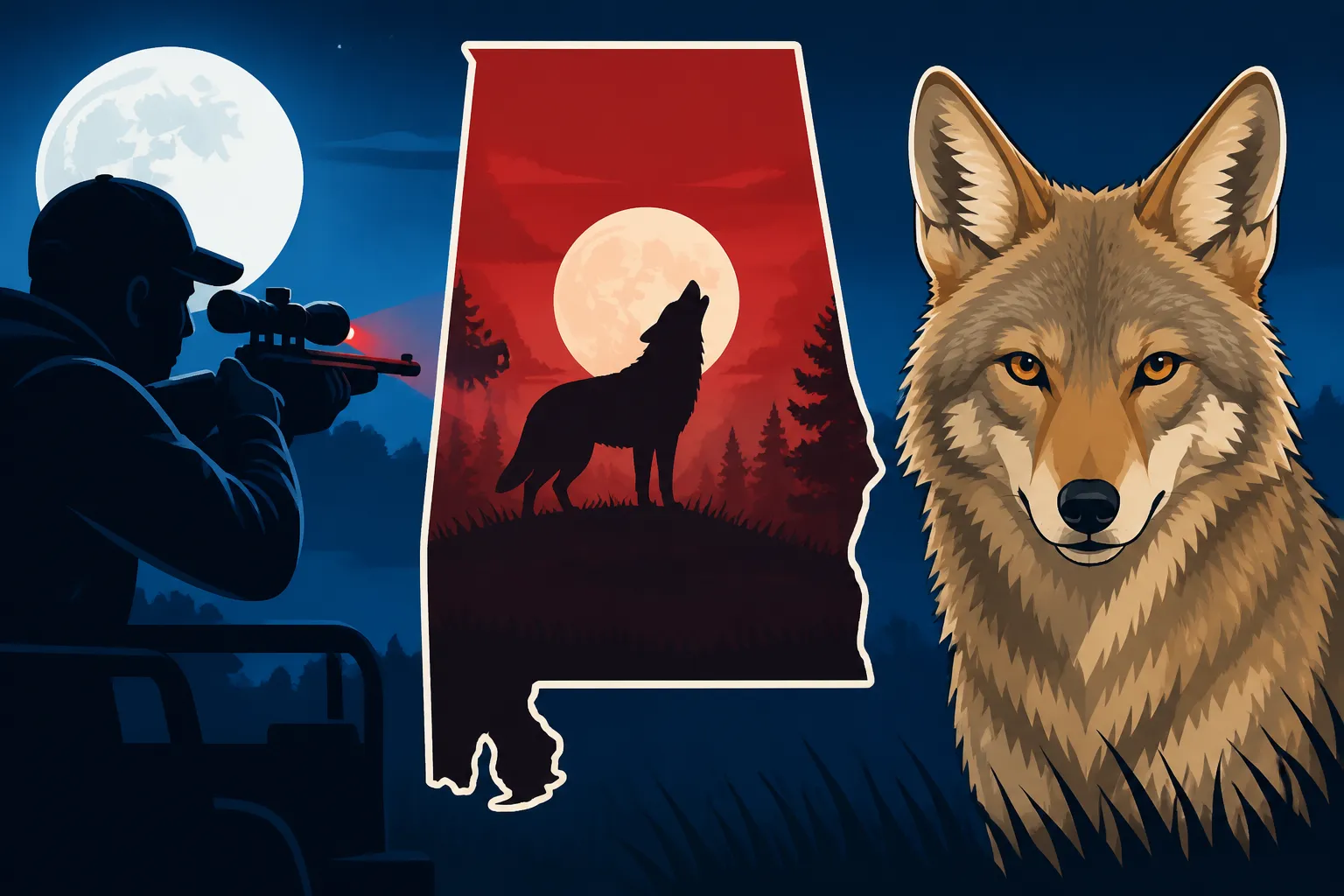
Night hunting coyotes in Alabama can feel like a labyrinth of rules and regulations, leaving many hunters scratching their heads about what’s actually legal after sunset. It's a completely different ballgame than daylight hours, and the last thing any of us want is to accidentally run afoul of the law while trying to manage a nuisance predator. This guide will cut through the confusion, clearly laying out the specific rules and best practices for legally and effectively hunting coyotes under the cover of darkness in our beautiful state.
Decoding Alabama's Night Hunting Landscape
Before we dive specifically into coyotes, it’s really important to understand the broader context of night hunting here in Alabama. For most game species – deer, turkey, ducks, you name it – hunting is strictly prohibited between official sunset and sunrise. This isn't just an arbitrary rule; it's steeped in conservation principles and hunter safety. Hunting deer at night, for example, makes it incredibly difficult to identify age, sex, and antler restrictions, not to mention the increased risk of errant shots.
However, Alabama recognizes that some animals pose significant management challenges that necessitate different approaches. Feral hogs are a prime example, causing untold damage to agriculture and natural habitats. Because of their destructive nature and rapid reproduction, the Alabama Department of Conservation and Natural Resources (ADCNR) has implemented special rules to allow for increased harvest, including night hunting. Coyotes fall into a similar category, often viewed as a nuisance species that can impact fawn recruitment and small game populations. This understanding is key to grasping why the rules for coyotes diverge from typical game animals. It's about targeted population control, plain and simple.
General Night Hunting Exceptions
When most folks think about night hunting in Alabama, their minds usually jump to hogs because that's where many of the most liberal rules apply. You can pretty much hunt hogs year-round, day or night, on private land with landowner permission. For coyotes, it's a bit more nuanced than that, but generally, they are included in the category of nuisance animals that can be hunted at night under specific conditions. This isn't a free-for-all, though. There are still some significant restrictions you need to be aware of to ensure you're hunting legally and ethically.
The crucial distinction here is between what's considered a "game animal" and a "nuisance animal" or "furbearer" in Alabama. Game animals have strict seasons and often daylight-only restrictions. Nuisance animals, on the other hand, often have expanded hunting opportunities, precisely because their populations might need more aggressive management. Coyotes, bobcats, foxes, and feral hogs often fall into this latter category. These exceptions are designed to give landowners and hunters more tools to protect livestock, crops, and native wildlife populations. It's about striking a balance between protecting native species and managing those that can become problematic.
The Specifics: Legal Night Coyote Hunting in Alabama
Alright, let's get down to brass tacks: what exactly are the rules for night hunting coyotes in Alabama? The good news is that Alabama does permit night hunting for coyotes. The bad news, if you can call it that, is that it's primarily restricted to private land and requires landowner permission. This isn't a public land activity for a reason – safety and minimizing conflict with other recreational users is paramount.
When you're out there after dark, you'll need to be hyper-aware of your surroundings, your backdrop, and any potential for misidentification. A coyote running through the brush might look a lot like a deer in certain lighting conditions, and that’s a mistake no one wants to make. This is why the use of specific equipment and careful planning are not just good ideas, but often legal requirements. Always remember, if you're unsure, don't take the shot.
Approved Equipment for Night Coyote Hunting
Alabama is relatively progressive when it comes to the tools you can use for night hunting nuisance animals, including coyotes. Unlike deer season where legal firearms for deer hunting have minimum caliber rules and crossbows have specific equipment requirements, the regulations for coyotes are more flexible to facilitate effective control.
- Lights: You are generally permitted to use artificial lights, including white, red, or green lights, to locate and shoot coyotes on private land with landowner permission. Many hunters prefer red or green lights, as they are often less disruptive to the animals and can preserve your own night vision better. Some lights, like those from Kill Light or Wicked Lights, are specifically designed for predator hunting and offer adjustable beams and color filters.
- Night Vision and Thermal Optics: This is where things get really interesting for dedicated night hunters. Alabama explicitly allows the use of night vision and thermal imaging devices for hunting coyotes (and hogs) at night on private land. This technology has revolutionized night hunting, allowing hunters to detect animals at much greater distances and identify them with much more certainty than with traditional spotlights. Brands like Pulsar and ATN are popular choices among serious night hunters. If you're using something like GoHunt to scout during the day, imagine layering that knowledge with the ability to see heat signatures at night – it’s a game-changer.
- Firearms: For coyotes, the regulations on legal firearms for deer hunting do not apply. You can use rifles, shotguns, and even archery equipment. Most coyote hunters prefer a flat-shooting rifle in calibers like .223/5.56, .22-250, or .204 Ruger for their precision and range. Shotguns with buckshot or predator-specific loads can be effective in thick cover or at closer ranges. The key is to use a firearm and ammunition combination that allows for a clean, ethical kill.
- Electronic Calls: Electronic callers are highly effective for drawing coyotes into range. These devices can mimic a wide array of sounds, from distressed rabbit cries to coyote howls and barks, and are perfectly legal for night hunting coyotes in Alabama.
The Critical Role of Landowner Permission
I cannot stress this enough: you absolutely must have explicit permission from the landowner to hunt coyotes at night on private land. This isn't just a courtesy; it's the law. Trespassing, especially at night with firearms, can lead to serious legal trouble, even if you meant no harm. Before you even think about setting foot on private property, have that conversation, get that permission, and ideally, have it in writing.
This isn't just about legality, it's about good relations. Landowners dealing with coyote issues are often grateful for the help, but they also need to know who is on their property, when, and what they're doing. A quick call or text letting them know you're heading out and when you expect to be done can go a long way in building trust. If you're not sure about property boundaries, tools like the GoHunt app or other GPS mapping systems are invaluable for accurately identifying private land and ensuring you don't inadvertently cross onto someone else's property. Always err on the side of caution.
Tactical Gear and Responsible Practices for Night Coyote Hunters
Night hunting is a specialized skill that requires not just the right equipment, but also a commitment to safety and ethical practices. The dark adds layers of complexity that aren't present during daylight hunts. You need to think about every shot, every movement, and every decision with an elevated sense of responsibility.
Choosing the right gear goes beyond just the legal requirements; it's about maximizing your effectiveness and ensuring safety. But even with the best gear, your success and safety ultimately depend on your approach and decision-making in the field.
Essential Equipment Beyond Firearms
While we've touched on lights and optics, there's more to assembling a successful night hunting kit.
- Shooting Support: A stable shooting platform is non-negotiable for precise shots at night. Bipods, tripods, or shooting sticks are essential. You won't have the same visibility or light to freehand a shot effectively.
- Hearing Protection: Especially with centerfire rifles, hearing protection is critical. Suppressors are a fantastic tool for night hunting, not only reducing noise for your ears but also minimizing disturbance to neighbors and other wildlife, and they are legal in Alabama with the proper tax stamp.
- Calling Equipment: An electronic caller (like those from Foxpro) is almost mandatory for consistent success. Coupled with a remote, you can position the sound source away from your position, drawing the coyote's attention elsewhere. Understanding various coyote vocalizations and prey distress calls will significantly improve your success rate, similar to the strategies for coyote calling in Alabama farm country.
- Scent Control: Coyotes have an incredible sense of smell. While night hunting might offer some advantage with limited visibility, minimizing your human scent is still crucial.
- First Aid Kit: Always carry a basic first-aid kit. Accidents happen, and being prepared for minor injuries in the dark is smart.
- Reliable Transportation: Make sure your vehicle is in good shape and you know the access points for the private land you're hunting. Nothing is worse than getting stuck in the middle of nowhere in the dark.
- GPS/Mapping Tools: As mentioned before, a good GPS unit or a mapping app like GoHunt is vital for navigation, marking kill sites, and staying within property boundaries. Knowing your exact location and the property lines is especially crucial when hunting at night.
Safety First: Ethical Considerations and Best Practices
Night hunting inherently carries higher risks than day hunting. Mitigating these risks should be your top priority.
- Positive Target Identification: This is the golden rule. Never, ever take a shot at something you haven't positively identified as a coyote, and confirm there's nothing else behind or beyond your target. In low light, it's easy to mistake other animals or even objects for a coyote. Use your thermal or night vision to confirm not just an animal, but the right animal.
- Known Backstop: Always know what's behind your target. At night, this is even harder. Hunt areas where you have a clear, safe backstop, like an open field sloping upwards, a dirt bank, or a thick tree line you know is uninhabited. Avoid shooting towards roads, homes, or areas where you cannot confirm what lies beyond.
- Communicate with Others: If hunting with a partner, maintain constant communication. Know each other's positions at all times and agree on clear firing lanes. Using two-way radios can be incredibly helpful.
- Landowner Communication: Reiterate the importance of letting the landowner know your plans. This isn't just about permission, but about their peace of mind. They should know when you're on their property and roughly where.
- Shot Placement: Aim for a quick, ethical kill. Coyotes are tough animals. Practice your shooting and know your firearm's capabilities and limitations, especially in varied light conditions.
- Respect the Resource: Even though coyotes are often considered nuisance animals, treat them with respect. Avoid unnecessary suffering and make every effort to recover any animal you shoot.
Beyond the Shot: Permits, Public Land, and Ethical Considerations
Understanding the nuances of night hunting coyotes in Alabama extends beyond just the gear and the immediate act of the hunt. There are specific considerations for different land types, potential reporting requirements, and overarching ethical principles that every responsible hunter should uphold.
While Alabama's regulations are designed to facilitate coyote control, they are still structured to maintain safety and uphold the integrity of hunting. Don't assume that just because coyotes are nuisance animals, all other rules fly out the window. Diligence and good judgment remain your best tools.
Public Land Restrictions and Special Permits
Here’s a crucial distinction: while night hunting coyotes is generally permitted on private land with permission, it is almost universally prohibited on Alabama's public lands, including National Forests and Wildlife Management Areas (WMAs).
- National Forests: Generally, night hunting is not allowed in Talladega National Forest hunting or William B. Bankhead National Forest hunting. These areas are managed for multiple uses, and allowing night hunting could pose significant safety risks to campers, hikers, and other users. Always check the specific regulations for the National Forest district you intend to hunt.
- Wildlife Management Areas (WMAs): Each WMA often has its own specific set of regulations, but typically, hunting hours are limited to daylight. While some WMAs might have special provisions for feral hog night hunting, these are rare and usually highly publicized, often requiring a special permit or a quota hunt application. It is highly unlikely you would find a WMA that allows night coyote hunting. Before you even consider it, consult the specific WMA regulations available on the Outdoor Alabama app or website. For instance, while you might find a permit for something like Hunting the Alabama Youth Gun Weekend, that is a distinctly different scenario.
- Special Permits: For general night coyote hunting on private land, no special permit is required beyond your standard Alabama hunting license. However, if you were participating in a specific, state-sanctioned depredation program that allowed for night hunting on public land (which is rare for coyotes), then a special permit might be necessary. Always confirm with ADCNR if you have any doubts. Your standard Alabama Resident All-Game License Cost or Nonresident Annual License Cost covers coyote hunting during legal seasons and methods.
Handling and Reporting Your Harvest
Once you've successfully harvested a coyote, what then?
- Handling: Coyotes can carry various diseases, including rabies, distemper, and parasites. Always wear gloves when handling a coyote carcass. If you're planning to skin it for its fur, take appropriate precautions.
- Reporting: Unlike deer, where there's a mandatory Alabama Deer Reporting Rules system through Game Check, there is currently no statewide mandatory reporting requirement for harvested coyotes in Alabama. However, if you are hunting within the Chronic Wasting Disease Management Zone (CMZ) or other specific areas where ADCNR is conducting research on predator impacts, they may request voluntary reporting or samples. It's always a good idea to stay informed about any local initiatives.
- Disposal: Dispose of carcasses responsibly, away from homes, water sources, and public areas. Burying them or taking them to an approved disposal site are common options. If the coyote appears sick or diseased, contact local animal control or ADCNR for guidance.
Contributing to Responsible Wildlife Management
Hunting coyotes, especially at night, plays a part in responsible wildlife management by helping to control populations that can negatively impact other species. This is particularly true for fawn recruitment and small game populations like turkeys and quail. A healthy predator-prey balance is vital for ecological stability.
By adhering to all regulations, practicing ethical hunting, and ensuring responsible land stewardship, night coyote hunters contribute positively to Alabama's wildlife heritage. Whether you're using GoHunt to identify prime ambush spots or fine-tuning your calling sequence, remember that your actions reflect on the entire hunting community. Let's all strive to be the best ambassadors for our sport, ensuring that these opportunities remain available for future generations.
| Aspect | Day Hunting (Private Land) | Night Hunting (Private Land) | Night Hunting (Public Land) |
|---|---|---|---|
| Landowner Permission | Required | Required | N/A (Prohibited) |
| Hunting License | Standard Hunting License | Standard Hunting License | N/A (Prohibited) |
| Legal Hours | Sunrise to Sunset | Sunset to Sunrise | N/A (Prohibited) |
| Artificial Lights | Generally Not Used | Legal (White, Red, Green) | N/A (Prohibited) |
| Night Vision/Thermal | Not Typically Needed | Legal | N/A (Prohibited) |
| Firearms | Rifles, Shotguns, Archery | Rifles, Shotguns, Archery | N/A (Prohibited) |
| Electronic Calls | Legal | Legal | N/A (Prohibited) |
| Mandatory Reporting | No | No | N/A (Prohibited) |
| Primary Goal | Recreation, Population Control | Targeted Population Control | N/A (Prohibited) |
Disclaimer
Please remember that hunting regulations can change. While this guide provides a comprehensive overview based on current Alabama hunting laws, it is your responsibility to verify all rules and regulations with the Alabama Department of Conservation and Natural Resources (ADCNR) directly before engaging in any hunting activity. This information is for educational purposes only and should not be considered legal advice.