Small Syndicate Leases Versus Big Clubs
Finding quality hunting land in Alabama can feel like searching for a needle in a haystack, especially when you're trying to figure out the best arrangement that fits your lifestyle and budget. Many hunters grapple with the big decision: do you join a sprawling, established hunting club with lots of members, or do you band together with a few trusted friends to secure a smaller, more intimate syndicate lease? This guide is here to walk you through the distinct differences, helping you weigh the pros and cons of each option so you can make an informed choice for your next Alabama hunting adventure.
Understanding Small Syndicate Leases in Alabama
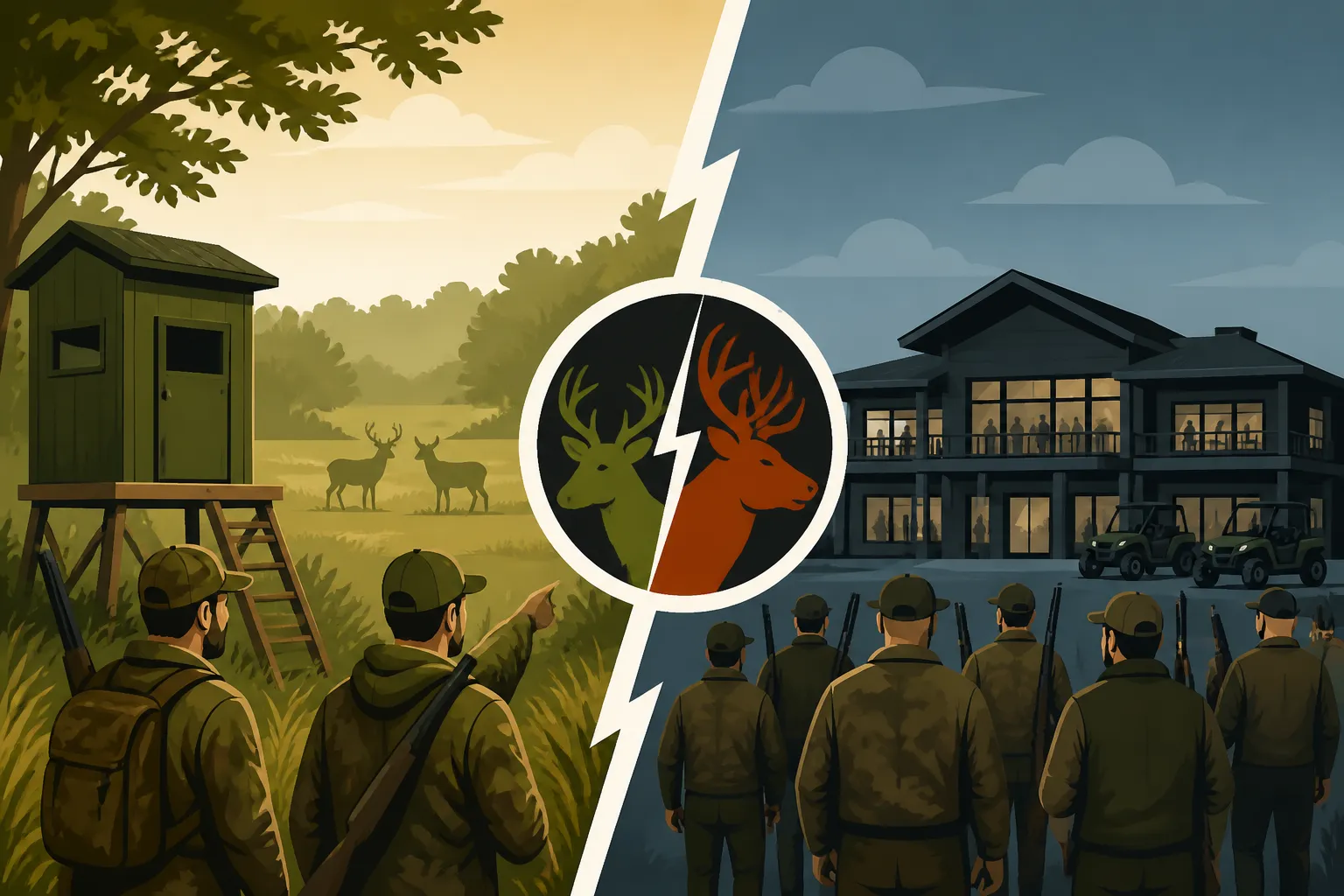
A small syndicate lease is often born from a group of friends or family members who decide to pool their resources and lease a tract of land directly from a landowner. This isn't usually a formal "club" in the traditional sense, but more of a partnership. It’s typically a handful of people, say two to five, who share a common vision for how they want to manage and hunt their leased acreage. The beauty of this arrangement is the level of control and shared understanding you can achieve within a tight-knit group.
The Appeal of Exclusivity and Custom Rules
One of the biggest draws of a small syndicate lease is the exclusivity. Imagine having a piece of Alabama woods or farmland that only you and your closest hunting buddies can access. There are no surprise trucks at your favorite deer stand, no unknown hunters walking through your carefully scouted areas, and no need to worry about the busiest weekends leading to overcrowded fields. This means you can truly implement your own management strategies, from planting specific food plots to setting up stands exactly where you want them, without needing a full club vote. It's a fantastic way to develop a deep, intimate knowledge of a property over time, learning every ridge, creek bottom, and bedding area.
Furthermore, a small syndicate allows for incredibly flexible and customized rules. You and your partners can decide on things like Alabama Deer Reporting Rules, antler point restrictions, guest policies, and even how you'll handle shared chores, all based on mutual agreement. If you want to focus on quality deer management, you can all commit to specific harvest goals. If you prefer to prioritize camaraderie and casual hunts, you can set rules that reflect that. This democratic, yet intimate, approach means less bureaucracy and more time actually hunting the way you want to. You're not beholden to a massive rulebook that might not perfectly align with your hunting philosophy.
The Realities of Shared Responsibility and Cost
While the freedom is appealing, a small syndicate lease also comes with significant responsibilities. Since there are fewer people, the per-person cost for the lease itself, plus any shared expenses like food plot seed, stand maintenance, or trail camera batteries, is often higher. You're dividing a fixed cost by a smaller number of individuals, so each member's financial commitment is naturally greater. This can be a deal-breaker for some, especially if the desired acreage is premium land in a region known for producing big bucks, like the Black Belt. You might find yourselves comparing Alabama Hunting Lease Costs per acre for various regions to ensure everyone is comfortable with the investment.
Beyond the money, there's the workload. All the chores associated with maintaining a hunting lease—mowing shooting lanes, clearing roads, planting food plots, maintaining gates, and making repairs—fall on a smaller group of shoulders. This demands a higher level of commitment and participation from every member. If one person isn't pulling their weight, it can quickly lead to friction and resentment within the group, potentially souring the entire experience. Choosing your syndicate partners carefully, based on not just friendship but also work ethic and shared values, is absolutely critical to the long-term success of such an arrangement.
Exploring Big Hunting Clubs in Alabama
On the other end of the spectrum, big hunting clubs are a long-standing tradition in Alabama. These clubs often manage hundreds, even thousands, of acres of leased land, with memberships ranging from a dozen to fifty or more hunters. They typically have a more formal structure, complete with elected officers, a treasury, scheduled workdays, and a comprehensive set of bylaws. For many, joining a big club is the entry point into private land hunting, offering access and community that might otherwise be out of reach.
Benefits of Affordability and Shared Resources
One of the most attractive aspects of a large hunting club is the significantly lower individual cost. When a large lease fee is divided among many members, the annual dues for each hunter are much more manageable. This affordability opens the door to private land hunting for a wider range of budgets, making it an accessible option for those who can't swing the higher per-person cost of a syndicate lease. It also often includes access to shared resources and infrastructure that would be prohibitively expensive for a smaller group to build or maintain on their own. Think about things like a large clubhouse, skinning shed with a walk-in cooler, extensive road systems, and heavy equipment for habitat management.
Moreover, big clubs offer a wealth of collective knowledge and diverse hunting experience. You'll likely encounter hunters from different backgrounds, with varying specialties—some might be masters of Rattling and Grunting in Alabama, others experts at patterning deer in specific habitat types. This can be an invaluable learning experience, especially for newer hunters or those looking to expand their skills. The shared labor on workdays also means that tasks get done more efficiently. Instead of three guys planting a five-acre food plot, you might have twenty, making quick work of it and leaving more time for socializing and storytelling.
Navigating Rules, Crowds, and Club Politics
While big clubs offer numerous advantages, they also come with a set of potential challenges. The sheer number of members often necessitates a more rigid set of rules and bylaws to ensure safety, fair access, and game management. These rules might dictate everything from Alabama Public Land Antlered-Only Windows to specific stand locations or limitations on hunting certain areas during peak times. You might find yourself wanting to hunt a specific food plot, only to discover it's reserved for a youth hunt or another member has already claimed it for the day. This loss of individual control can be frustrating for hunters accustomed to more autonomy.
Another common concern in larger clubs is the potential for overcrowding and competition, particularly on opening weekends or during the peak of the rut. While clubs often try to space out hunters, the reality is that more members mean more pressure on the land. You might find yourself scouting a promising area, only to find another member has already hung a stand there. This can lead to a less solitary hunting experience, which for some, defeats the purpose of being in the woods. Add to this the sometimes inevitable club politics – disagreements over rules, management decisions, or personalities – and the experience can quickly become less about hunting and more about navigating social dynamics. Keeping lines of communication open and reviewing the club's bylaws, like the Alabama Hunting Club Territory Sizes or guest policies, is crucial before committing.
Key Factors When Choosing Your Alabama Hunting Group
Deciding between a small syndicate lease and a big hunting club boils down to several critical factors that impact your overall hunting experience. It's about aligning your personal priorities with the realities of each option.
Cost, Budget, and Financial Commitment
Let's talk money, because for most of us, that's the bottom line. As we've discussed, syndicate leases typically demand a higher per-person financial output for the lease itself, plus a more direct share of all operational costs. You and your small group are directly responsible for the landowner's lease fee and all maintenance expenses. On the other hand, big clubs dilute these costs across many members, often making them more affordable on an individual basis. However, big clubs might also have additional fees for things like lodging, meal plans if offered, or specific game management programs.
Consider not just the annual dues, but also the hidden costs. For a syndicate, this might mean investing in your own equipment like a tractor or disc for food plots, or having to buy all your own seed and fertilizer. For a big club, while those larger assets might be shared, you could incur costs for mandatory workdays if you can't attend, or fees for specific club events. It's wise to get a detailed breakdown of all potential expenses for both types of arrangements, so there are no surprises. Websites like GoHunt or BookYourHunt might offer resources to help you compare general lease prices in different Alabama regions, giving you a baseline for what to expect.
Land Quality, Management, and Access
The quality and management of the land are paramount to a successful hunting season. Small syndicate leases offer you direct control over habitat management. If you and your partners want to establish Clover Plot at First Light or a specific pattern of controlled burns, you have the autonomy to do so, assuming the landowner approves. This direct involvement can lead to a very rewarding sense of ownership and the ability to tailor the property to your specific hunting goals. However, the size of the lease might be smaller, and you're limited by the acreage you can afford as a small group.
Big clubs, conversely, often lease much larger tracts of land, which can mean more diverse habitat and potentially more game. They might employ professional land managers or have experienced members who lead significant habitat improvement projects across the property. While you might not have direct control over every decision, the collective effort can result in superior overall habitat. The trade-off is often less exclusive access. You'll likely be sharing stand locations and hunting areas with other members. Understanding the club's internal system for stand rotation or area allocation is crucial. Some clubs might designate certain areas as "members only" and others for guests, or have a sign-up sheet for specific stands. Don't be afraid to ask specific questions about Hunting Pressure on Alabama Public Land parallels and how the club manages member access to avoid conflicts.
Social Dynamics and Personal Hunting Style
Ultimately, your hunting experience is deeply influenced by the people you share it with. A small syndicate lease thrives on strong friendships and mutual respect. You're entering into a very close partnership, and harmonious relations are essential. It's perfect for hunters who value intimacy, shared experiences with close friends, and a quiet, uncrowded hunt. If you enjoy the solitude of the woods but also the camaraderie of a few trusted companions at the end of the day, this could be your ideal setup.
Big clubs, however, offer a different kind of social experience. They can be vibrant communities, almost like a second family for some hunters. You'll meet a diverse group of people, share stories around the campfire, and forge new friendships. If you thrive on social interaction, enjoy mentorship opportunities, or simply prefer less direct responsibility for the day-to-day management of the land, a big club might be a better fit. However, you also need to be prepared for the occasional personality clash, differing opinions on hunting ethics, or the social dynamics that can arise in any large group. Be honest with yourself about your tolerance for club meetings, potential disagreements, and sharing "your spot" with others.
| Feature | Small Syndicate Lease | Big Hunting Club |
|---|---|---|
| Membership Size | 2-10 individuals, usually close friends/family | 15-50+ individuals, often diverse membership |
| Cost Per Person | Higher (fewer people splitting lease/expenses) | Lower (more people splitting lease/expenses) |
| Control Over Land | High (direct decision-making for management) | Moderate (decisions made by board/majority vote) |
| Workload | High (fewer people to share all tasks) | Lower (many hands make light work) |
| Exclusivity | Very High (only your small group hunts) | Moderate (shared with many members, potential for crowds) |
| Social Dynamic | Intimate, close-knit, relies on strong friendships | Community-focused, diverse, potential for politics |
| Infrastructure | Minimal, self-funded (stands, simple camp) | Extensive (clubhouse, skinning shed, roads) |
| Flexibility | High (rules customized by group) | Lower (adhere to established bylaws) |
Making the Right Choice for Your Alabama Hunting Journey
Ultimately, the best choice for you hinges on a careful self-assessment of your priorities, your budget, and what you truly seek from your time in the Alabama woods. Don't rush into a decision; take the time to explore all avenues and ask the right questions.
Self-Assessment: What Are Your Priorities?
Before you even start looking at specific leases or clubs, sit down and consider what aspects of hunting are most important to you. Are you primarily a trophy hunter focused on Best Alabama Counties for Big Bucks? Is camaraderie and sharing the experience with friends your top priority? Do you value solitude above all else, cherishing quiet moments in the stand? Or are you a meat hunter, simply looking for consistent opportunities to fill the freezer? Your answers will guide you. If you crave absolute control over a property and a deep connection to the land, a syndicate lease might be ideal. If you're looking for a vibrant social scene, shared resources, and a more affordable entry point, a big club could be your perfect match. Think about your schedule too: how much time can you realistically commit to workdays versus actual hunting?
Due Diligence: Asking the Right Questions
Whether you're vetting a potential syndicate partner or interviewing a hunting club, asking pointed questions is paramount. For a syndicate, discuss expectations for work, finances, and game management upfront. What happens if someone can't make their payment? How will you handle disagreements? For a big club, ask for a copy of their bylaws, understand their Alabama Hunting Club Dues and Costs, and inquire about member turnover. Visit the property if possible, talk to existing members, and see how crowded it feels on a typical weekend.
Don't be shy about asking specific operational questions. For instance, what's their policy on Trail Camera Rules on Alabama Public Land parallels, or private land? How do they handle reporting deer harvests through Game Check? Does the club have a history of EHD Die-Offs in Alabama Deer or other wildlife health issues? Understanding the details helps paint a clearer picture of what you're getting into. Utilizing platforms like BookYourHunt might help you connect with outfitters or landowners who can clarify lease terms, even if you’re not looking for a fully guided experience but just gathering information on typical agreements. You can also research the general area using tools from GoHunt to understand game populations and habitat, which can help inform your discussions.
Flexibility and Growth: Anticipating Future Needs
Your hunting journey isn't static, and neither are your needs or interests. What appeals to you today might change in five or ten years. A small syndicate lease offers incredible flexibility to adapt your management plan or even expand your acreage if the opportunity arises and your group agrees. However, if a member leaves, the financial burden on the remaining individuals increases significantly.
Big clubs offer stability in numbers but less flexibility in individual decision-making. If your hunting philosophy changes, you might find yourself at odds with club rules. On the other hand, the continuous influx of new members and shared knowledge can keep the experience fresh. Consider if the structure allows for growth, like bringing in a youth hunter, or if it caters solely to experienced individuals. The important thing is to choose an arrangement that not only meets your current needs but also allows for some evolution in your hunting career, whatever path that may take in the great state of Alabama.
Disclaimer
This article is for general informational purposes only and does not constitute professional advice. Laws, prices and regulations vary by location and change over time. Consult a qualified professional for guidance on your specific situation.