Alabama’s Five Deer Zones
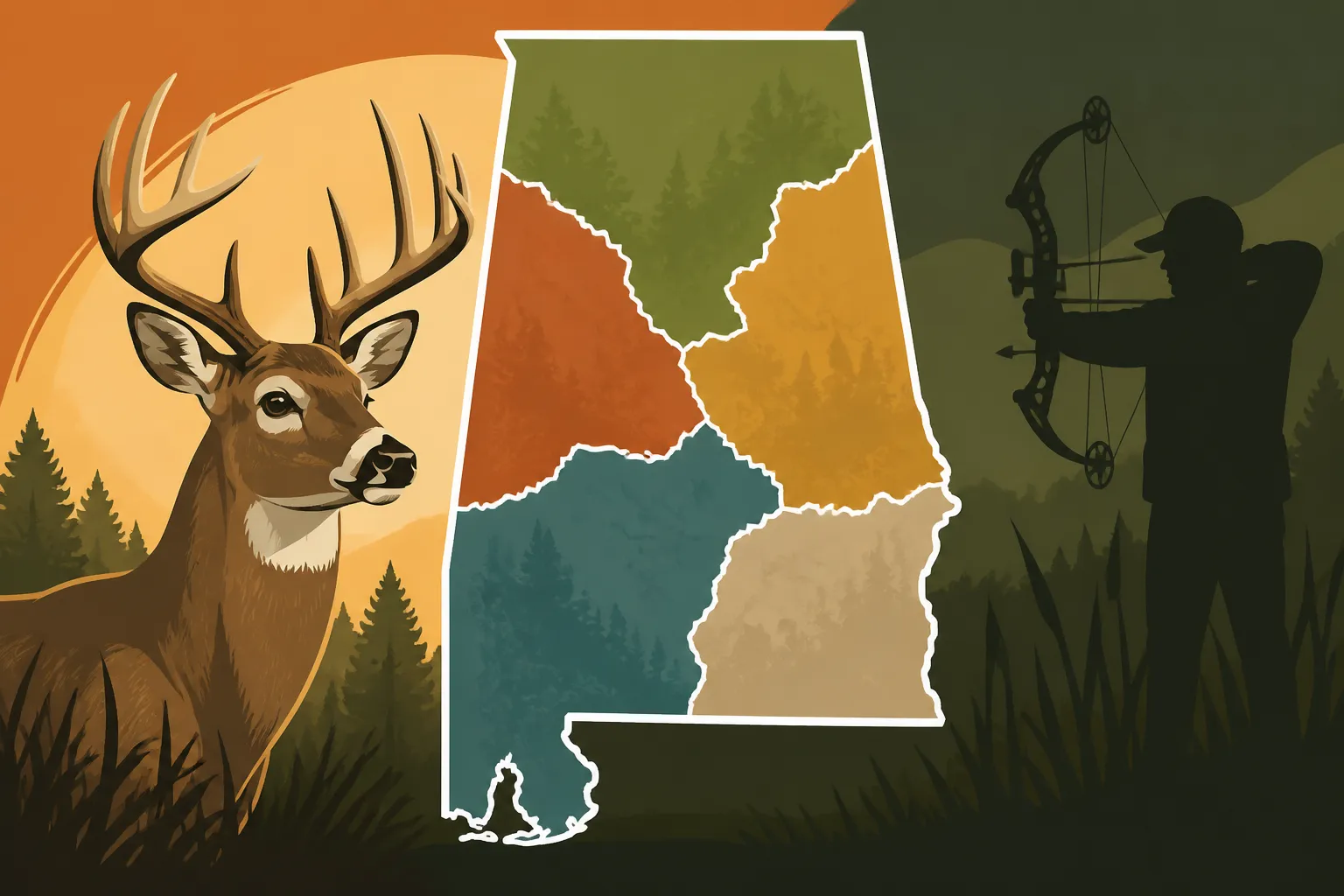
If you've ever felt like you needed a legal degree just to understand Alabama's deer hunting regulations, you're certainly not alone. The state's unique approach to deer season, with its distinct zones and varying dates, can be genuinely confusing, leaving many hunters scratching their heads about where and when they can pursue a whitetail. This comprehensive guide is here to untangle that complexity, breaking down Alabama's five deer zones so you can confidently plan your hunts, understand the specific rules for each region, and make the most of your time in the woods.
Understanding Alabama's Deer Zone System
Navigating the nuances of deer hunting in Alabama begins with understanding its zone system. It's not just about drawing arbitrary lines on a map; these zones are a carefully considered approach to managing a diverse and widespread deer population across a state that boasts incredible ecological variety. Forget the idea of a one-size-fits-all season; Alabama's approach is far more granular, designed to optimize both hunter opportunity and herd health.
Why Alabama Divides the State into Zones
Alabama isn't a homogenous landscape. From the coastal plains and river deltas in the south to the Appalachian foothills and Cumberland Plateau in the north, the habitats, climate, soil types, and agricultural influences vary dramatically. This incredible diversity means that deer herds in different parts of the state face distinct challenges and opportunities, biologically speaking. A robust population in the nutrient-rich Black Belt might tolerate more harvest pressure than a recovering herd in a more marginal habitat. Therefore, a single, statewide season would either over-harvest deer in some areas or under-utilize the resource in others, leading to an imbalance.
Wildlife biologists with the Alabama Department of Conservation and Natural Resources (ADCNR) developed the zone system to fine-tune management strategies. This allows them to respond to specific herd dynamics, habitat conditions, and even local agricultural concerns. For instance, differing soil quality can directly impact the nutrition available to deer, which in turn influences antler growth and overall body size. By creating zones, the ADCNR can implement regulations that address these localized factors, such as adjusting antlerless harvest limits to manage population density where it's highest or allow for growth where it's needed. This localized management helps maintain healthy deer populations while also providing varied hunting experiences across the state.
The zone system also serves to distribute hunting pressure and provide diverse opportunities for hunters. Imagine an individual who wants to chase an early archery season in one part of the state and then transition to a later gun season in another. The zone system facilitates this flexibility. It acknowledges that the "rut," or breeding season, doesn't happen at the exact same time across all 67 counties; it's often later in the northern regions and earlier in the south. These biological differences necessitate varied season dates to maximize hunter success during peak activity. This approach is a cornerstone of effective wildlife management, reflecting a deep understanding of the ecological complexities that shape Alabama's diverse landscapes and its cherished deer resource. You can delve deeper into the overall regulatory framework by exploring "Alabama Deer Season Structure Explained".
How Zones Impact Season Dates and Bag Limits
The most immediate and critical impact of Alabama's deer zones is on your calendar and your deer tags. Each zone has its own specific opening and closing dates for archery, gun, muzzleloader, and even youth seasons. This isn't just a minor tweak; it can mean weeks of difference in when you can legally hunt with a particular weapon. For instance, a zone in the southern part of the state might open for archery in mid-October, while another zone might have a gun season that extends almost a full month later into February. Hunters absolutely must consult the current Alabama Hunting & Fishing Digest to confirm these dates, as they are subject to annual adjustments and can vary significantly from one zone to another. Missing this crucial step could easily lead to a violation.
Beyond just the season timing, zones also dictate the allowable harvest, particularly concerning antlerless deer. Some zones have more generous antlerless bag limits, often reflecting areas where deer populations are robust and management priorities include reducing herd density to minimize crop damage or maintain habitat health. Conversely, other zones might have stricter antlerless limits, aiming to allow for herd growth or to balance buck-to-doe ratios. These antlerless regulations are vital for responsible wildlife management, ensuring the long-term sustainability of the deer population. Understanding "Alabama Gun Season Dates by Zone" is fundamental, but knowing the specific antlerless rules for your chosen zone is equally important.
While the statewide limit of three antlered bucks (as detailed in "Alabama's Three-Buck Season Limit") applies to all hunters, the criteria for those bucks—such as antler point restrictions or minimum main beam length—can sometimes have zone-specific nuances, particularly on public lands or within certain counties. It's an intricate dance of statewide regulations overlayed with localized rules. Imagine trying to plan a deer hunt: you might consider an early bow hunt in Zone A, followed by a later gun hunt during the rut in Zone D. The legality of your harvest, from the time of year to the type of deer, will be entirely different in those two scenarios. This is where tools like GoHunt become incredibly valuable, allowing you to quickly cross-reference regulations, view maps, and stay compliant with the specific rules of the zone you're hunting, avoiding potential missteps that could ruin your season.
Delving into Zone A
Zone A represents a significant portion of Alabama's southern landscape, offering unique hunting opportunities shaped by its distinctive geography and climate. For many, it's the gateway to the state's longer seasons and the promise of a coastal deer hunt. However, its regulations and characteristics demand specific attention to ensure a successful and compliant outing.
Geographic Boundaries and General Characteristics
Zone A generally encompasses the southwestern region of Alabama, extending south of U.S. Highway 80 and west of Interstate 65, reaching all the way down to the Gulf Coast. Prominent counties falling entirely or largely within Zone A include Mobile, Baldwin, Clarke, Washington, Monroe, Escambia, Conecuh, Butler, Choctaw, Wilcox, Dallas, Marengo, and Sumter. This vast area is characterized by its coastal plain topography, featuring expansive pine plantations, significant tracts of bottomland hardwoods, vast river swamps, and, in many areas, a considerable agricultural presence with row crops.
Key geographical features that define Zone A hunting include the Mobile-Tensaw Delta – a sprawling network of rivers, bayous, and marshlands that offers unique, albeit challenging, hunting experiences. Additionally, parts of the Conecuh National Forest provide substantial public land access within this zone. This diverse habitat, ranging from dry upland pines to seasonally flooded river bottoms, dictates different deer behaviors and hunting tactics. Hunters here might find themselves "Hunting Coastal Alabama River Swamps", navigating dense thickets and using boat access to reach prime areas. The sheer density of cover can make deer feel invisible, demanding patience and keen observation.
The deer herd in Zone A is often characterized by high population densities. While individual body sizes might be slightly smaller on average compared to the nutrient-rich Black Belt regions further north, the robust numbers mean ample opportunities for harvest. Antler quality is certainly present, with mature bucks capable of impressive headgear, but they often require dedicated scouting and strategic approaches due to the thick vegetation they call home. The warm, humid climate also means less dramatic seasonal food shifts compared to northern zones, influencing deer movement and rut timing.
Due to the abundance of year-round forage and less severe winters, deer behavior in Zone A can sometimes exhibit a less concentrated or "hard" rut compared to northern areas. The breeding period often stretches over a longer duration, with peaks varying locally. Hunters need to be particularly attuned to fresh sign, scrape lines, and rub lines to pinpoint when bucks are most actively seeking does. This extended rut can make predicting peak activity a bit more art than science, requiring consistent scouting and an understanding of localized deer patterns.
Season Dates and Bag Limits in Zone A
For many Alabama hunters, Zone A is synonymous with an early start to the archery season. Typically, "When Alabama's Archery Season Opens" is in mid-October in Zone A, offering bowhunters the first crack at whitetails. This early opener provides a fantastic opportunity to hunt deer before gun season pressure sets in, often during relatively mild weather. It's a prime time for focusing on food sources like early dropping acorns or green fields, as deer haven't yet been heavily disturbed. The archery season usually runs through mid-February, offering a long and flexible window for bowhunting enthusiasts.
The gun season in Zone A generally kicks off in mid-November and extends through mid-February. This lengthy season provides ample opportunity, encompassing varying stages of the rut across the region. Hunters can expect to encounter deer behavior ranging from post-rut dispersal to late-season feeding patterns. The specific dates for "Opening Weekend Tactics for Zone A Gun Season" are highly anticipated, often bringing a rush of hunters to public and private lands alike. Given the often dense cover, still-hunting, stand hunting over travel corridors, and even deer drives can be effective strategies here, especially in the larger timber blocks.
When it comes to antlerless deer, Zone A often has one of the more generous annual bag limits in the state. Historically, hunters have been allowed to take one antlered buck per day and often an unantlered deer per day during the open season, up to the statewide maximum of three antlered bucks and a set number of unantlered deer for the season. This reflects the ADCNR's management goals to maintain healthy deer densities and minimize potential agricultural damage in this highly productive region. Responsible harvest of does is crucial for balancing the herd, and hunters should feel confident in "Filling Two Unantlered Tags in Zone A" if local conditions warrant.
Youth hunters also benefit from specific opportunities in Zone A, with designated youth gun weekends often preceding the regular gun season opener. These special weekends allow young hunters to experience deer hunting with less competition and often higher success rates. Regardless of the season, all harvests in Zone A (and statewide) must be reported via the Game Check system within 48 hours. This data is critical for biologists to monitor herd health and population trends. Keep a close eye on the annual regulations, as minor changes to season dates or bag limits can occur, making the current digest your most important reference.
Exploring Zone B's Regulations
Zone B holds a revered place in Alabama hunting lore, largely due to its prime location within the state's fabled Black Belt region. This zone offers some of the most sought-after deer hunting experiences, characterized by rich soils, diverse habitats, and a reputation for producing quality deer. However, understanding its specific regulations and geographical nuances is key to maximizing your success.
Geographic Boundaries and Habitat Diversity
Zone B generally covers the central and west-central portions of Alabama. It's broadly situated north of Zone A and south of Zone C, though the boundaries are complex and follow specific roadways. Key counties that are substantially or entirely within Zone B include Tuscaloosa, Pickens, Bibb, Hale, Perry, Autauga, Lowndes, Montgomery, Bullock, Russell, Macon, and Elmore. This region is a true mosaic of landscapes, but its most famous feature is undoubtedly the Black Belt.
The Black Belt is a crescent-shaped region running through central Alabama, renowned for its highly fertile, dark, calcareous soils. These rich soils support lush agricultural fields, particularly corn, soybeans, and peanuts, alongside vast tracts of bottomland hardwoods, pine timber, and rolling uplands. This superior nutritional base is precisely "Why the Black Belt Grows Big Bucks", contributing to larger body weights and impressive antler development. Hunters here will find themselves presented with a variety of settings, from wide-open fields requiring long-range shots to dense creek bottoms perfect for close-quarters encounters.
Beyond the Black Belt, Zone B still maintains a significant portion of diverse habitat. Areas outside the immediate Black Belt still feature productive timberlands and smaller agricultural parcels. The interspersion of these different cover types provides excellent food, water, and bedding for deer, leading to robust populations. Whether you're hunting a massive private lease with managed food plots or a smaller tract of timber near a sprawling farm, the habitat diversity in Zone B creates dynamic and varied hunting scenarios that demand adaptable strategies.
The general health and density of the deer herd in Zone B are often excellent, particularly in the Black Belt. Deer here benefit immensely from the high-quality forage found in agricultural fields and fertile hardwood bottoms. This translates into healthier animals with the potential for larger antlers, making it a destination for many trophy-minded hunters. However, this reputation also means that private land access can be highly sought after and expensive, and public lands within this zone can experience significant hunting pressure. Understanding deer movement patterns between feeding and bedding areas becomes paramount, especially during the peak of the rut.
Season Dates and Bag Limits in Zone B
For bowhunters, the archery season in Zone B typically mirrors Zone A, opening around mid-October and extending into mid-February. This provides a generous window for hunters to pursue deer with stick and string, taking advantage of the relatively mild fall weather and focusing on early season patterns centered around food sources. Hunters often target acorn crops in hardwood bottoms or newly established green fields during this time, before the woods become saturated with gun season activity.
The gun season in Zone B usually commences in mid-November and also runs through mid-February. This long gun season is particularly significant because much of Zone B, especially the Black Belt, experiences its primary rut activity during this period. For hunters eager to experience the excitement of breeding season, focusing on "Hunting the Rut in the Southern Zones" within Zone B can be incredibly rewarding. Bucks are on the move, chasing does, and can be more susceptible to calling tactics, rattling, and cruising patterns. The length of the season allows hunters to target different phases of the rut, from the build-up to the peak, and even the late-season chase.
Similar to Zone A, Zone B generally allows for a relatively generous annual antlerless deer limit. This approach is consistent with managing a healthy and productive deer population, especially in areas with abundant food resources and high deer densities. Hunters are typically allowed to harvest one antlered buck per day (up to the three-buck statewide limit) and one unantlered deer per day during the open season, up to the overall season bag limit for unantlered deer. As always, these specific numbers should be verified in the current year's digest. Adhering to "Alabama Deer Reporting Rules" is a non-negotiable part of the process, ensuring that wildlife managers have accurate data to continue their effective strategies.
While the generous bag limits offer excellent opportunities, hunters must remain vigilant about specific regulations, especially on public lands or certain WMAs within Zone B, which might have additional restrictions or antler point requirements. Planning your hunt around the peak rut in this zone can often yield incredible results, whether you're using a ground blind on a field edge or a treestand overlooking a timber funnel.
Navigating the Nuances of Zone C
Zone C presents a fascinating blend of landscapes and regulatory challenges, making it a unique and sometimes demanding deer hunting experience in Alabama. Spanning from rugged mountainous terrain to the more agricultural Wiregrass region, hunters here must be prepared for diverse conditions and specific antlerless deer management strategies.
Geographic Scope and Unique Landscape Features
Zone C typically covers the east-central and southeastern portions of Alabama. Its irregular boundaries often follow major highways and county lines, encompassing a broad range of ecological systems. Counties substantially within Zone C include Calhoun, Talladega, Clay, Randolph, Chambers, Lee, Russell, Bullock, Pike, Barbour, Henry, Dale, and Geneva. This vast area is truly a study in contrasts, offering hunters a taste of different Alabama terrains.
One of the most prominent features in the northern part of Zone C is the Talladega National Forest. Here, hunters encounter rolling hills that transition into steep, rugged mountains, characterized by extensive pine and hardwood timberland. This challenging topography demands physical endurance and keen woodsmanship. Further south, Zone C extends into the Wiregrass region, which presents a very different landscape. The Wiregrass is typified by vast longleaf pine savannas, commercial pine plantations, and productive agricultural fields, particularly peanuts, cotton, and corn. Hunters here might find themselves "Hunting Wiregrass Region Pine Flats", where visibility is often good but deer can still be masters of evasion.
The deer herd within Zone C is as varied as its geography. In the mountainous northern reaches, deer densities might be lower, and bucks can have extensive home ranges, making them more elusive. Success often hinges on understanding elevation, thermals, and identifying key travel corridors. In contrast, the agricultural lands of the Wiregrass support higher deer densities, with animals benefiting from abundant food sources. However, hunting pressure can be intense, especially on smaller, accessible tracts. This diversity means that what works in one part of Zone C might be completely ineffective just an hour's drive away.
The varied terrain within Zone C necessitates a highly adaptable hunting strategy. Still-hunting through mature timber in the Talladega Mountains requires stealth and patience, a stark contrast to setting up a ground blind on a field edge in the Wiregrass. Hunters must be prepared to adjust their approach based on the specific micro-habitat they are in. Understanding how deer utilize clear-cuts for bedding, how they transition through creek bottoms, or where they gather on newly planted green fields is crucial. This zone truly tests a hunter's ability to "read the land" and adapt their tactics on the fly.
Season Dates and Tighter Antlerless Limits in Zone C
The archery season in Zone C generally aligns with other zones, typically opening in mid-October and extending through mid-February. This long bowhunting season provides ample opportunity to pursue deer during different phases of the fall, from early season feeding patterns to pre-rut activity. Many bowhunters appreciate the chance to be in the woods before the influx of gun hunters, giving them a quieter, more intimate experience.
The gun season in Zone C usually opens in mid-November and often runs through late January or early February, making it slightly shorter than the maximum length in Zones A and B. It's imperative to check the "Alabama Zone C Gun Season Dates" each year, as these dates are precisely defined. This shorter window can sometimes mean hunters need to be more strategic about when they schedule their hunts, especially if they are targeting the rut, which can occur during different periods across the zone's varied topography. While the gun season is still substantial, every day counts, particularly during peak activity periods.
Perhaps the most defining characteristic of deer hunting in Zone C, and a point of frequent discussion among hunters, is its historically tighter antlerless deer limit. Unlike Zones A and B, which often allow for a more generous take of does, Zone C typically imposes stricter limitations on antlerless harvest ("Zone C's Tighter Antlerless Limit"). This management decision is usually rooted in specific herd management goals for the region, which might include encouraging herd growth, improving buck-to-doe ratios, or addressing specific habitat concerns. For hunters accustomed to higher antlerless limits, this restriction requires careful planning and a clear understanding of what constitutes a legal harvest.
Adding another layer of complexity, specific counties within Zone C may have unique antler restrictions. The most notable example is "The Four-Point Rule Exception in Barbour County", which applies only to antlered bucks. This rule requires any antlered buck harvested in Barbour County to have at least four points on one main beam, or an outside spread of at least 13 inches. This kind of hyper-local regulation highlights the importance of not just knowing your zone, but also your specific county, and always consulting the latest ADCNR hunting digest for any and all antler requirements. It's a prime example of how deeply nuanced Alabama's regulations can be, demanding diligent homework from every hunter.
Unpacking Zone D's Specifics
Zone D encompasses much of Alabama's northern reaches, a region defined by its distinct geology and often rugged terrain. For hunters familiar with the flatter, more agricultural lands of the south, Zone D offers a different kind of challenge and a unique set of opportunities, often requiring a more physically demanding approach to deer hunting.
Northern Alabama's Terrain and Deer Habitat
Zone D primarily covers the north-central and northeastern parts of Alabama. This region is heavily influenced by the Appalachian foothills, the Cumberland Plateau, and the Tennessee River Valley. Counties falling largely within Zone D include Cherokee, Etowah, St. Clair, Blount, Marshall, Cullman, Morgan, Madison, and Jackson, extending westward into parts of Lawrence and Winston. This diverse geographical makeup means hunters encounter everything from steep, timbered ridges and deep hollows to productive river bottoms and scattered agricultural fields.
A significant feature defining deer hunting in Zone D is the presence of William B. Bankhead National Forest, encompassing the Sipsey Wilderness. This expansive public land offers vast tracts of mature hardwood and pine forests, rocky outcrops, and numerous creek drainages. Such rugged terrain makes for challenging but rewarding hunting, where understanding the lay of the land, thermals, and subtle deer sign is paramount. Hunters often find themselves "Still-Hunting Bankhead Forest Ridges", patiently traversing the undulating landscape in search of movement. This isn't flat-land hunting; it's an immersive, physical experience.
The habitat in Zone D, with its mix of hardwoods, pines, and scattered agriculture, provides excellent cover and a varied diet for deer. Acorn crops in the fall are critical food sources, and understanding their availability can make or break a hunt. The deer herd here often exhibits robust health, and mature bucks can grow impressive antlers, benefiting from diverse forage and the challenges of the terrain, which can make them harder to pattern. Deer densities can vary, but quality animals are certainly present for the dedicated hunter.
Hunting in Zone D often means adapting to cooler weather earlier in the season and dealing with more significant elevation changes. This impacts deer movement, often causing them to travel along ridges, benches, and creek bottoms. Understanding "Reading a Ridge for North Alabama Deer" becomes a critical skill, as bucks will often use these features as travel corridors, especially during the rut. The extensive public land opportunities also mean a need for strategic planning to avoid other hunters, often by venturing deeper into less accessible areas or hunting during weekdays. GoHunt maps can be a lifesaver here for identifying remote spots and understanding public land boundaries.
Season Dates and Hunting Considerations in Zone D
The archery season in Zone D generally aligns with the rest of the state, typically opening in mid-October and closing in mid-February. This provides a long and flexible period for bowhunters to pursue deer, taking advantage of both early season patterns and later rut activity. Early season success often revolves around locating consistent food sources like white oak acorns or staging areas around agricultural fields. As the season progresses, hunters shift their focus to scrape lines and rub lines as pre-rut and rut activity picks up.
The gun season in Zone D usually begins in mid-November and extends through late January or early February. This timing is particularly significant because the rut in northern Alabama often peaks later than in the southern zones. For many hunters, this period offers prime opportunities for "Hunting the Rut in the Northern Zones", where bucks are actively seeking does and are more vulnerable to traditional hunting tactics like rattling, grunting, and stand hunting over scrapes. The cooler temperatures of late fall and early winter also mean deer are often more active during daylight hours, especially following a cold front.
Regarding antlerless deer, Zone D typically allows for a generous annual harvest, often permitting one unantlered deer per day during the open season, up to the statewide seasonal limit. This liberal approach reflects sound herd management goals for a region that can sustain healthy populations and where responsible doe harvest helps balance the buck-to-doe ratio and manage population growth. As always, hunters must verify these specific limits in the most current ADCNR digest, as regulations can change.
Hunting in Zone D comes with specific considerations due to its terrain and climate. Hunters need to be prepared for colder weather, especially in late season, and understand how wind and thermals behave on ridges and in hollows. Scouting for key terrain features like saddles, funnels, and natural pinch points is crucial for intercepting deer movement. Treestand setups should account for prevailing winds and potential swirling thermals. The expansive nature of public lands like Bankhead National Forest means that walking further away from roads can often lead to less pressured deer and a more fulfilling hunting experience.
The Distinctive Rules of Zone E
Zone E stands apart from the other Alabama deer zones, not just because of its geographical location, but primarily due to its pivotal role in the state's ongoing management of Chronic Wasting Disease (CWD). For hunters in this northwestern corridor, the rules aren't just about seasons and bag limits; they're about disease management and protecting Alabama's entire deer herd.
The Northwestern Corridor and CWD Management
Zone E is specifically located in the far northwestern corner of Alabama, encompassing all of Lauderdale and Colbert counties, and a portion of Franklin County (specifically the area north of Alabama Highway 24). This zone was established as the state's Chronic Wasting Disease (CWD) Management Zone (CMZ) following the detection of CWD in a harvested deer in Lauderdale County in early 2022. This discovery immediately thrust Zone E into a unique regulatory spotlight, making it the most stringent hunting zone in Alabama.
The habitat in Zone E is a blend of agricultural landscapes, mixed pine and hardwood forests, and bottomlands influenced by the Tennessee River and its tributaries. Deer here benefit from diverse food sources and cover, supporting a healthy population. However, the presence of CWD fundamentally alters the management approach. The ADCNR's primary goal in Zone E is to monitor the spread of the disease, gather critical data on its prevalence, and implement strategies to minimize its impact. This means hunting regulations in this zone are designed with disease management as the overriding priority.
The creation of Zone E underscores the serious threat CWD poses to cervid populations. This neurological, always-fatal disease can decimate deer herds, and its management requires proactive and often restrictive measures. Hunters in Zone E are not just participating in a recreational activity; they are frontline partners in a critical wildlife health initiative. Understanding "Alabama's Chronic Wasting Disease Management Zone" is essential for anyone considering hunting in this area, as the rules are designed to protect not just the local herd, but potentially the entire state's deer population.
The historical context of CWD in Alabama is sobering. The detection of the disease, first in Lauderdale County and subsequently in other counties within the CMZ, triggered immediate action from ADCNR. This zone is a direct response to that biological threat. Its existence and the unique rules within it serve as a constant reminder that wildlife management is dynamic and must adapt swiftly to new challenges. For hunters, this means a heightened responsibility to stay informed and comply, knowing their actions contribute to a larger conservation effort.
CWD-Influenced Season Dates and Mandatory Regulations
The season dates in Zone E are subject to specific CWD-related management strategies. While the archery season generally opens in mid-October and runs through mid-February, mirroring other zones, the gun season dates can be influenced by the need to manage deer density. Often, the season is structured to encourage harvest pressure, which is a key tactic in CWD management to reduce deer-to-deer contact rates. Hunters in Zone E are typically allowed to harvest one antlered buck per day (up to the three-buck statewide limit) and one unantlered deer per day during the open season, up to the overall season bag limit. The specific dates and limits must always be checked in the annual ADCNR hunting digest for the most up-to-date information.
The most critical and defining aspect of hunting in Zone E involves mandatory CWD testing and carcass movement restrictions. During specific periods, particularly opening weekends or designated dates, all harvested deer must be brought to an ADCNR CWD sampling station within the zone ("Mandatory CWD Testing Weekends"). Here, biologists collect tissue samples (lymph nodes) to test for the disease. This is not optional; it's a legal requirement that provides vital data on CWD prevalence and spread. Hunters must be prepared for this process and understand the location and operating hours of these stations.
Furthermore, strict carcass movement restrictions are in place for deer harvested within Zone E ("Alabama Carcass Movement Restrictions"). Hunters are generally prohibited from moving whole deer carcasses or certain parts (like brains or spinal columns) out of the CMZ. This is a crucial measure to prevent the inadvertent spread of CWD to other parts of the state. Only deboned meat, clean skull plates (antlers attached), cleaned hides, and finished taxidermy products may be transported out of Zone E. This regulation significantly impacts how hunters process their deer, often necessitating on-site butchering or using local processors within the zone.
Given the evolving nature of CWD management, hunters in Zone E face a higher burden of responsibility to stay informed. Regulations, sampling requirements, and even zone boundaries can change based on disease surveillance data. Therefore, diligently checking the ADCNR website, the Outdoor Alabama app, and the current hunting digest each season is not just advisable—it's absolutely essential. Tools like GoHunt can provide overlays of the CWD Management Zone, helping hunters visualize the boundaries and stay aware of specific regulations tied to this critical wildlife health issue. This proactive engagement is vital for protecting Alabama's deer herd for future generations.
Maximizing Your Hunt Across Alabama's Deer Zones
Regardless of which of Alabama's five deer zones you choose to hunt, success often boils down to preparation, adaptability, and leveraging the resources available to you. Each zone presents its own unique set of challenges and opportunities, but some fundamental principles remain universally effective for increasing your chances of a rewarding experience.
Strategic Scouting and Adaptable Tactics
The foundation of any successful deer hunt in Alabama, across all zones, is thorough and strategic scouting. You can't just show up on opening day and expect to consistently tag out. Before you ever step foot in the woods with a weapon, you need to understand the land, the deer sign, and the deer's patterns. "Scouting Alabama Public Land Before Season" is paramount, whether you're navigating the thick river bottoms of Zone A, the agricultural edges of Zone B, the mountainous terrain of Zone D, or the CWD-managed lands of Zone E. Look for primary food sources like acorn crops, browse lines, and feeding activity in green fields. Identify water sources, dense cover for bedding, and natural funnels or pinch points that deer use for travel.
In today's hunting world, technology is an indispensable ally. Utilize mapping applications like GoHunt, which can provide invaluable aerial imagery, topographic maps, and even land ownership overlays. These tools are fantastic for identifying potential stand locations, planning entry and exit routes, and understanding the contours of the land, especially when "Reading Aerial Photos for Piedmont Deer" or any other complex habitat. They can help you locate those subtle ridges, creek crossings, and changes in timber density that deer frequently exploit. Pre-season digital scouting saves countless hours and foot mileage, allowing you to focus your on-the-ground efforts more efficiently.
Beyond scouting, true success comes from being adaptable with your tactics. What works for a field edge hunt in the Black Belt (Zone B) is unlikely to be effective in the rugged, timbered mountains of Zone D. Learn to "read" the deer's behavior relative to the specific habitat, weather conditions, and hunting pressure in your zone. This might mean patiently still-hunting through a pine plantation, setting up a ground blind overlooking a standing soybean field, or employing calling strategies like "Rattling and Grunting in Alabama" during the rut. Don't be afraid to change your approach if what you're doing isn't producing results. The most successful hunters are those who can quickly adjust to what the deer and the land are telling them.
Perhaps the most critical piece of adaptability involves understanding the rut. While ADCNR provides general estimates for when "Hunting the Rut in the Northern Zones" versus "Hunting the Rut in the Southern Zones" occurs, localized variations are common. Paying attention to scrape activity, rub lines, and deer behavior will help you pinpoint the peak breeding phase in your specific hunting area. This knowledge dictates when to take your vacation days, when to hunt all day, and when to be most aggressive with your calling. Flexibility in your tactics and a deep understanding of deer behavior are your greatest assets, regardless of the zone.
Public Land vs. Private Land Opportunities
Alabama is fortunate to offer a diverse array of public hunting lands, from expansive National Forests like Talladega and Bankhead to numerous Wildlife Management Areas (WMAs). These lands provide critical access for hunters who don't have private land, and each type of public ground often comes with its own set of specific regulations that supplement the overarching zone rules. For example, many WMAs have "Alabama Public Land Antlered-Only Windows" or specific check-in procedures, so it's vital to research the particular WMA you plan to hunt. While challenging, public land hunting can be incredibly rewarding, pushing hunters to develop superior woodsmanship.
However, hunting public land often means dealing with increased hunter pressure. Especially during opening weekends and peak rut times, popular areas can become crowded. Successful public land hunters develop strategies for "Finding Ground Others Walk Past", often by walking further, hunting steep or swampy areas others avoid, or scouting during the off-season to locate remote pockets of deer activity. Accessing these areas sometimes requires more physical effort or specialized gear, but the reward can be less pressured deer. GoHunt's detailed maps with public land layers are excellent for identifying these overlooked spots and planning deep incursions.
For many hunters, private land or hunting leases form the backbone of their season. While still bound by the state's zone regulations, private land offers more control over habitat management, food plot planting, and hunting pressure. This can lead to more consistent opportunities for quality deer. However, securing private land access can be competitive and costly. Hunting clubs are also a popular option, pooling resources for leases and shared management.
Finally, never underestimate the power of simply asking for permission. While large tracts of private land are often leased, many smaller landowners, particularly farmers dealing with deer damage, are open to allowing ethical hunters access. A polite, respectful request, often accompanied by an offer to help with chores or share venison, can open doors to new hunting opportunities. Remember, "Do You Need Written Permission in Alabama?" The answer is generally yes for clarity and protection, always get it in writing. Responsible stewardship, whether on public or private land, is the hallmark of an ethical Alabama hunter.
Essential Compliance and Responsible Hunting
Deer hunting in Alabama is more than just heading to the woods; it's an activity governed by a robust framework of regulations designed to ensure the health of the deer herd, promote hunter safety, and maintain public access. Compliance isn't just about avoiding a ticket; it's about being a responsible steward of a cherished natural resource.
Licensing and Deer Reporting Requirements
Before you ever set foot in the woods, obtaining the correct hunting license is the absolute first step. Alabama offers various license options, catering to residents, non-residents, seniors, and youth. You can conveniently purchase your license online through the Outdoor Alabama website, at local probate offices, or from authorized sporting goods retailers across the state. It's crucial to understand the nuances of "Alabama Resident Hunting License Options" or "Alabama Nonresident Hunting License Options" to ensure you have the appropriate permits for the game you intend to hunt and for the duration of your trip. Always carry proof of your license while afield, whether it's a physical copy or a digital version on your phone.
Once you've successfully harvested a deer, the next critical step is reporting your kill through Alabama's Game Check system. This is not optional; it's a mandatory requirement. "Alabama Deer Reporting Rules" dictate that all harvested deer must be reported within 48 hours of the kill, or prior to processing and prior to leaving the state. You can do this easily via the Outdoor Alabama app on your smartphone, or through the Outdoor Alabama website. The information you provide—date, county of harvest, sex, and antler status—is invaluable to ADCNR wildlife biologists. It provides the essential data points they use to monitor herd health, population trends, harvest success rates, and the effectiveness of current regulations, allowing them to make informed management decisions for future seasons.
Failing to report your harvest via Game Check is considered a violation and can result in significant fines and penalties. This isn't a minor oversight; it's a direct failure to contribute to the scientific management of Alabama's deer herd. Think of Game Check as your direct contribution to conservation, a simple act that helps ensure sustainable hunting opportunities for everyone. If you're using a mapping or hunting app like GoHunt, it often has features or reminders that can help streamline your compliance, ensuring you don't forget this vital step amidst the excitement of a successful hunt.
Beyond the initial reporting, hunters should also be aware of any additional tagging requirements or specific instructions that might be unique to certain public lands or special hunts. While Alabama doesn't utilize a physical tag system for deer like some states, the Game Check process serves the same purpose of accountability. Always double-check the current hunting digest for any new or updated regulations before heading afield, especially if you're hunting in a new zone or on a WMA you haven't visited before.
Adapting to CWD and Other Health Advisories
While Zone E is specifically designated as the Chronic Wasting Disease (CWD) Management Zone, every hunter in Alabama, regardless of which zone they primarily hunt, should be aware of CWD and its implications. "Alabama's Chronic Wasting Disease Management Zone" is a critical area, but the disease has the potential to spread, making statewide awareness and vigilance essential. CWD is a serious, fatal neurological disease in deer, and while it's primarily concentrated in specific northwestern counties, understanding how to recognize and report sick animals is a responsibility for all.
Hunters play a vital role in early detection and containment efforts. You should always be on the lookout for deer exhibiting symptoms that could indicate CWD or other wildlife diseases. These symptoms include extreme emaciation, abnormal behavior, drooling, head tremors, or an overall sickly appearance. If you encounter a deer displaying any of these signs, do not harvest it. Instead, immediately report your sighting to the ADCNR Wildlife and Freshwater Fisheries Division. Your prompt reporting can help biologists track the disease and prevent its further spread.
Beyond CWD, general safe handling practices for deer meat are always recommended. Use gloves when field dressing, minimize contact with brain or spinal cord tissues, and thoroughly clean your knives and equipment. While CWD has not been found to transmit to humans, it's always prudent to avoid consuming meat from any animal that appeared visibly sick. Consider processing your deer quickly, especially in warm Alabama weather, and cool the meat properly to ensure its quality and safety.
The landscape of wildlife management is constantly evolving, with new challenges like CWD emerging. Hunter cooperation is the single most important factor in mitigating the spread of such diseases and protecting Alabama's deer herd for the long term. Staying informed through official ADCNR channels, attending public meetings, and adapting to new regulations are all crucial aspects of responsible hunting. Your commitment to compliance and vigilance ensures that the tradition of deer hunting can continue to thrive in Alabama for generations to come.
Deer Zone Quick Reference
Here's a simplified overview of Alabama's five deer zones to help you quickly grasp the primary differences. Always consult the current Alabama Department of Conservation and Natural Resources (ADCNR) Hunting and Fishing Digest for the most accurate and up-to-date regulations.
| Deer Zone | General Location (Counties) | Typical Archery Season (Dates) | Typical Gun Season (Dates) | Annual Antlerless Deer Limit | Key Characteristics & Considerations |
|---|---|---|---|---|---|
| Zone A | Southwestern AL (Mobile, Baldwin, Clarke, Washington) | Mid-Oct to Feb 10 | Mid-Nov to Feb 10 | Generous (1 per day) | Coastal Plain, river swamps, often earlier rut. High deer densities. |
| Zone B | West-Central AL (Tuscaloosa, Perry, Hale, Autauga) | Mid-Oct to Feb 10 | Mid-Nov to Feb 10 | Generous (1 per day) | Black Belt region, fertile soils, good quality deer. Often primary rut peak. |
| Zone C | East-Central/Southeastern AL (Talladega, Pike, Barbour) | Mid-Oct to Feb 10 | Mid-Nov to late Jan/early Feb | More Restricted (e.g., specific windows) | Varied terrain: mountains (Talladega) to Wiregrass. Barbour County has 4-point rule exception. |
| Zone D | North-Central/Northeastern AL (Jackson, Madison, Marshall) | Mid-Oct to Feb 10 | Mid-Nov to late Jan/early Feb | Generous (1 per day) | Appalachian foothills, mountains (Bankhead NF). Often later rut peak. Cooler temperatures. |
| Zone E | Northwestern AL (Lauderdale, Colbert, N. Franklin) | Mid-Oct to Feb 10 | Mid-Nov to Feb 10 | Generous (1 per day) | CWD Management Zone. Mandatory testing & carcass movement restrictions apply. High vigilance needed. |
Disclaimer: This guide is intended for informational purposes only and should not be considered legal advice. Hunting regulations in Alabama are subject to change. Always consult the official Alabama Department of Conservation and Natural Resources (ADCNR) Hunting and Fishing Digest for the current year, and any local ordinances, before participating in any hunting activities. Hunters are solely responsible for knowing and adhering to all applicable laws and regulations.