Reading Alabama Mud for Fresh Deer Movement
It's incredibly frustrating to spend hours scouting a promising area in Alabama, only to find deer sign that leaves you guessing. You see tracks, rubs, and even droppings, but the million-dollar question always looms: how old is this sign? Without a clear answer, you're left wondering if you're hunting a ghost or a current resident. This guide is all about equipping you with the know-how to read Alabama mud like an open book, pinpointing fresh deer movement and vastly improving your chances of being in the right place at the right time.
Why Mud is the Ultimate Time-Stamp for Deer Activity
Think about it: most deer sign you find in the woods – a rub on a tree, a scrape on dry dirt, even a shed antler – can be days, weeks, or even months old. It's like finding an old newspaper; interesting, but not exactly breaking news. Mud, however, is different. It's a natural canvas that holds impressions with a remarkable, albeit fleeting, precision, giving you a real-time snapshot of recent deer activity that no other medium can quite match.
The Ephemeral Nature of Fresh Tracks
Unlike a deeply rubbed sapling that might show wear from weeks of buck activity, or a scrape that could be visited intermittently over several days, a fresh track in soft mud tells a story that's often just hours, or even minutes, old. The crispness of the edges, the absence of any debris, the presence of residual moisture – these are all indicators that a deer passed through very recently. This ephemeral quality is exactly why mud is so valuable; it's a living diary of the woods, constantly being written and rewritten by the elements and the animals themselves.
Consider a situation where you're scouting a creek bottom after a recent rain. You might find a series of tracks leading into a thicket. If those track edges are sharp enough to cut paper, and you can still see water seeping into the impression from your boot next to it, you know a deer just went through there. Contrast that with tracks in dry pine straw or hard-packed dirt that can linger for days, slowly degrading. You could spend all day still-hunting Bankhead Forest ridges, following tracks that lead nowhere, simply because you can't be sure if they were made last night or last week. Learning to discern this freshness in mud allows you to prioritize areas with immediate activity, saving you countless hours.
What Makes Mud Different from Dry Ground
The unique properties of mud make it an unparalleled tracker's tool. When deer step on dry leaves or hard dirt, they often leave scuff marks or shallow depressions that are hard to interpret. Rain, wind, and other animals quickly obscure these faint indicators. Mud, on the other hand, captures the full detail of a hoof print – the specific shape, the depth, even the subtle impression of dew claws on a larger animal moving quickly or across soft, wet ground.
The moisture content in mud is also a key factor. Fresh mud prints will often have a sheen of moisture within the impression itself, or a slightly darker color compared to the surrounding, drier mud. As the print ages, the moisture evaporates, the edges begin to lose their sharpness, and the impression might start to crack or crumble, especially if the mud is clay-heavy. This chemical and physical change over time is your greatest ally. In the red clay soils common across much of Alabama, especially in the Piedmont region, these details are exceptionally clear, making it a prime location to hone your mud-reading skills.
Decoding Different Mud Prints and Their Stories
The real art of reading mud isn't just knowing it's fresh, but understanding what kind of fresh activity you're looking at. Different types of deer sign leave different impressions, and learning to differentiate them can give you crucial insights into a deer's behavior, size, and even its state of mind.
Identifying Fresh Hoof Prints
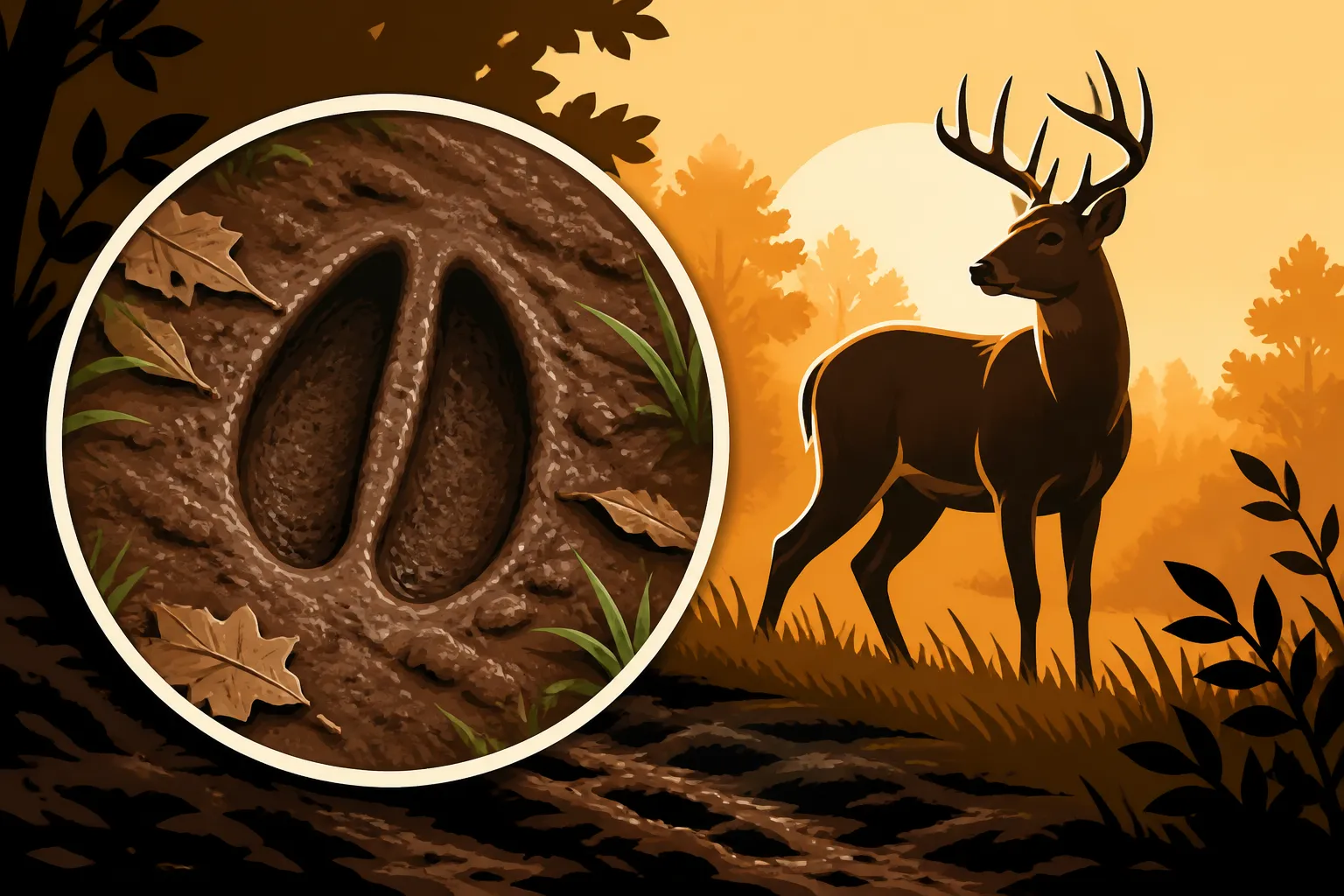
When you're looking for hoof prints, the absolute freshest ones are like a perfect stamp. The edges will be incredibly sharp and well-defined, almost as if they were pressed just moments ago. There won't be any loose dirt or debris in the impression, and if the mud is really wet, you might even see a bit of water slowly seeping into the deepest parts of the track. If you're in an area with particularly fine, silty mud, you might even notice the texture of the deer's hoof pad.
As a print ages, those sharp edges begin to soften. The sun and wind will start to dry the mud, causing tiny cracks to form, particularly around the perimeter. If it rains again, the print might fill with water or become distorted, losing its original clarity. Pay close attention to the depth; a heavy, older buck moving slowly will leave a deeper, wider print than a light doe. The presence of dew claw marks, those two smaller prints behind the main hoof, usually indicates a heavier deer, or one that was moving at a trot or a run, digging in for traction in the soft ground. This is especially common in the rich, loamy soils found in Alabama's Black Belt, where bigger deer often leave very distinct marks.
Reading Rubs and Scrapes in Muddy Areas
While rubs are typically made on trees, and scrapes are often pawed into drier soil, you'll sometimes find excellent examples of both in muddy areas, especially along creek banks or the edges of flooded timber. A buck might rub a small sapling right at the edge of a muddy trail, leaving not only bark damage but also a distinct muddy track leading directly to or from the rub. A fresh rub in a muddy area is particularly exciting because it combines two excellent time-stamps: the fresh damage to the tree and the fresh track.
Scrapes, which are typically areas where a buck paws away leaves and debris to expose bare earth, can be even more telling in mud. If you find a scrape where the exposed mud is still moist and slick, with very distinct hoof impressions around the perimeter and a strong smell, you know that buck was there very recently. Often, you'll see a prominent "overhanging branch" above the scrape that the buck has chewed on or rubbed its pre-orbital glands against. If that branch also has fresh, damp mud smears on it, you've hit the jackpot. This combination tells you he was actively working the scrape, likely within hours. These are the kinds of spots you'll want to focus on when hunting the rut in the southern zones.
Interpreting Droppings and Beds in Soft Ground
Even droppings can offer clues in muddy conditions. Fresh deer droppings are usually soft, moist, and dark, often clumped together, especially if the deer has been eating green forage. As they age, they dry out, become harder, and lighten in color, often separating into individual pellets. If you find a pile of droppings pressed into soft mud, still moist and shiny, it's a very clear indicator of recent presence. If a light rain has started to wash them away or break them apart, they're likely older.
Finding a bed in soft, muddy ground is rarer, as deer prefer dry, elevated spots. However, during periods of heavy rain or in low-lying, swampy areas, they might bed down wherever they can find a bit of cover. A fresh bed in mud will show a distinct impression of the deer's body, and the mud within the bed might still be visibly compressed and darker than the surrounding soil, possibly still retaining some body heat if you catch it quickly enough. The edges will be sharp, and there won't be any leaves or debris blown into the depression. If the edges are rounded and the mud is dry or cracking, it's an older bed. These observations are critical when you're trying to figure out where Bankhead Forest bucks bed, especially after a period of wet weather.
Factors Affecting Mud Print Longevity and Clarity
While mud is an excellent indicator, it's not foolproof. Several environmental factors play a huge role in how long a print remains fresh and how clear it stays. Understanding these variables allows you to fine-tune your interpretation and avoid misreading the sign.
Rainfall and Humidity
This might seem obvious, but the amount and timing of rainfall directly impact mud prints. A heavy downpour will wash away or significantly obscure older prints, essentially "resetting" the canvas. This is a blessing and a curse. It means after a hard rain, any prints you find are guaranteed to be fresh, but it also means all previous sign is gone. A light drizzle, however, might just soften the edges of older prints, making them look fresher than they are, or simply make the mud more pliable for new prints to be laid down.
Humidity levels also play a role. In high humidity, common in Alabama's climate, mud dries slower, meaning prints can remain "fresh-looking" for a longer period. Conversely, low humidity and strong winds will accelerate drying, causing prints to age quickly. It's a constant battle between moisture and evaporation, and learning to gauge these conditions will give you an edge. Checking a local weather app is crucial for understanding the current and historical conditions that influence these prints.
Soil Composition
Not all mud is created equal. The type of soil determines how well it holds an impression and how quickly it dries or degrades. Clay-rich soils, prevalent in much of Alabama, tend to hold very sharp, distinct prints that can last longer once dried, sometimes hardening like concrete. However, they also crack significantly as they dry, which can make a print look older than it is if you're not careful. Sandy or silty soils, often found near rivers or in bottomland hardwoods, will give very crisp prints initially, but they can slump or wash out more easily with subsequent rain or heavy foot traffic.
Knowing the soil composition of your hunting grounds is key. For instance, in the rich, black dirt of the Black Belt, prints can be incredibly clear and last a good while. However, in the sandy loams of the Wiregrass region in South Alabama, prints might be less defined and degrade quicker with wind and sun. Always consider the ground you're walking on when assessing print age. This local knowledge, combined with tools like GoHunt that can show you topographical and soil maps, can be invaluable.
Temperature Fluctuations
Temperature also influences how quickly mud prints age. Warmer temperatures accelerate evaporation, causing prints to dry out and lose their sharpness more rapidly. On a hot, sunny day, a print might look hours old in just a couple of hours. Cooler temperatures, especially those below freezing, can preserve prints almost indefinitely if the mud freezes solid. This is rare in much of Alabama, but it can happen in the northern zones during a cold snap.
During the warmer parts of Alabama's long archery season, you'll need to be extra vigilant about assessing print age quickly, as the sun and heat will quickly diminish their clarity. If you're scouting in the cooler late season, or after a cold front, prints will retain their detail for much longer, giving you a wider window to analyze them. Understanding how wind and thermals on a Piedmont ridge can affect drying patterns further refines your ability to judge print freshness.
Integrating Mud Sign into Your Alabama Scouting Strategy
Finding fresh mud sign is one thing; effectively incorporating it into your overall hunting plan is another. It's about knowing where to look, when to look, and how to use that information to make smarter decisions in the field.
Targeting Creek Bottoms and Low-Lying Areas
The most obvious places to find prime mud sign are, of course, where water naturally collects and flows. Creek bottoms, drainage ditches, low-lying fields, and swampy areas are absolute goldmines. Deer, like all animals, need water, and these moist areas often provide not only drinking opportunities but also lush browse and cover. Trails leading into and out of these areas, especially after a rain, will be littered with tracks.
When scouting these spots, don't just walk down the main trail. Veer off into the thicker stuff, check where small feeder creeks enter larger ones, and look for pinch points or funnels between two creek bottoms. Deer often use these natural corridors to move from bedding to feeding areas. If you find a heavily used trail that's consistently muddy, with fresh tracks, it's a prime location for a stand or ground blind setup. Remember to think about entry routes through standing peanuts or a standing soybean field, as these often lead to muddy crossings.
Using Technology to Track Weather and Mud Conditions
In today's hunting world, we have incredible tools at our fingertips to help us predict and understand mud conditions. Weather apps provide real-time radar and historical data, so you can see when the last significant rain fell and how much. This allows you to calibrate your mud-reading skills. If it rained heavily six hours ago, and you find crisp tracks, you know that deer was there within that six-hour window.
Mapping apps like GoHunt or the Outdoor Alabama app are invaluable. They can show you topography, identifying low spots, creek beds, and potential water crossings before you even step foot in the woods. By cross-referencing recent rainfall with the terrain features on your map, you can predict where the freshest mud sign will be. Some advanced mapping tools even offer soil type overlays, helping you understand how quickly mud will dry and how well it will hold a print in different areas of your hunting land.
When to Prioritize Muddy Scouting
While mud sign is always useful, there are specific times and conditions when it becomes absolutely critical to your scouting success. The most obvious is right after a significant rainfall. This is your "reset button" for the woods. Every track you find after the rain clears is fresh. This makes post-rain scouting one of the most productive times to locate current deer movement patterns.
Another prime time is during the rut. Bucks are on the move, covering ground, checking scrape lines along a logging road, and chasing does. They're less cautious and more prone to leaving distinct, fresh sign in muddy areas as they travel. Focusing on muddy trails and creek crossings during this period, especially when the Alabama rut peaks by zone, can put you directly on the path of a cruising buck. Even late-season food sources for Alabama whitetails, like remaining acorns or winter greens, can be magnets for deer activity, and trails to these spots often cross wet areas, making mud scouting beneficial even then.
| Mud Sign Characteristic | Indicates Freshness (0-6 hours) | Indicates Recent (6-24 hours) | Indicates Older (24+ hours) |
|---|---|---|---|
| Hoof Print Edges | Razor-sharp, distinct, vertical | Slightly rounded, still clear | Rounded, crumbling, indistinct |
| Moisture in Print | Visible moisture, dark, slick | Dull, darker than surrounding mud | Dry, cracking, same color as surroundings |
| Mud Condition | Soft, pliable, easily disturbed | Firming up, slight crust | Hard, brittle, deeply cracked |
| Debris in Print | None present | Minimal, possibly small leaves | Leaves, twigs, water, insects |
| Dew Claw Marks | Very sharp, often present with clear hooves | Faint, possibly distorted | Absent or barely visible |
| Odor (Scrapes) | Strong, musky, distinct buck odor | Fading, subtle buck odor | No distinct odor |
| Droppings | Soft, moist, dark, clumped | Firm, darker, separated | Hard, light brown, scattered |
| Vegetation Disturbance | Still bent, vibrant, fresh breakage | Wilting, dull green, some drying | Dried, broken, discolored |
This table serves as a quick reference, but remember, every situation is unique. The more time you spend in the Alabama woods, observing and comparing, the better you'll become at this vital skill. Just like learning to call an Alabama gobbler off the roost or mastering deer drives with three or four hunters, reading mud is a skill that comes with practice and keen observation.
Disclaimer
Hunting is an inherently dangerous activity. Always prioritize safety, understand and follow all Alabama Department of Conservation and Natural Resources (ADCNR) regulations, and obtain proper licenses and permits before heading into the field. This guide provides general information and should not replace professional guidance or personal judgment regarding safe hunting practices. Be aware of your surroundings, hunt with a partner if possible, and always let someone know your hunting plans and expected return time.